Birol warned that the fallout from the energy shock is now spilling over into the broader global economy.
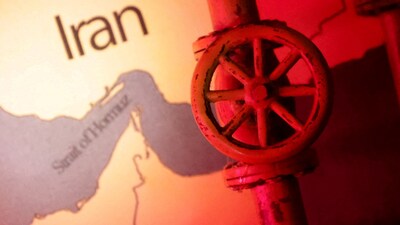
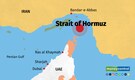
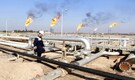
The International Energy Agency says it can release more oil reserves if needed after the Iran war disrupted supplies through the Strait of Hormuz and pushed global crude prices sharply higher.
“The oil market challenges we are facing are unprecedented in scale,” IEA Executive Director Fatih Birol Wednesday said in a statement.
Amid worsening climate pressures, 2025 delivered quiet wins from surging renewables to returning wildlife, landmark legal shifts and indigenous gains, showing unexpected progress that often escaped headlines worldwide this year.
The outlook means that companies will need to tap reserves that haven’t yet been discovered, unless demand shifts away from fossil fuels
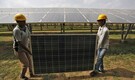
India looks set to reach its 2030 target of 50% non-fossil generation capacity ahead of schedule. There has been a surge in investment in renewables, led by solar PV, IEA has said in a report
Clean energy technologies, including renewables, nuclear, and energy storage, are set to attract $2.2 trillion in investment, twice the amount expected for fossil fuels, the IEA
Rapid urbanisation and industrialisation is set to transform the energy market in the world's fifth-largest economy and drive gas demand growth through the end of the decade and possibly beyond that, the IEA said in a report.
The IEA noted that China's contribution to the global increase in oil demand is set to weaken from 79% in 2023 to 45% in 2024 and 27% next year
From now till 2030, India will be the largest source of oil demand growth globally, says Toril Bosoni. As a big crude oil buyer, India can certainly do term deals at better terms and better prices, she said.
This was largely driven by greater awareness about climate change and the need to address it, as well as falling cost of generating renewable energy.
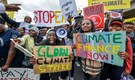
IEA Chief Fatih Birol singled out the US and China, the world's two biggest emitters, urging them to come together at the crunch COP28 climate talks in Dubai in November-December and "leave aside their tensions" -- both geopolitical and economic -- to seek joint or at least common positions on key issues.