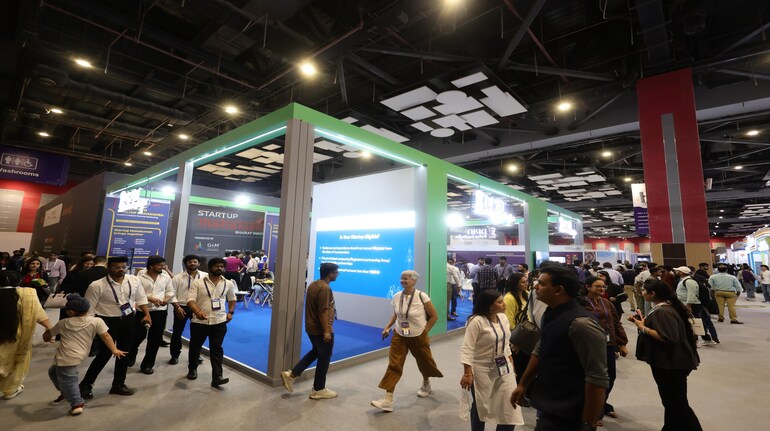
At hall 14 inside Bharat Mandapam, a crowd had gathered—not for a celebrity or a minister, but to gawk at a flying taxi prototype. Built by Sarla Aviation, the machine became a favourite for selfies.
Not far from there, a defence tech startup founder was demoing his battlefield-grade drone to a DRDO (Defence Research and Development Organisation) official. In another hall, a medtech startup was explaining how it’s building artificial skin with 3D bioprinters, which are specialised 3D printers that use living cells and biomaterials (called "bioinks") to create 3D structures like tissues. A person from a Gujarat-based firm came up to them and said, “We do something similar, but with bones. Let us chat!”
These little moments—unexpected, serendipitous, sometimes chaotic—made up the mood at this year’s startup shebang.
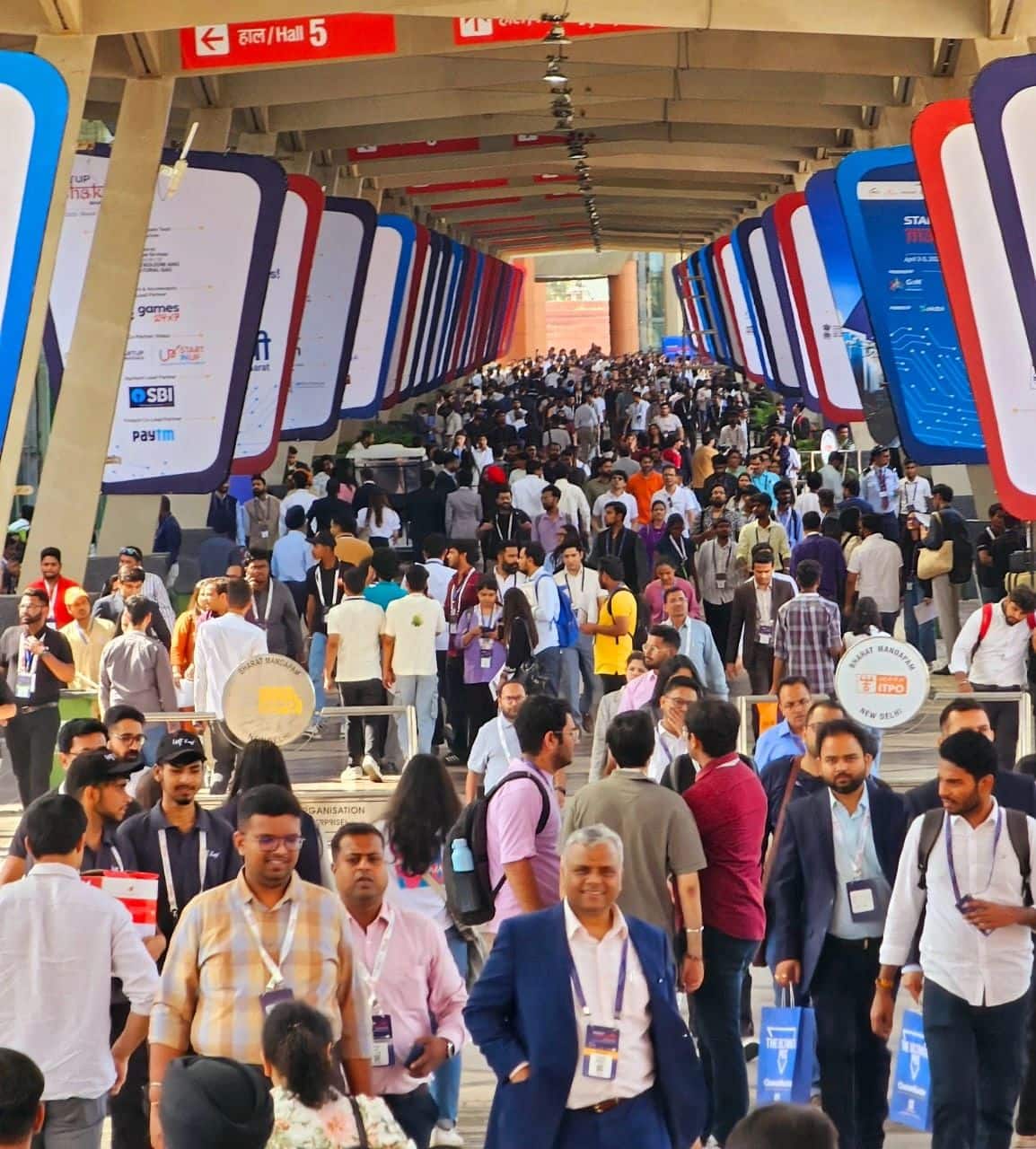
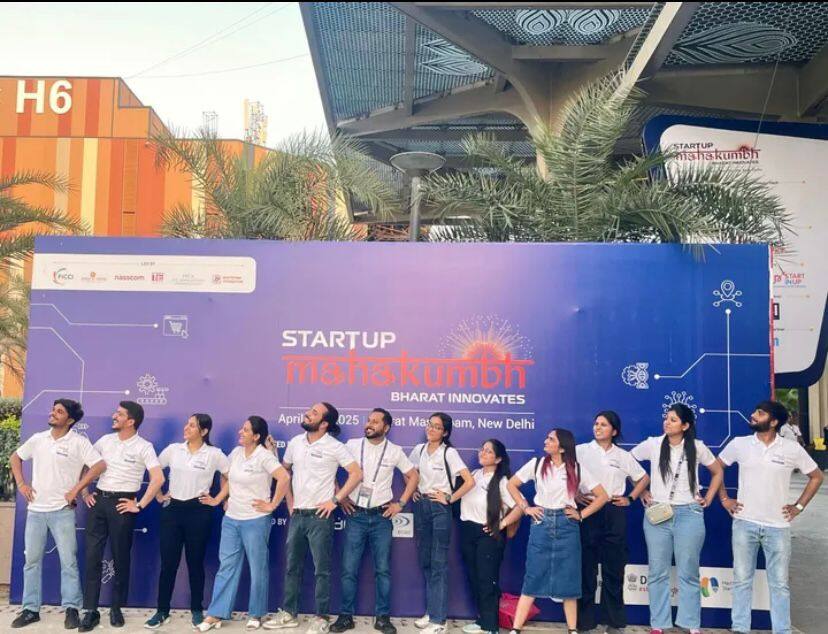
With 'Startup India @ 2047—Unfolding the Bharat Story' as its theme, this year’s Startup Mahakumbh featured 3,000 startups and included delegates from 50+ countries among its attendees.
The venue featured 10 thematic pavilions focussed on key sectors like AI, deeptech, health and biotech, agritech, deftech, gaming, and more, spread across six different halls, featuring fireside chats, panel discussions, etc.
The three day-event, supported by the Department for Promotion of Industry and Internal Trade (DPIIT) and led by several industry bodies, was curated by an organising committee featuring prominent leaders from India’s startup ecosystem.

Whither, unicorn buzz?
Unlike previous years, there were no unicorn roll calls or celebrity valuations. This time, the buzzword was “deeptech”—echoing across speeches, panels, and pavilions. From AI-built robotics to 3D manufacturing and indigenous drone innovation, the Mahakumbh leaned into cutting edge tech.
“This year’s Mahakumbh felt more like a build-it-ground-up moment,” said one founder working in computer vision for rural supply chains. “Since it’s the second edition, it was less about established startups and more about early and pre-seed stage businesses, besides product-led small ventures.”
That sentiment was echoed by Sanjay Nayar, Founder of Sorin Investments and President of Assocham, during a presser before the main event: “We should not talk about how many unicorns we have today but rather talk about how do we make startups get ready for the new age, which includes AI, defence, and so on.''
Of course, that didn’t mean the event was all serious. There was much excitement any time Aman Gupta (Founder, Boat), Bhuvan Bam (entrepreneur, actor, and creator), or CarryMinati (digital creator and gaming influencer) walked by. A student-heavy crowd packed their sessions. Security had to stop entry into the halls at one point.
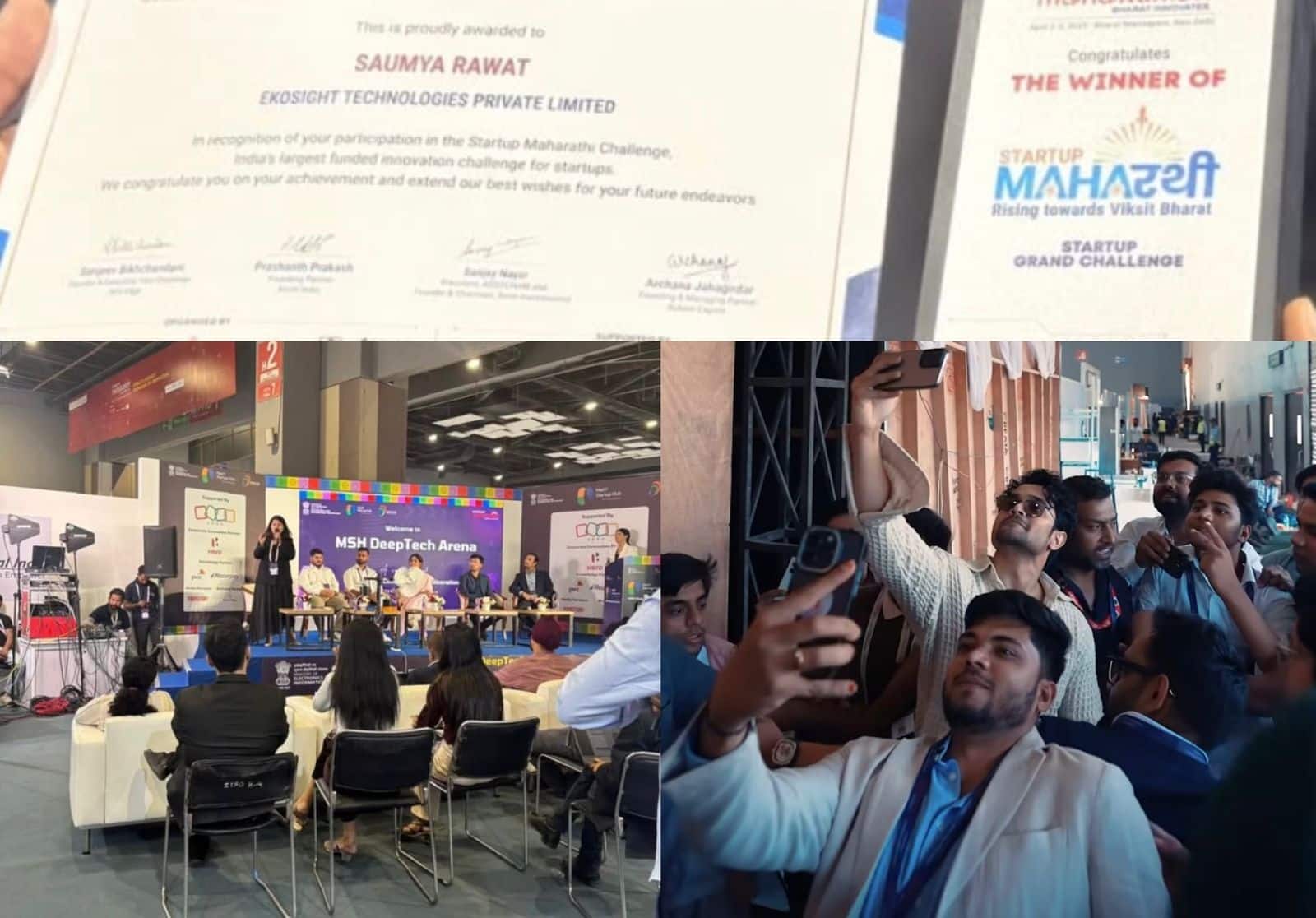
“Mai bhi ek startup hoon—views kamaata hoon (I'm also a startup, I generate views),” quipped a person attending a session.
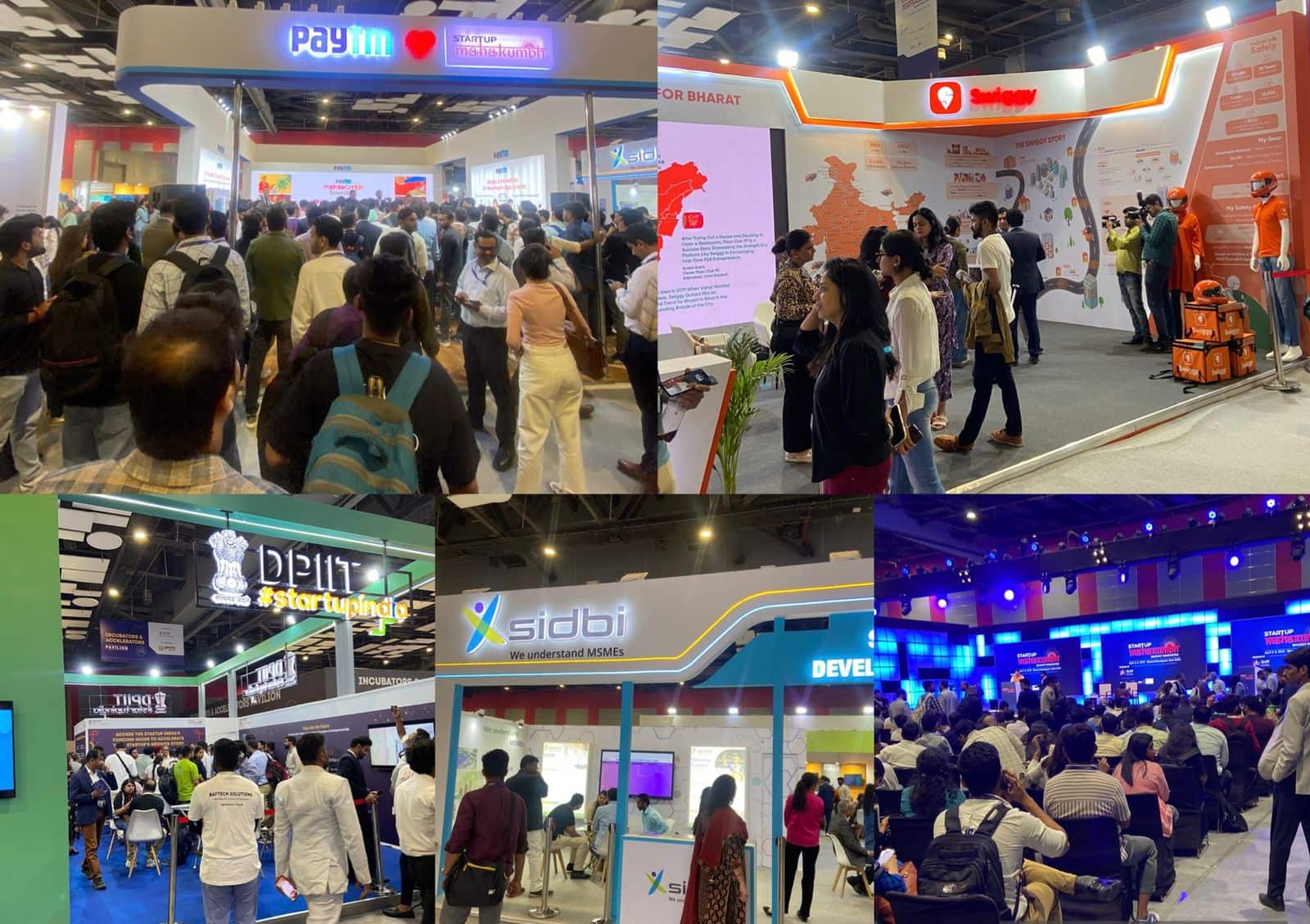
Meanwhile, Vijay Shekhar Sharma dropped by the Paytm booth, chatted with attendees, and launched a product on the floor. “He really hyped up the crowd,” said a fellow founder . “It was old-school startup energy.”
Ministerial admonition
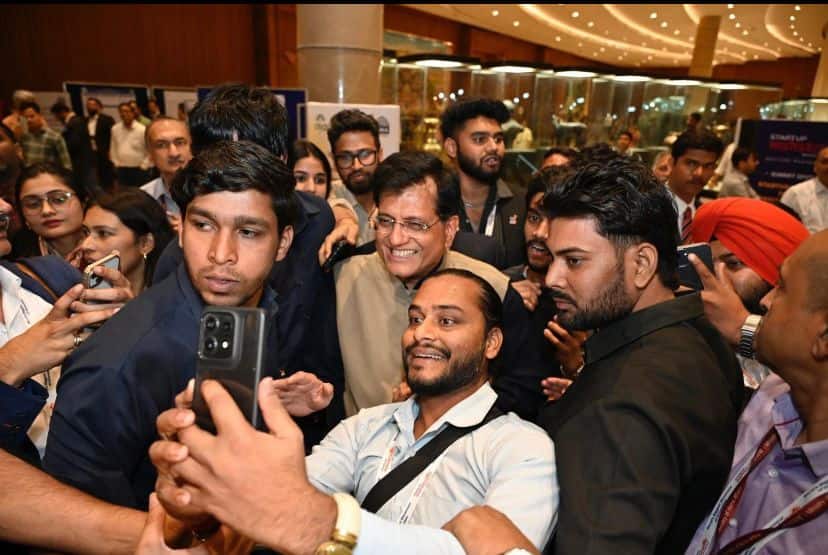
Union Minister of Commerce and Industry, Piyush Goyal, was present on all three days. Addressing a group of founders, he questioned whether the country was content with startups generating low-paying gig jobs rather than striving for technological progress. “What are Indian startups of today—we are focussed on food delivery apps, turning unemployed youth into cheap labour so the rich can get their meals without moving out of their house,” he said, pointing to a slide comparing India’s startup ecosystem with China’s.
“Against that, what do Chinese startups do—work on developing electric mobility, battery technology, and with that they are dominating the electric mobility ecosystem today,'' he added.
The comment went viral. Founders reacted swiftly, some with disappointment, others with defiance. “We expected encouragement, not generalisation,” one early-stage founder said. The larger sentiment at the event, however, wasn’t one of outrage. It was somewhere between acknowledgment and pushback.
"That comment aside, I think he was actually more involved this year. He was everywhere," said a startup mentor who spotted Goyal at multiple halls, engaging with almost everyone.
Tribal and global flavour
One of the more thoughtfully curated corners of the event was the tribal startup arena — the “Dharti Aaba Tribepreneurs 2025” — that showcased 45 tribal ventures involved in fields such as natural farming, bamboo handicrafts, climate resilience tools, and more. Officials said this was one of the biggest tribal entrepreneur delegations at a national startup event.
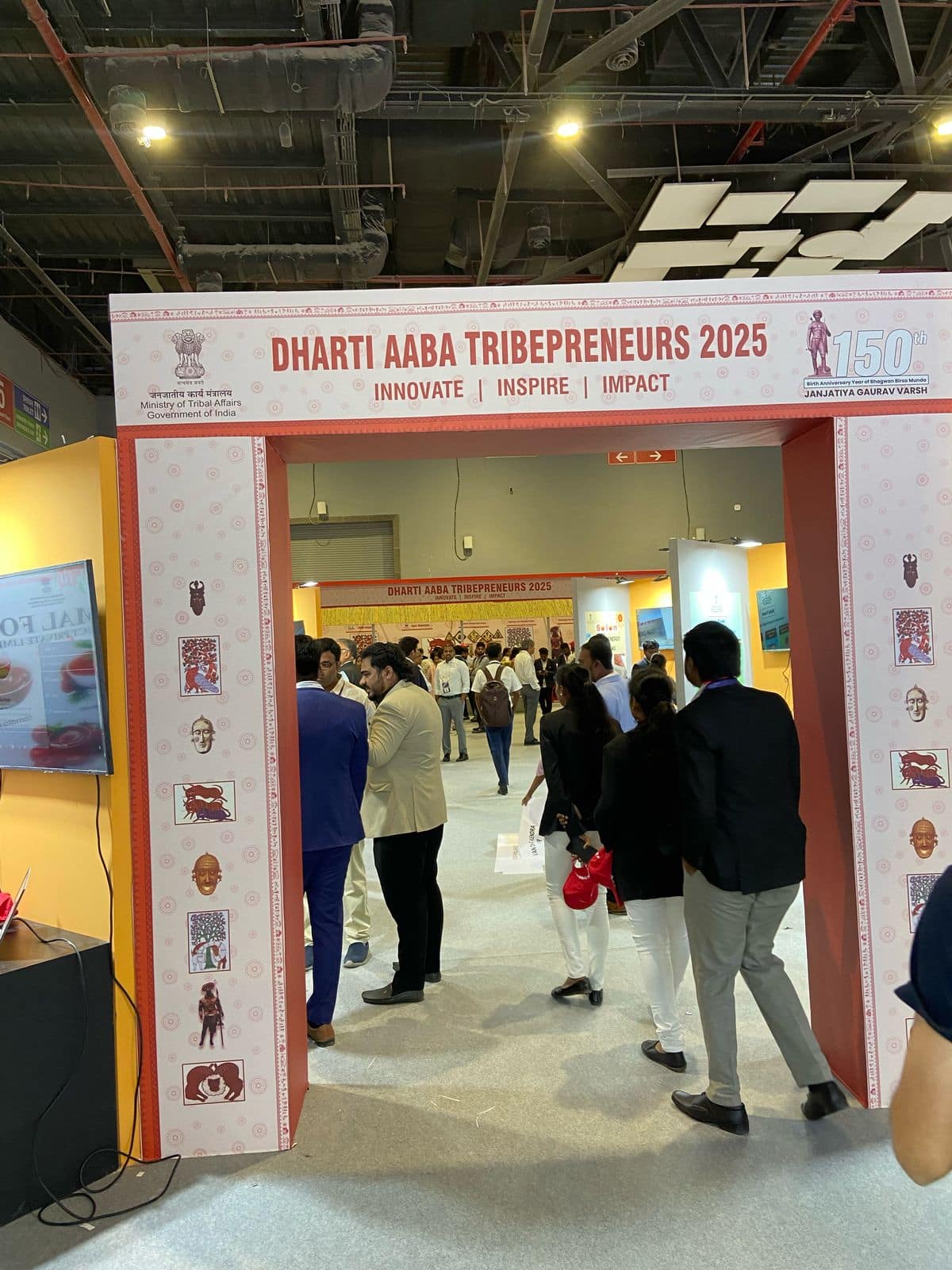
The Startup Mahakumbh in Delhi also saw countries like South Korea, Sri Lanka, UAE, and Vietnam showcasing their innovations. Indian states stepped up too—Telangana, Tamil Nadu, Gujarat, Assam, Bihar, Meghalaya and many others sponsored hundreds of pods to support their startups.
Some booths were paid for by the startups themselves, with prices going up to Rs 30,000 + GST for all three days, while larger players were charged based on the square footage. Banks, government organisations, and incubators also supported ventures with pods around or inside their larger booths.
"It was way less chaotic this year. More chill and better organised. You could easily find people working in the same space," said a founder working in the fintech space. While he attended the event, he did not find much value in putting up a booth as his operations were more B2B.
In fact, while deeptech may have stolen the show, one of the most heartwarming stories came from Geetha, a visually impaired entrepreneur from Kerala who is building a product line with curcumin at its core. “I loved how her entire family—husband and two kids—were right there with her, enthusiastically talking about their product,” said one attendee. “That was the beauty of this event.”
Deep-tech and AI
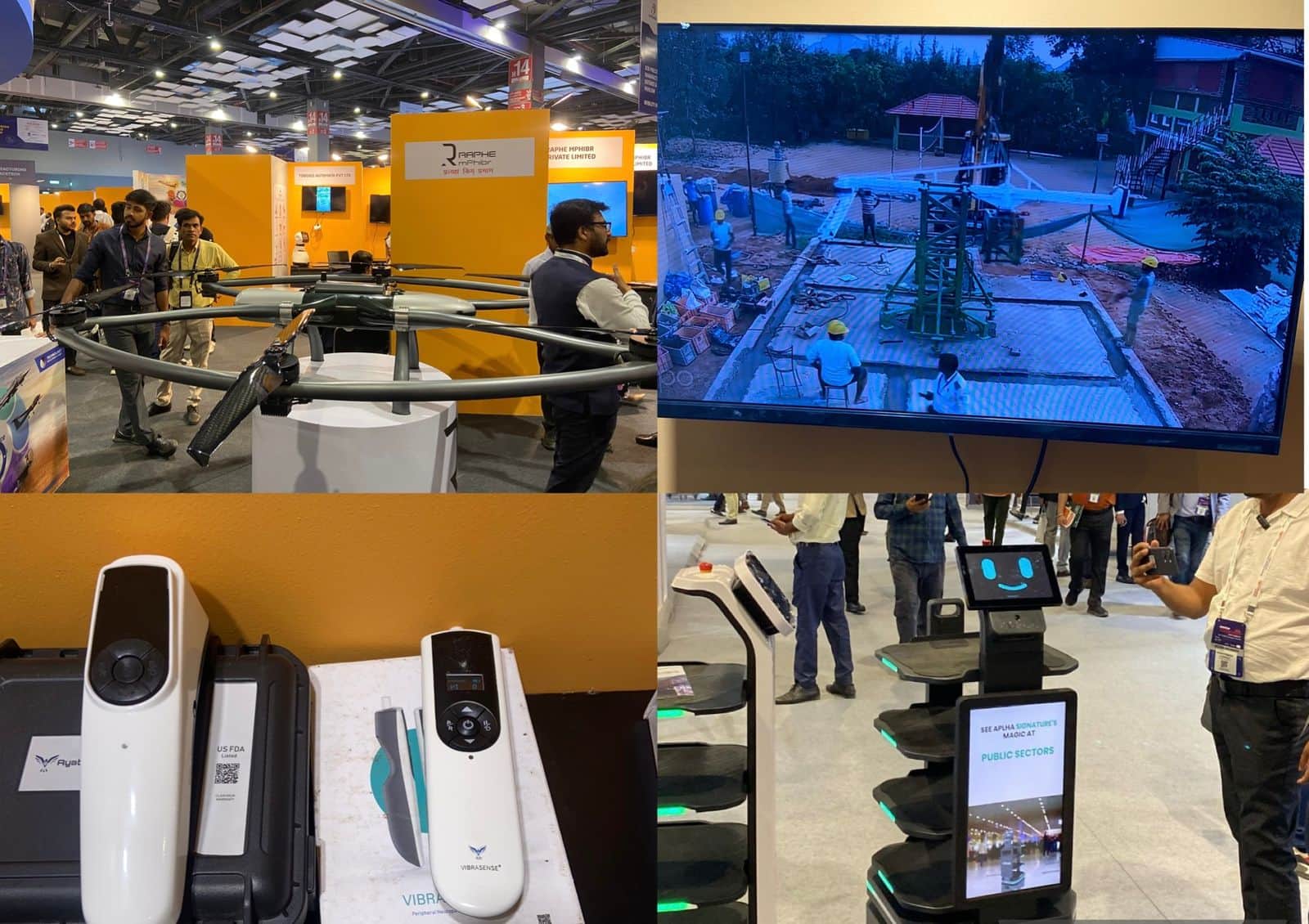
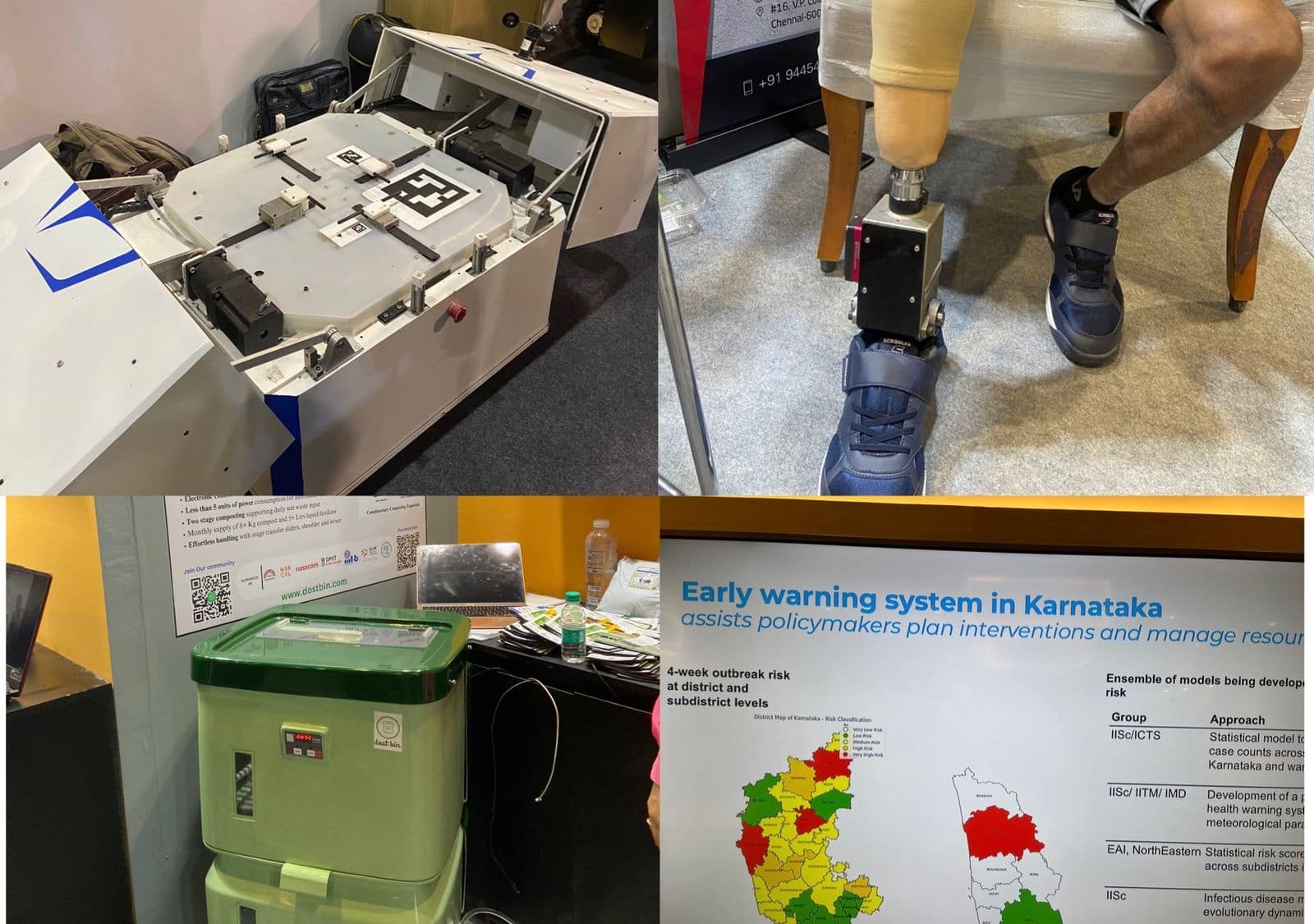
As one visitor put it on social media: “Hall 14, dedicated to manufacturing and deep-tech, was interesting. It’s where the real action was. The solutions showcased were brilliant. But it didn't see much interest from investors, businesses, or the general public. It was only people from the industry hanging out. Overall curiosity was missing. But it had so much to offer.”
“Not everyone was building the next food delivery app—some were literally exploring the depths of oceans and aiming for the skies. An autonomous, sea-based, search and rescue vessel built by an independent inventor blew me away!” he added.
The AI buzz was impossible to miss—especially in hall 5.
But for many who took the time to engage with each booth, the excitement gave way to caution. “Why does everyone have to add AI to their pitch,” said an attendee.
“There are only a handful with a real IP differentiator. That’s scary. The upside is that the ones making an actual difference have very solid applications,” said one founder.
A panel moderator in the agritech space added: “We’re seeing a lot of pitch decks that say ‘AI + Bharat’—but many don’t seem to have proprietary tech or clear differentiation underneath. That’s something we really need to be mindful of.”
Fun and gaming
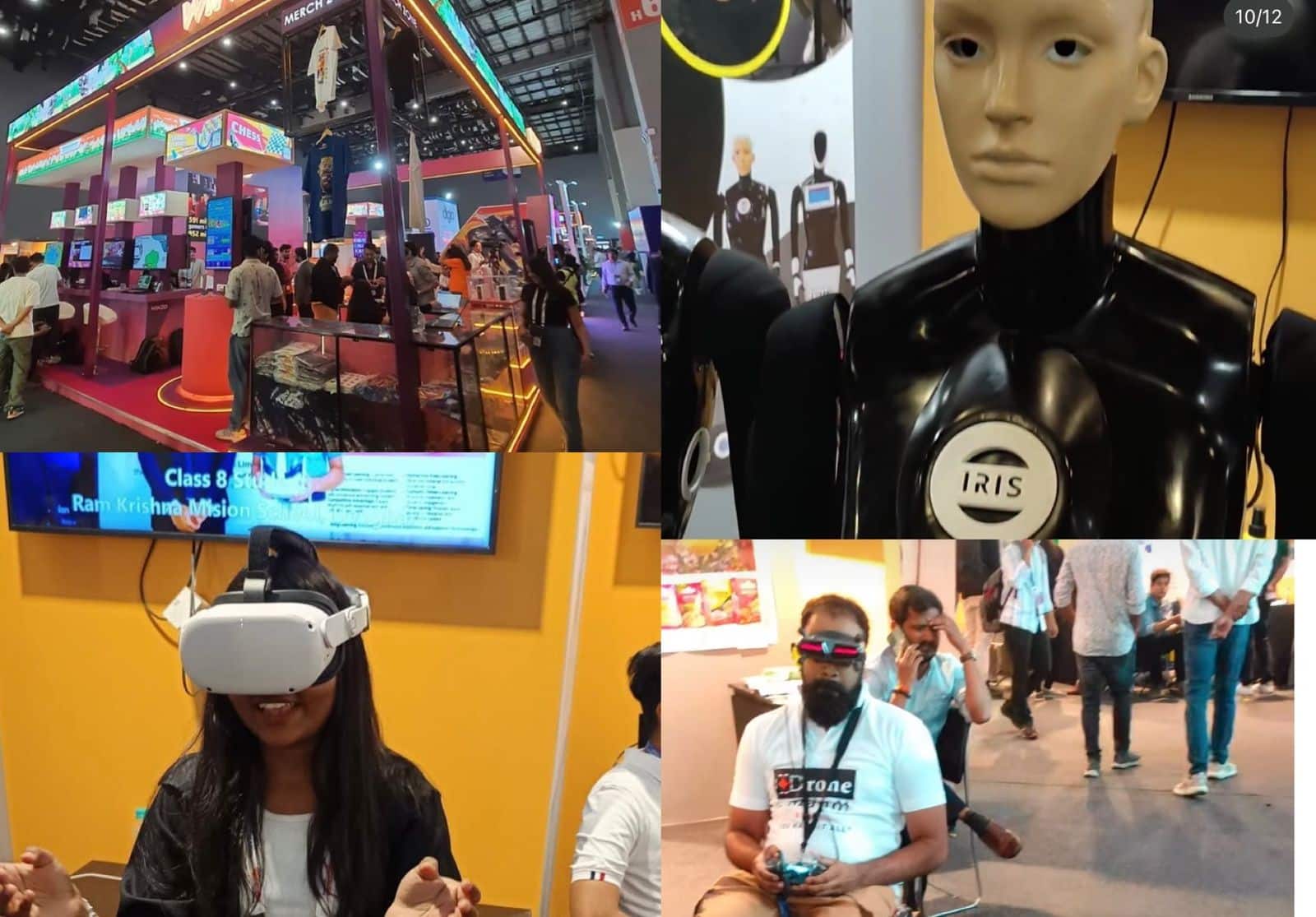
In the gaming pavilion, hall 6, although the number of startups was small, the engagement level was high—especially among students. The WinZO booth hosted free-to-play gaming experiences, while the Digital India Foundation ran a student challenge — GamePlan —where participants created presentations on tackling illegal betting and gambling. Of the many entries, 12 finalists were selected, and the top three won cash prizes of up to Rs 50,000.
This year, the focus on responsible gaming was evident, marking a shift in how the industry is presenting itself post the regulatory headwinds last year.
 .
.
Everyone had a story—and an opinion
To keep things informal yet impactful, the Startup Policy Forum and Digital India Foundation hosted dinner mixers on Day 1 and Day 2, respectively—contributing to the overall mood and flow of conversations.
The DPIIT booth, as always, remained packed. So did the DRDO, SIDBI (Small Industries Development Bank of India) and GeM (Government e-Marketplace) booths. With the union budget earlier this year allocating larger grants for seed and early-stage startups, dozens of young entrepreneurs were seen discussing incentive structures, grant deadlines, and IP filings with ministry officials.
But not everyone left impressed.
One visitor summed up the cynicism on social media: “Walked through Startup Mahakumbh expecting disruptive innovation. Instead, saw repackaged delivery apps, D2C millets, ChatGPT wrappers, and MSME-grade pitch decks. It felt more like a fair than a frontier.”
Still, for others, those pitches and encounters were enough.
“The thing is, even if 90 percent is noise, the other 10 percent makes it worth it,” said an investor walking out of a pitch competition. “Especially if it’s a bone-regeneration startup bumping into a bio-printed skin venture. That stuff doesn’t happen on Zoom.”
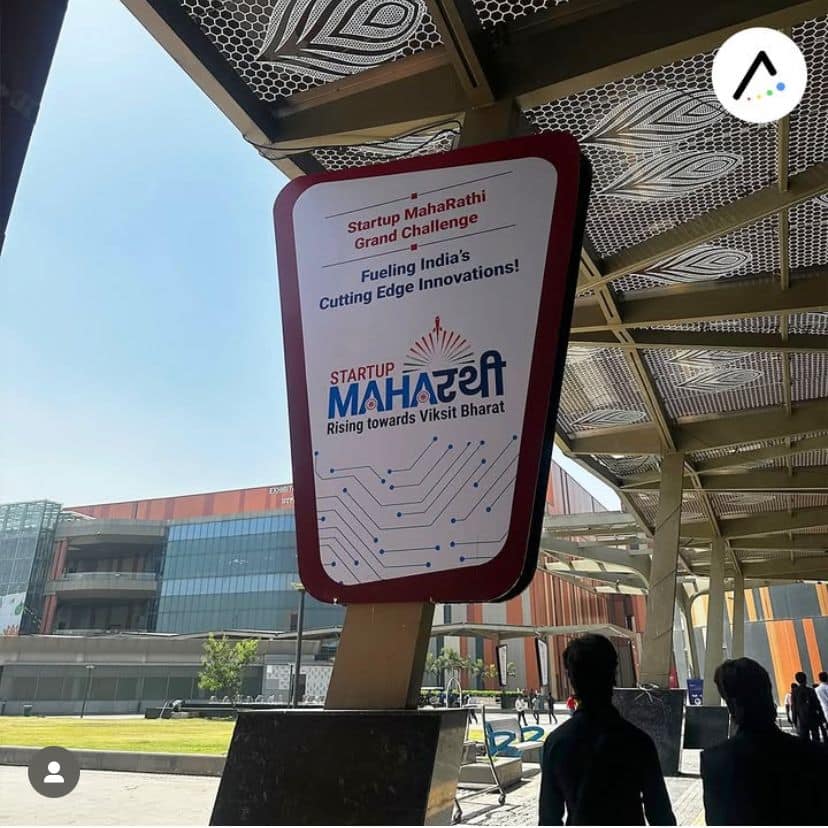
To further support such encounters, two competitions—Startup Maharathi (a 10-minute pitch battle) and Futurepreneurs (an open challenge for college students)—offered on-ground grants. These were particularly impactful for startups outside the incubator or accelerator networks.
The bigger challenge is clear—turning the buzz into breakthroughs, and ensuring that what sparked curiosity this week doesn’t end up as just another LinkedIn post.


Discover the latest Business News, Sensex, and Nifty updates. Obtain Personal Finance insights, tax queries, and expert opinions on Moneycontrol or download the Moneycontrol App to stay updated!
Find the best of Al News in one place, specially curated for you every weekend.
Stay on top of the latest tech trends and biggest startup news.