

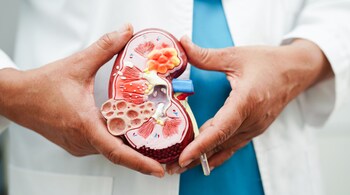
Chronic Kidney Disease (CKD) is a silent but life-altering condition that affects millions worldwide, often progressing unnoticed until severe complications arise. On this World Kidney Day, Dr Bhanu Mishra, Consultant-Nephrologist, BLK Max Superspeciality Hospital, emphasises the need for early detection, lifestyle modifications, and timely medical intervention to curb the growing burden of CKD.
What is Chronic Kidney Disease (CKD)?
CKD is a progressive condition in which the kidneys gradually lose their ability to filter waste and excess fluids from the blood. This impairment develops over months or even years, often due to underlying health conditions such as diabetes, high blood pressure, or genetic predisposition. If left untreated, CKD can eventually lead to complete kidney failure, making dialysis or a kidney transplant the only life-saving options.
What are the symptoms of CKD?
One of the most challenging aspects of CKD is its silent nature. Many individuals do not experience noticeable symptoms until the disease has reached an advanced stage. Early signs may include fatigue, swollen ankles, changes in urine output, and a reduced appetite. As the condition worsens, symptoms such as difficulty breathing, nausea, confusion, and dangerously high blood pressure can develop. In severe cases, kidney failure can lead to life-threatening complications.
Who is at risk?
Certain groups are more vulnerable to developing CKD. Individuals with diabetes and hypertension are at the highest risk, as these conditions directly impact kidney function. Older adults, heart patients, and obese individuals are also more susceptible to kidney disease. Additionally, marginalized populations with limited access to healthcare may face a higher risk due to undiagnosed or untreated conditions. Lifestyle choices, such as smoking and unhealthy eating habits, further increase the likelihood of CKD.
Preventing CKD: The role of lifestyle and awareness
While CKD can have serious consequences, it is largely preventable through proactive health management. Keeping blood pressure and blood sugar levels in check is essential, as uncontrolled hypertension and diabetes are the leading causes of kidney damage. A healthy lifestyle plays a crucial role in prevention—staying well-hydrated, maintaining a balanced diet low in salt and processed foods, and avoiding excessive use of painkillers can help protect kidney health. Regular medical check-ups and kidney function tests are also key in detecting the disease early.
Also Read | Chronic kidney disease: Control blood pressure and diabetes, plus other tips to keep your kidney healthy
Treatment: Managing CKD for a better quality of life
There is no cure for CKD, but treatment can slow its progression and improve the patient’s quality of life. Managing underlying conditions such as high blood pressure and diabetes is crucial. Medications to control cholesterol and prevent further kidney damage are often prescribed. In advanced cases, when kidney function declines significantly, dialysis or a kidney transplant may become necessary. However, early diagnosis and treatment can help patients maintain kidney function for as long as possible.
Also Read | Chronic Kidney Disease: Easy ways to keep your kidneys healthy, from diet tweaks to hydration tips
On World Kidney Day, Dr Mishra urges individuals to take kidney health seriously. Given its silent progression, regular screening and early intervention are critical in preventing CKD from reaching life-threatening stages. By adopting a kidney-friendly lifestyle, managing pre-existing conditions, and staying informed, individuals can take charge of their health and reduce the risk of CKD.
Disclaimer: This article, including health and fitness advice, only provides generic information. Don’t treat it as a substitute for qualified medical opinion. Always consult a specialist for specific health diagnosis.
Discover the latest Business News, Sensex, and Nifty updates. Obtain Personal Finance insights, tax queries, and expert opinions on Moneycontrol or download the Moneycontrol App to stay updated!





