- My Alerts
- Go Ad-Free
-
My Account











Chronic obstructive pulmonary disease: Major risk factors, diagnostic approaches and preventive measures
Chronic obstructive pulmonary disease is a preventable condition marked by progressive airflow limitation and chronic respiratory symptoms, mainly caused by long-term exposure to cigarette smoke or pollutants. It presents with cough, sputum, and exertional breathlessness. Diagnosis involves imaging and spirometry. Early treatment, smoking cessation, and pulmonary rehabilitation improve outcomes and quality of life.




1/10
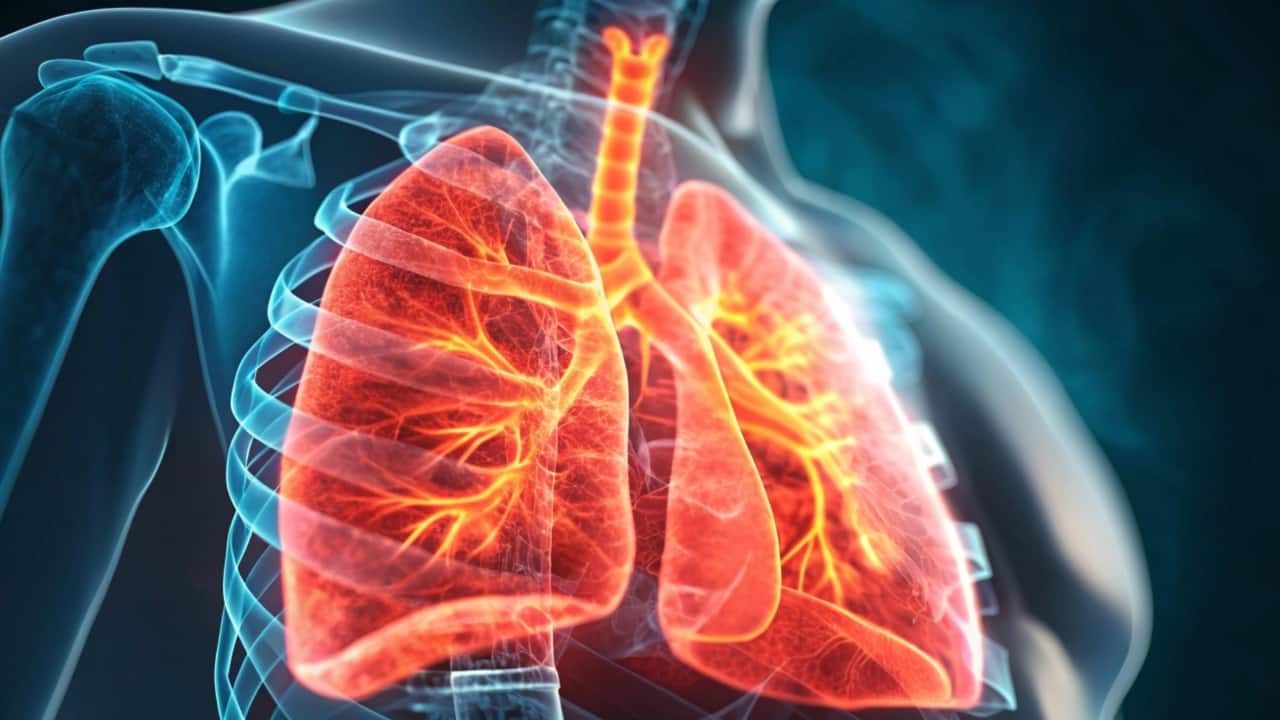
Overview of COPD condition
Chronic obstructive pulmonary disease, also called COPD, is a preventable disease that is characterised by respiratory symptoms and limitation of airflow in the airway due to abnormalities. Such changes occur as result of exposure to noxious particles. (Picture Credit: Canva)
Chronic obstructive pulmonary disease, also called COPD, is a preventable disease that is characterised by respiratory symptoms and limitation of airflow in the airway due to abnormalities. Such changes occur as result of exposure to noxious particles. (Picture Credit: Canva)
2/10

Major risk contributors
Long-term exposure to cigarette smoke has been found to be a major risk factor for the development of chronic obstructive pulmonary disease. The inflammation caused leads to small airway fibrosis and excessive secretion of mucus, and later, destruction of the alveoli. (Picture Credit: Canva)
Long-term exposure to cigarette smoke has been found to be a major risk factor for the development of chronic obstructive pulmonary disease. The inflammation caused leads to small airway fibrosis and excessive secretion of mucus, and later, destruction of the alveoli. (Picture Credit: Canva)
3/10

Airflow limitation progression
The limitation of airflow in the airways is progressive, and may not always be reversible. One of the cardinal symptoms of this condition is the presence of chronic cough, along with production of sputum. The affected individual also finds it difficult to breathe on exertion. (Picture Credit: Canva)
The limitation of airflow in the airways is progressive, and may not always be reversible. One of the cardinal symptoms of this condition is the presence of chronic cough, along with production of sputum. The affected individual also finds it difficult to breathe on exertion. (Picture Credit: Canva)
4/10

Characteristic respiratory symptoms
Breathlessness occurs after performing a physical activity, like climbing stairs. The persons may also experience wheezing and a feeling of tightness in the chest intermittently. These symptoms usually develop over the course of a few years, and the quality of life is affected. (Picture Credit: Canva)
Breathlessness occurs after performing a physical activity, like climbing stairs. The persons may also experience wheezing and a feeling of tightness in the chest intermittently. These symptoms usually develop over the course of a few years, and the quality of life is affected. (Picture Credit: Canva)
5/10

Clinical examination findings
On examination, the healthcare provider may notice signs like prolonged expiration and use of accessory muscles while breathing, like the sternocleidomastoid. Reduced breath sounds on auscultation and hyper-resonance on percussion are common. (Picture Credit: Canva)
On examination, the healthcare provider may notice signs like prolonged expiration and use of accessory muscles while breathing, like the sternocleidomastoid. Reduced breath sounds on auscultation and hyper-resonance on percussion are common. (Picture Credit: Canva)
6/10

Severe disease appearances
The affected person may also show breathing through pursed lips, and in severe cases, the chest may become barrel-shaped. Swelling over the ankles and other signs of changes in the cardiovascular system may occur. Some persons also show a loss of weight in this condition. (Picture Credit: Canva)
The affected person may also show breathing through pursed lips, and in severe cases, the chest may become barrel-shaped. Swelling over the ankles and other signs of changes in the cardiovascular system may occur. Some persons also show a loss of weight in this condition. (Picture Credit: Canva)
7/10

Additional risk factors
Cigarette smoking is one of the major risk factors, along with exposure to biomass fuel and occupational dust and chemicals. Other risk factors include air pollution and genetic causes like a deficiency of alpha-1-antitrypsin. A history of asthma may also increase the risk. (Picture Credit: Canva)
Cigarette smoking is one of the major risk factors, along with exposure to biomass fuel and occupational dust and chemicals. Other risk factors include air pollution and genetic causes like a deficiency of alpha-1-antitrypsin. A history of asthma may also increase the risk. (Picture Credit: Canva)
8/10
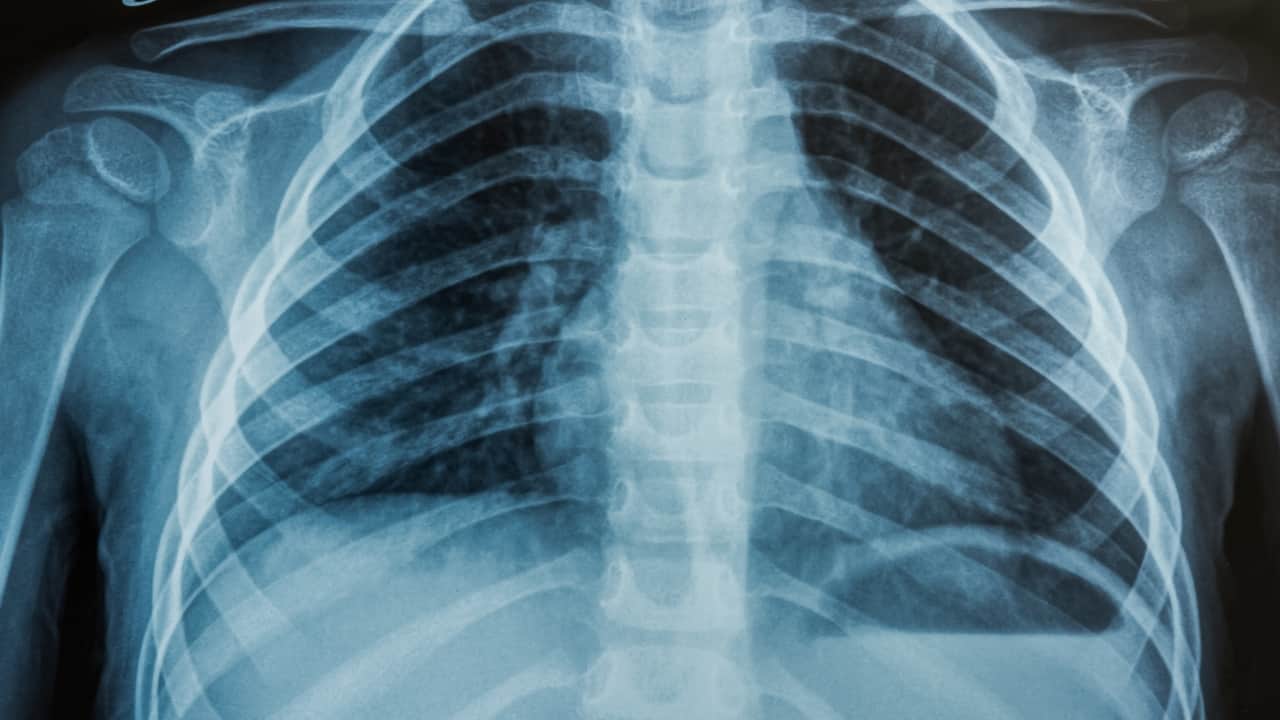
Diagnostic approaches used
A chest X-ray and an HRCT can aid in identifying chronic obstructive pulmonary disease. The treatment often includes bronchodilators and inhaled corticosteroids. Proper technique while using the inhaler is crucial for adequate effect of the drugs. (Picture Credit: Canva)
A chest X-ray and an HRCT can aid in identifying chronic obstructive pulmonary disease. The treatment often includes bronchodilators and inhaled corticosteroids. Proper technique while using the inhaler is crucial for adequate effect of the drugs. (Picture Credit: Canva)
9/10

Possible disease complications
If not treated timely, it can lead to increased recurrence of infections of the respiratory tract and weight loss. It may also cause chronic respiratory failure in severe cases. Long-term symptoms may lead to mental health issues like anxiety. It may also predispose the affected individual to cardiovascular problems. (Picture Credit: Canva)
If not treated timely, it can lead to increased recurrence of infections of the respiratory tract and weight loss. It may also cause chronic respiratory failure in severe cases. Long-term symptoms may lead to mental health issues like anxiety. It may also predispose the affected individual to cardiovascular problems. (Picture Credit: Canva)
10/10

Prevention and rehabilitation measures
One of the most effective measures to reduce the risk of developing chronic obstructive pulmonary disease is cessation of smoking. Pulmonary rehabilitation may aid in enhancing exercise tolerance and quality of life. Long-term oxygen therapy may benefit some. Avoidance of triggers is necessary. (Picture Credit: Canva) Disclaimer: This article, including health and fitness advice, only provides generic information. Don’t treat it as a substitute for qualified medical opinion. Always consult a specialist for specific health diagnosis.
One of the most effective measures to reduce the risk of developing chronic obstructive pulmonary disease is cessation of smoking. Pulmonary rehabilitation may aid in enhancing exercise tolerance and quality of life. Long-term oxygen therapy may benefit some. Avoidance of triggers is necessary. (Picture Credit: Canva) Disclaimer: This article, including health and fitness advice, only provides generic information. Don’t treat it as a substitute for qualified medical opinion. Always consult a specialist for specific health diagnosis.
Discover the latest Business News, Budget 2025 News, Sensex, and Nifty updates. Obtain Personal Finance insights, tax queries, and expert opinions on Moneycontrol or download the Moneycontrol App to stay updated!



