

Dietary fibre is a carbohydrate from plant material the body does not digest fully but is essential for your overall health. Specifically, fibres are divided into soluble and insoluble fibre. While soluble fibre dissolves in water to lower cholesterol and blood sugar, insoluble fibre absorbs water to promote digestion.
Fibre's benefits extend from helping you in managing weight to keeping the heart healthy and managing sugar levels. Sadly, most people don't get the recommended daily amount — around 25 gm for women and 38 gm for men per day, according to nutrition recommendations.
The good thing is that adding fibre to your daily diet is an easy task. You can reach your goals with simple, natural choices through the day. According to Delhi-based nutritionist Dr Meera Kapoor, it is essential to gradually increase the level to prevent digestive discomfort, and consuming fibre with sufficient hydration is the way to get all its benefits.
Also read | Fibre-rich foods for gut health, longevity: Oats, lentils, apple, broccoli, chia seeds, more
10 ways to increase fibre naturally
Start your day with oats
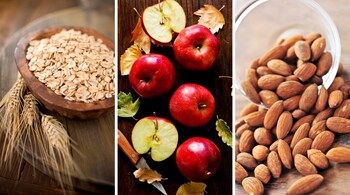
Oats are a wonderful breakfast option rich in soluble fibre, especially Beta-glucan, which helps in reducing cholesterol levels and helps in improving heart health. It also provides fullness for long and makes a great fibre-packed addition to your morning in the form of porridge, overnight oats or any kind of smoothie.
Snack on fresh fruit
Whole fruits such as apples, pears, and berries contain both soluble and insoluble fibre. Rather than consuming juice, eating the whole fruit will help you keep the beneficial fibre. In fact, the skin on some fruit, aside from providing added fibre, aids digestion and stabilizes energy levels by supplying vitamins, minerals & antioxidants.
Choose whole grains
Opting for whole grains — such as brown rice, quinoa, and whole wheat bread — can bulk up your meals with plenty of fibre. In addition, whole grains have a higher content of vitamins, minerals, and plant compounds than refined grains. They take longer to break down so you stay full for a longer period and blood sugar levels remain more stable over the time of the day.
Also read | Benefits of plant-based eating: Get all the minerals, vitamins and fibre for your body from plants
Add legumes to meals
Legumes including lentils, chickpeas and black beans are rich in fibre, protein and plant-based (positive). They help improve digestion, regulate appetite and stabilise blood sugar.
Eat more vegetables
Most vegetables are low-calorie foods, but they are often high in dietary fibre, vitamins and antioxidants. Leafy greens, broccoli, and carrots help keep your bowels regular. For optimal results, make sure each meal (raw, steamed, or roasted) is accompanied by some type of veggie.
Sprinkle seeds on foods
A little sprinkle of chia seeds, flaxseeds, or sunflower seeds is a big fibre punch. You can easily sprinkle them over yoghurt, oatmeal, or salad.
Try nuts for snacks
Almonds, pistachios, and walnuts are examples of nuts that provide fibre, as well as healthy fats and protein. These are a perfect portable snack and are good for your heart. A small handful is good for digestion and physically reduces hunger between meals. Make sure to avoid salted and roasted types because it can take away the benefits of nutrients without your body needing more sodium.
Keep the skin on
Some fruits and vegetables keep a significant portion of their fibre in the skin. Keeping the peels on apples, cucumbers, and potatoes increases fibre intake immediately. Wash and peel your vegetables and buy organic. Skins also provide antioxidants and plant compounds that help overall health and immunity through the skins.
Eat avocados
The rich, buttery flesh of avocados containing soluble fibre and beneficial monounsaturated fats. It is beneficial for digestion, heart health, and keeps you satiated for long. This creamy fruit can be enjoyed sliced on toast, blended into smoothies, or mixed in with salads.
Bake with wholemeal flour
Where refined white flour is used, wholemeal or other high-fibre flours such as spelt or oat flour can significantly increase the fibre content of baked goods.
Disclaimer: This article, including health and fitness advice, only provides generic information. Don’t treat it as a substitute for qualified medical opinion. Always consult a specialist for specific health diagnosis.
Discover the latest Business News, Sensex, and Nifty updates. Obtain Personal Finance insights, tax queries, and expert opinions on Moneycontrol or download the Moneycontrol App to stay updated!





