- My Alerts
- Go Ad-Free
-
My Account











Lesser-known facts about Netflix's Stranger Things
Stranger Things Season 5 Part 1 has returned viewers to the eerie Upside-Down, while Part 2 is still a few days away. Behind the scenes, the series drew inspiration from real-life Cold War experiments, faced multiple script rejections, and even sparked unexpected trends like soaring Eggo waffle sales.




1/9
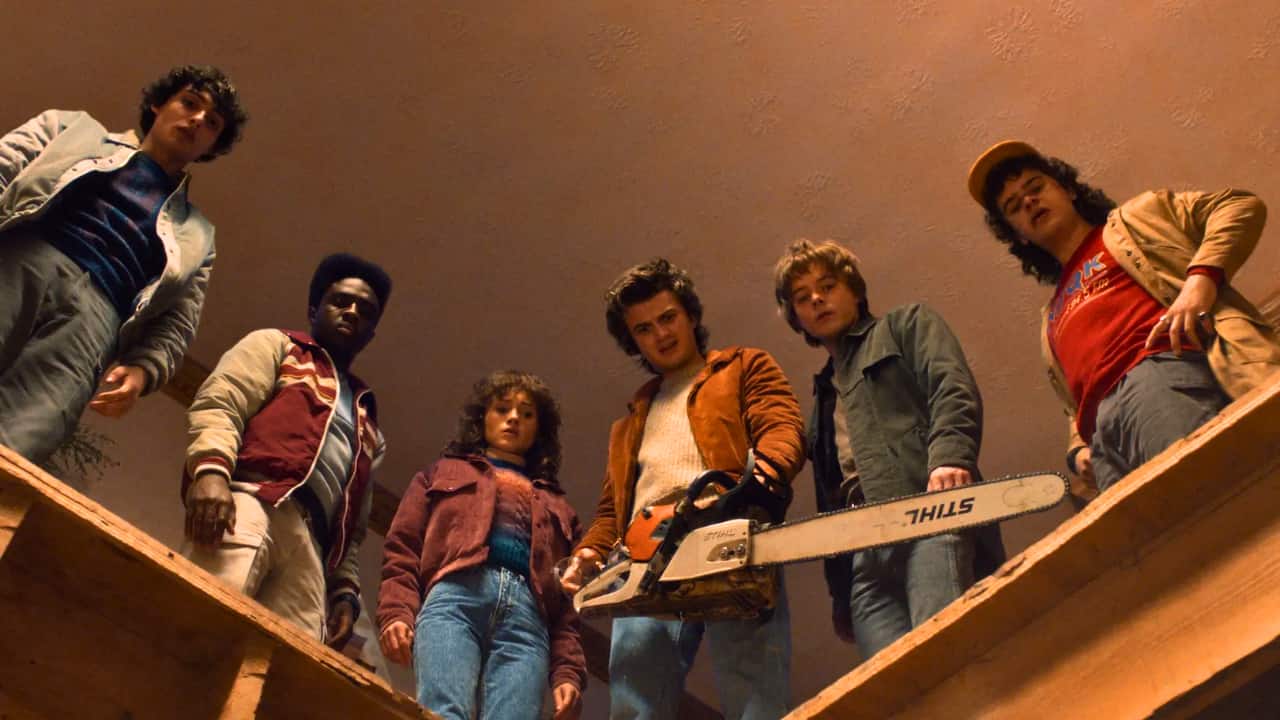
Stranger Things Season 5 Part 1 recently premiered on Netflix, taking the viewers inside the Upside-Down world for one more time. As Part 2 is still a few days away, take a look at some of the lesser-known behind-the-scenes facts about the series.
2/9
Inspired by Real-Life Incidents
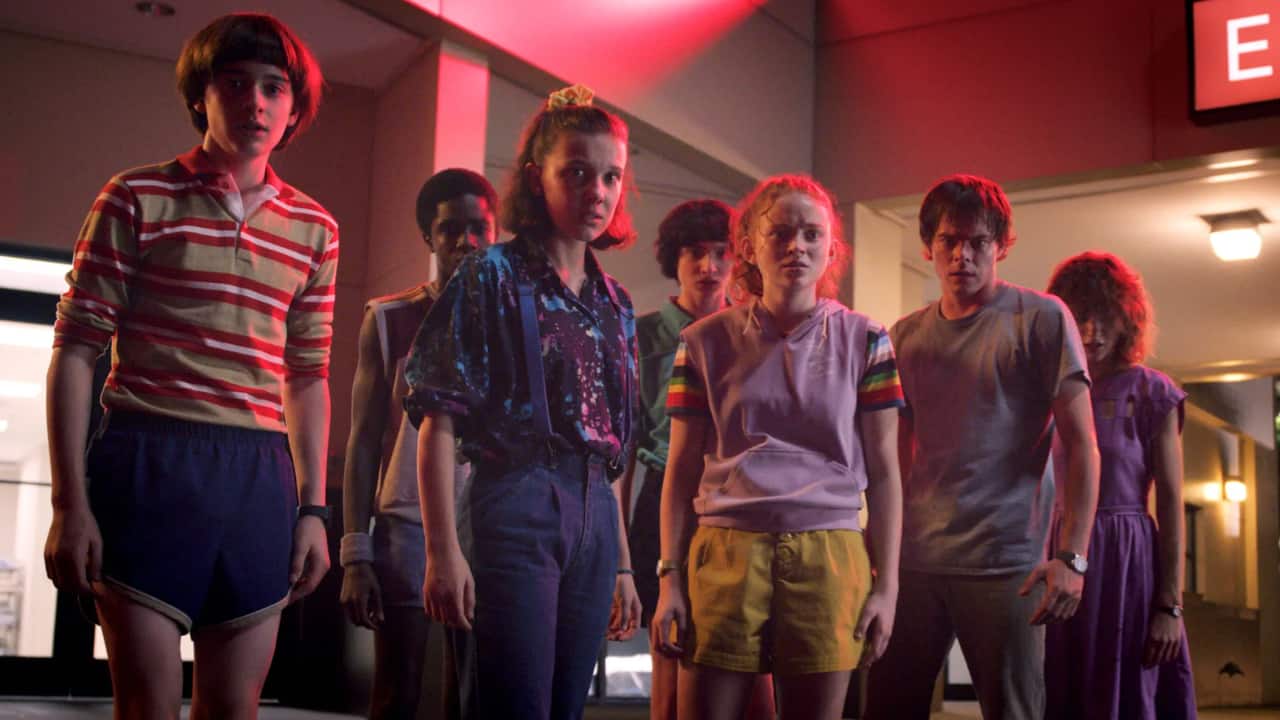
The Duffer Brothers drew inspiration for Stranger Things not only from iconic directors like Steven Spielberg, John Carpenter, and Stephen King but also from real-world events. The storyline about Eleven and the experiments at Hawkins Lab was influenced by Cold War-era experiments and conspiracy theories about secret government programs, including the Montauk Project, which was originally intended as the show’s name. While the series is fictional, some of its events have been inspired by real-life incidents.
The Duffer Brothers drew inspiration for Stranger Things not only from iconic directors like Steven Spielberg, John Carpenter, and Stephen King but also from real-world events. The storyline about Eleven and the experiments at Hawkins Lab was influenced by Cold War-era experiments and conspiracy theories about secret government programs, including the Montauk Project, which was originally intended as the show’s name. While the series is fictional, some of its events have been inspired by real-life incidents.
3/9

Script Rejected Almost 20 Times
Before Netflix picked up Stranger Things, the Duffer Brothers’ script faced heavy rejection. They revealed to Rolling Stone that their concept was turned down 15 to 20 times. Studio executives reportedly didn’t connect with the show’s multigenerational storyline, suggesting they either make it a kids’ show or focus solely on Hopper investigating paranormal events. Despite repeated setbacks, Matt and Ross stayed true to their vision, which ultimately resonated with audiences worldwide, proving that persistence can triumph even in a competitive Hollywood environment.
Before Netflix picked up Stranger Things, the Duffer Brothers’ script faced heavy rejection. They revealed to Rolling Stone that their concept was turned down 15 to 20 times. Studio executives reportedly didn’t connect with the show’s multigenerational storyline, suggesting they either make it a kids’ show or focus solely on Hopper investigating paranormal events. Despite repeated setbacks, Matt and Ross stayed true to their vision, which ultimately resonated with audiences worldwide, proving that persistence can triumph even in a competitive Hollywood environment.
4/9
Stranger Things faced two lawsuits
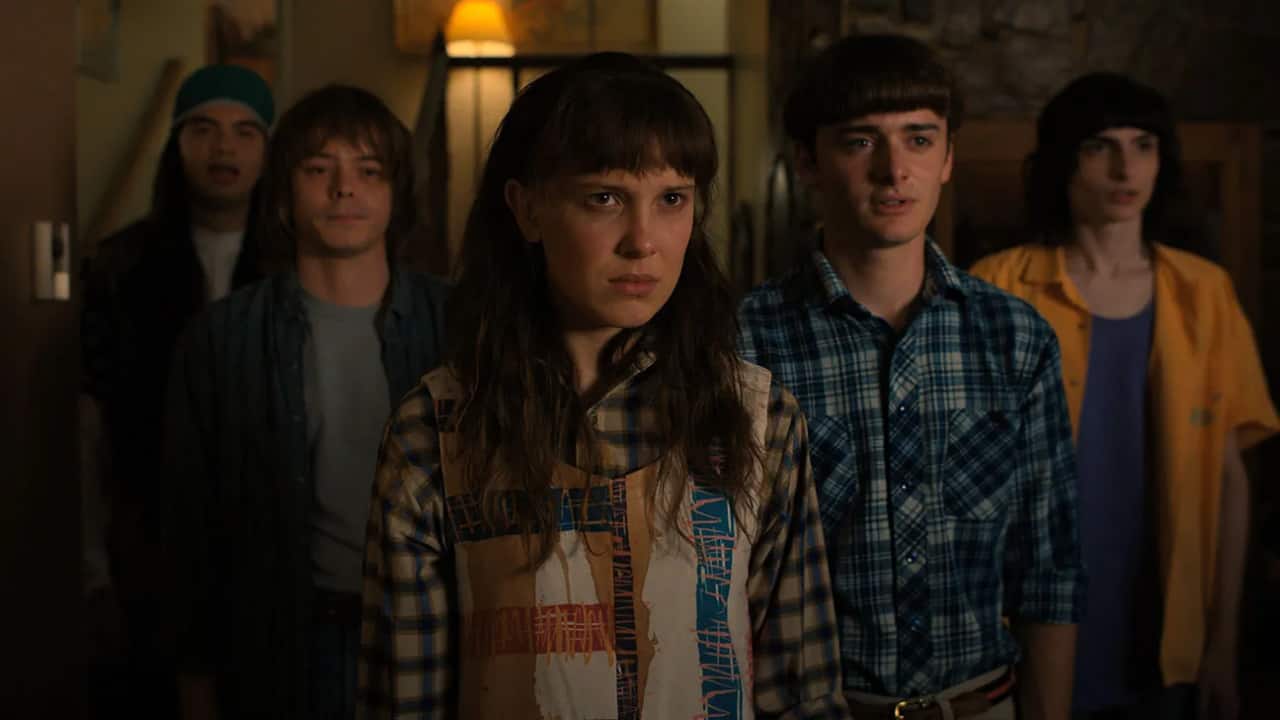
The series has been sued twice by filmmakers claiming the show stole their ideas. One alleged an unmade script called Totem shared similarities, while another claimed the show copied The Montauk Project. Both lawsuits were dropped due to a lack of evidence. The plaintiffs acknowledged that their work didn’t influence the creation of Stranger Things. Despite these legal challenges, the show remained unaffected creatively and continued to expand its fanbase, becoming one of Netflix’s most iconic series while dodging legal controversies.
The series has been sued twice by filmmakers claiming the show stole their ideas. One alleged an unmade script called Totem shared similarities, while another claimed the show copied The Montauk Project. Both lawsuits were dropped due to a lack of evidence. The plaintiffs acknowledged that their work didn’t influence the creation of Stranger Things. Despite these legal challenges, the show remained unaffected creatively and continued to expand its fanbase, becoming one of Netflix’s most iconic series while dodging legal controversies.
5/9

Stephen King was an early fan of Millie Bobby Brown
Millie Bobby Brown, who plays Eleven, was relatively unknown in the U.S. before Stranger Things, appearing only in small roles like Intruders. However, horror legend Stephen King praised her performance in 2014, tweeting, “Millie Brown, the girl in Intruders, is terrific. Is it my imagination, or are child actors a lot better than they used to be?”
Millie Bobby Brown, who plays Eleven, was relatively unknown in the U.S. before Stranger Things, appearing only in small roles like Intruders. However, horror legend Stephen King praised her performance in 2014, tweeting, “Millie Brown, the girl in Intruders, is terrific. Is it my imagination, or are child actors a lot better than they used to be?”
6/9

Eggo Waffle sales skyrocketed
Eleven’s love for Eggo waffles turned into a real-world phenomenon. The show’s iconic scenes of her stealing and eating the waffles boosted the breakfast treat’s sales significantly. CNN Business reported a 14% rise in Eggo frozen waffle sales during Season 2’s release in 2017 and a 9.4% increase in 2018.
Eleven’s love for Eggo waffles turned into a real-world phenomenon. The show’s iconic scenes of her stealing and eating the waffles boosted the breakfast treat’s sales significantly. CNN Business reported a 14% rise in Eggo frozen waffle sales during Season 2’s release in 2017 and a 9.4% increase in 2018.
7/9

Season 4 prison set linked to the Holocaust
The Lukiškės Prison in Lithuania, used for Season 4 scenes, drew controversy due to its historical connection to the Ponary massacre during the Holocaust. Protestors opposed Netflix’s use of the location and even the promotion of Eleven’s numerical tattoos on social media, arguing it disrespected survivors’ memories. A petition with over 60,000 signatures led the local tourism board to halt Airbnb rentals of the Stranger Things-themed prison cell.
The Lukiškės Prison in Lithuania, used for Season 4 scenes, drew controversy due to its historical connection to the Ponary massacre during the Holocaust. Protestors opposed Netflix’s use of the location and even the promotion of Eleven’s numerical tattoos on social media, arguing it disrespected survivors’ memories. A petition with over 60,000 signatures led the local tourism board to halt Airbnb rentals of the Stranger Things-themed prison cell.
8/9
The upside down isn’t actually called that
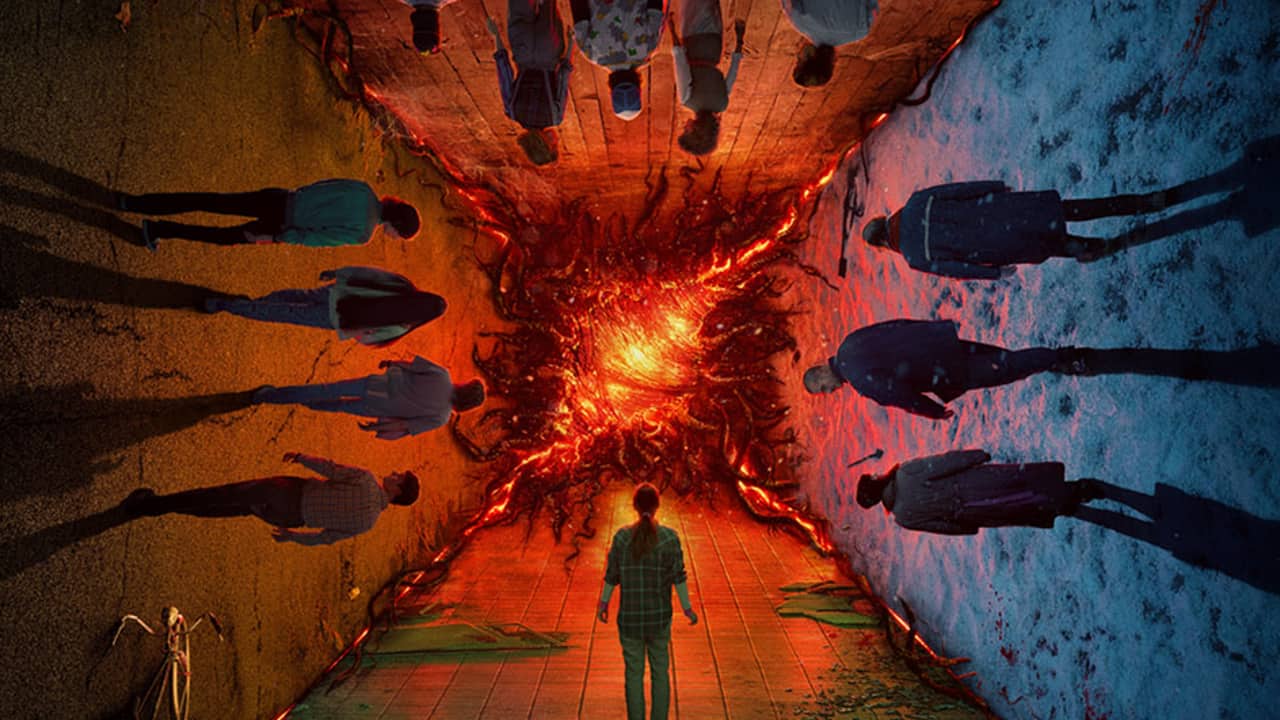
While fans universally know the eerie alternate universe as the Upside Down, the Duffer Brothers initially named it the Nether. Similarly, the monstrous Mind Flayer went through a name change, later being described as the Shadow Monster. Despite these official titles, merchandise, promotional materials, and fan discussions popularised the terms Upside Down and Mind Flayer, showing how viewer perception can redefine a series’ vocabulary and cultural footprint beyond the creators’ original intent.
While fans universally know the eerie alternate universe as the Upside Down, the Duffer Brothers initially named it the Nether. Similarly, the monstrous Mind Flayer went through a name change, later being described as the Shadow Monster. Despite these official titles, merchandise, promotional materials, and fan discussions popularised the terms Upside Down and Mind Flayer, showing how viewer perception can redefine a series’ vocabulary and cultural footprint beyond the creators’ original intent.
9/9
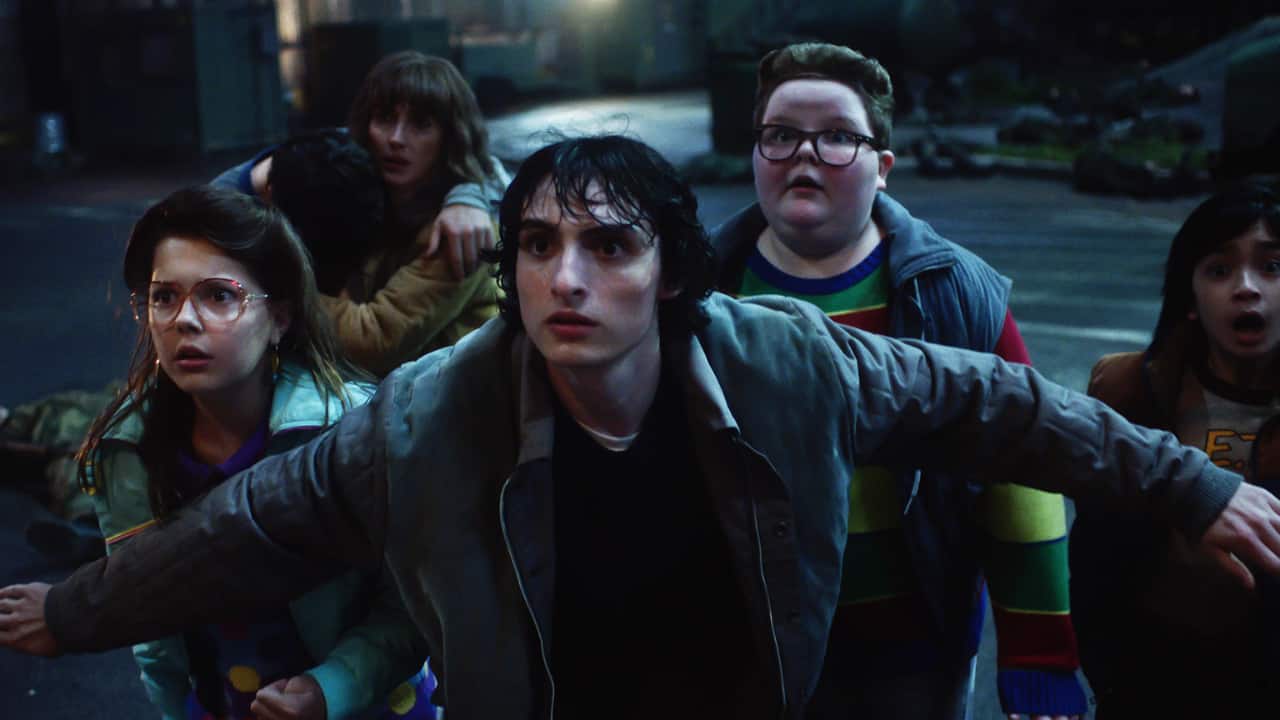
1,200 pounds of Epsom salts were used
In Season 1, Episode 7, the sensory deprivation scene with Eleven in a kiddie pool required 1,200 pounds of Epsom salts. Following the instructions of the fictional science teacher, Mr Clarke, Millie Bobby Brown really floated in the heavily salted water. This practical effect helped her emulate the sensation of being in the lab and tapping into her telekinetic powers.
In Season 1, Episode 7, the sensory deprivation scene with Eleven in a kiddie pool required 1,200 pounds of Epsom salts. Following the instructions of the fictional science teacher, Mr Clarke, Millie Bobby Brown really floated in the heavily salted water. This practical effect helped her emulate the sensation of being in the lab and tapping into her telekinetic powers.
Discover the latest Business News, Budget 2025 News, Sensex, and Nifty updates. Obtain Personal Finance insights, tax queries, and expert opinions on Moneycontrol or download the Moneycontrol App to stay updated!



