SCIENCE
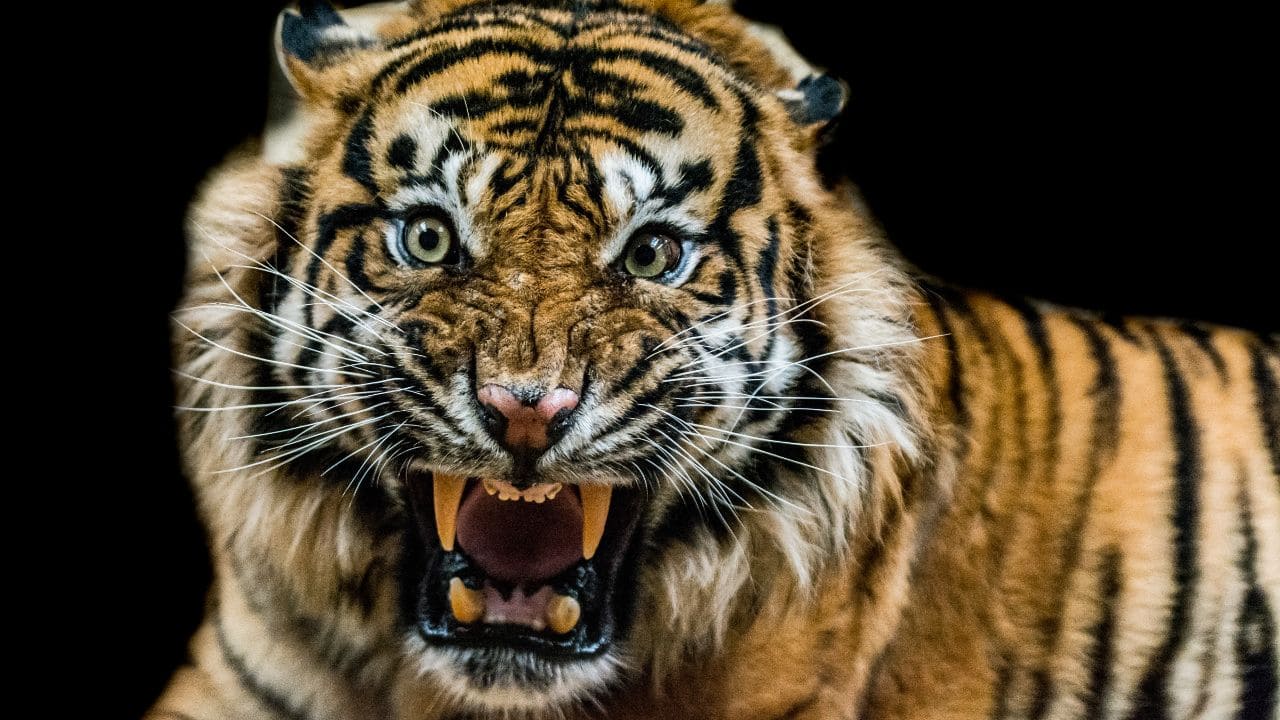
The Champawat Tiger: Tale of the 'world’s deadliest man-eater' that slaughtered over 400 and escaped an army
A legendary tigress terrorised villages, leaving a trail of fear and mystery. Her extraordinary hunts and daring escapes continue to fascinate and challenge our understanding of predators.
SCIENCE
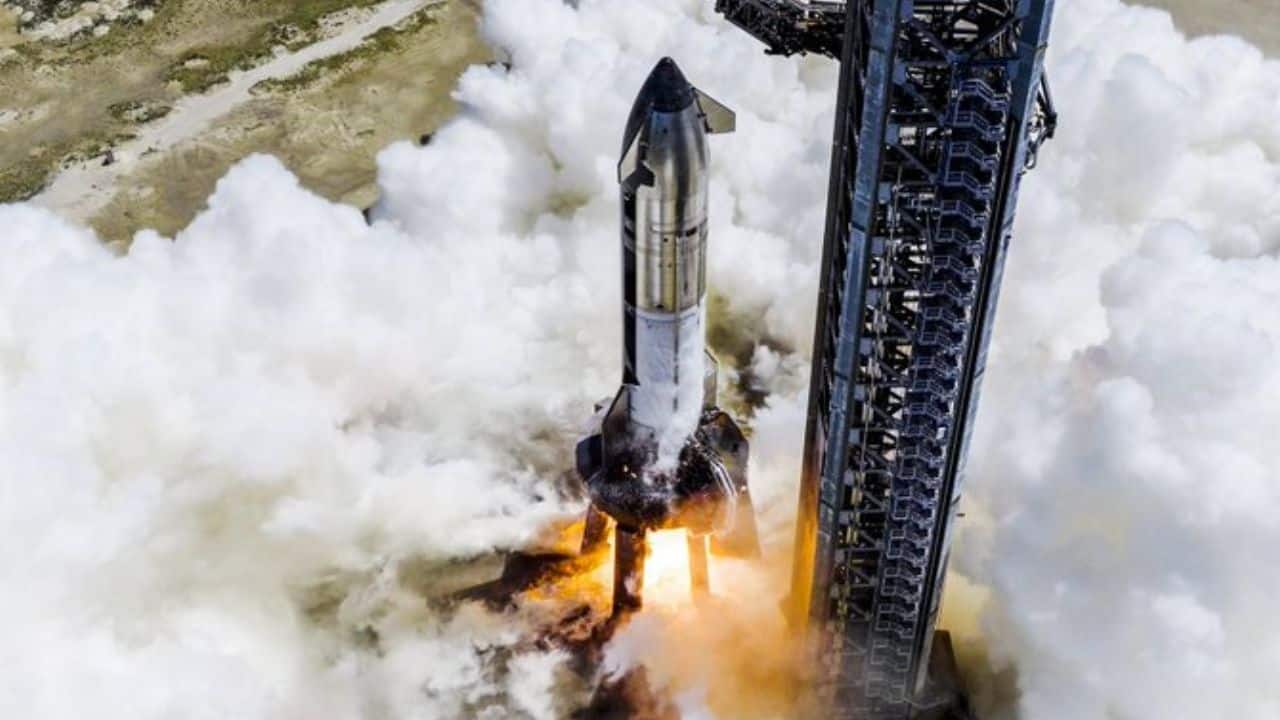
Starship Flight 11: SpaceX targets October 13 for next megarocket launch
The upcoming flight will test several upgrades designed for future missions. Super Heavy will attempt a new landing sequence, firing five of its 33 Raptor engines to control its descent.
SCIENCE
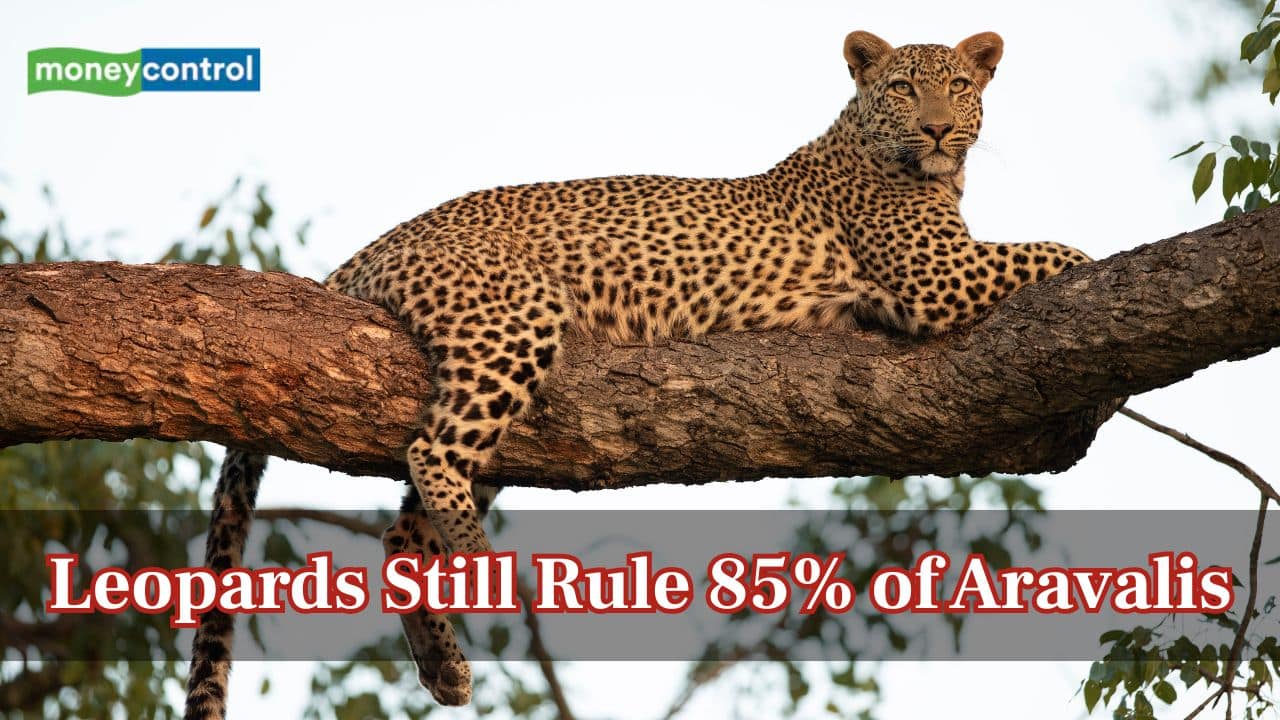
Leopards still rule 85% of Gurgaon-Faridabad Aravalis despite rising human pressure, study says
Leopards continue to thrive in the shrinking Aravalis, with a new study showing they occupy nearly 85% of the forested belt from Surajkund to Harchandpur.
SCIENCE
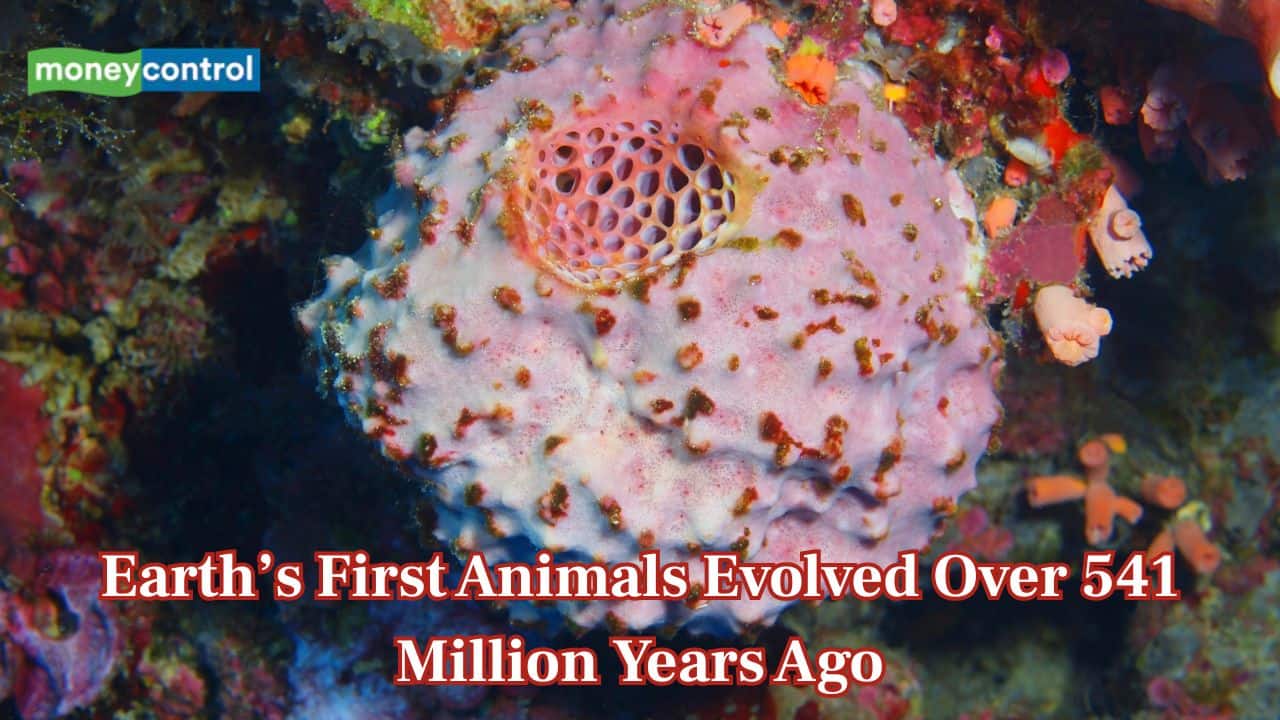
Over 541 million years old, this species could be Earth’s first-ever animal
Researchers found “chemical fossils” in ancient rocks containing 30-carbon steranes, a stable form of sterols present in the cell membranes of complex organisms.
SCIENCE
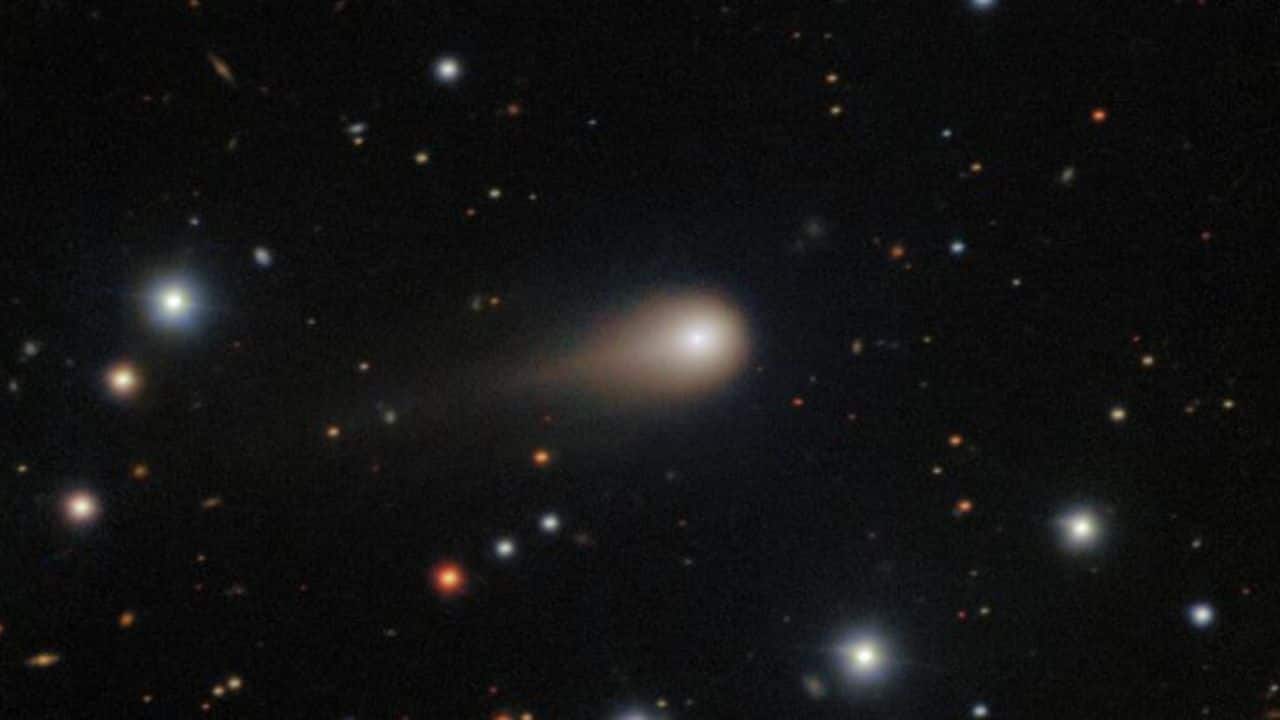
Interstellar Comet 3I/ATLAS zips past Sun, to be monitored by Mars and Jupiter spacecraft
The European Space Agency is using Mars and Jupiter missions to monitor the comet in real time. Observing from beyond Earth allows instruments to track the comet even when Earth-based telescopes lose sight.
SCIENCE
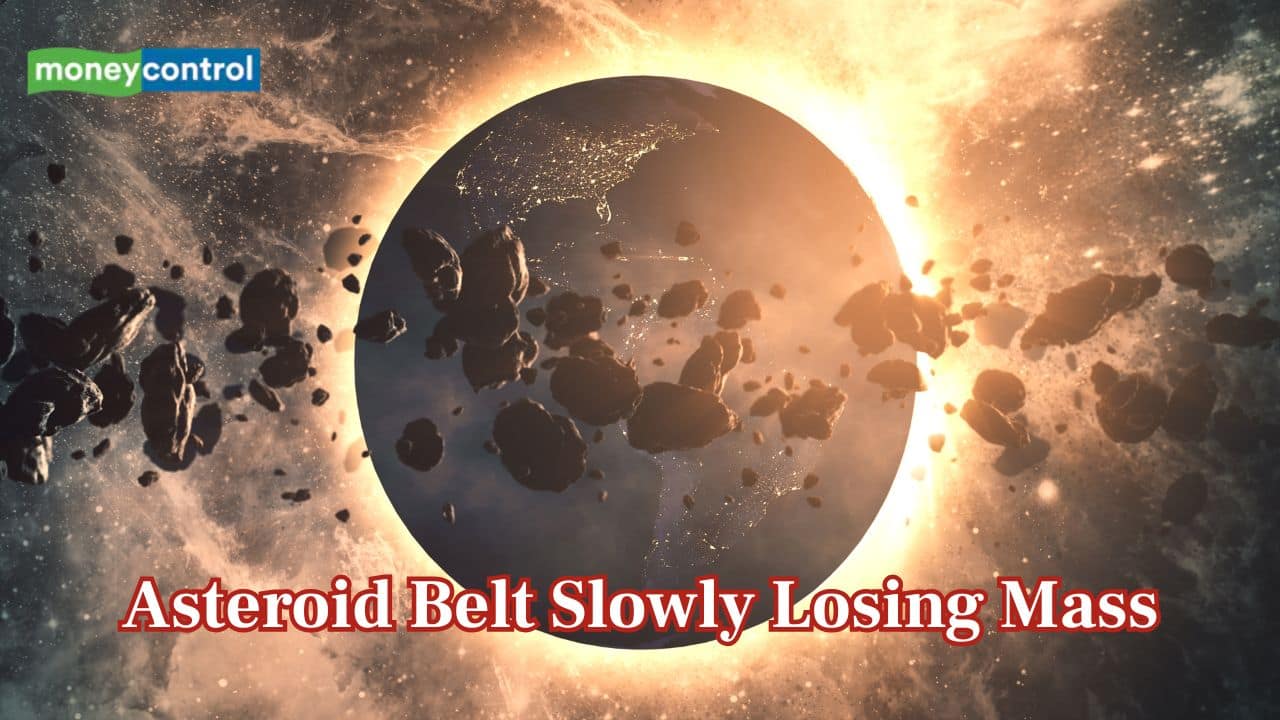
Asteroid belt in our Solar System is fading, scientists uncover startling mass loss
The asteroid belt may seem permanent, but it is far from static. Its slow decline reveals a more violent past when more material collided with Earth and the Moon.
SCIENCE
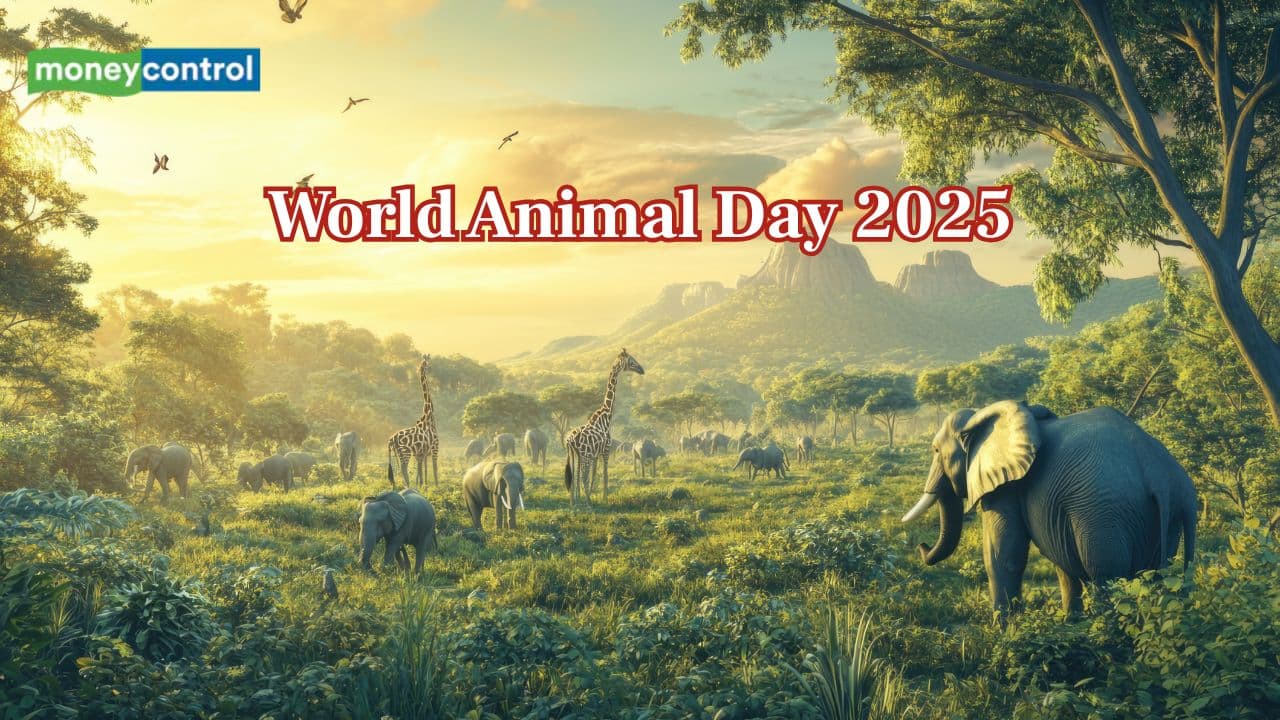
World Animal Day 2025: Date, theme, history and global significance
The first World Animal Day was held in 1925 by Heinrich Zimmermann, a German writer and activist. Zimmermann wanted to promote animal rights and inspire global action.
SCIENCE
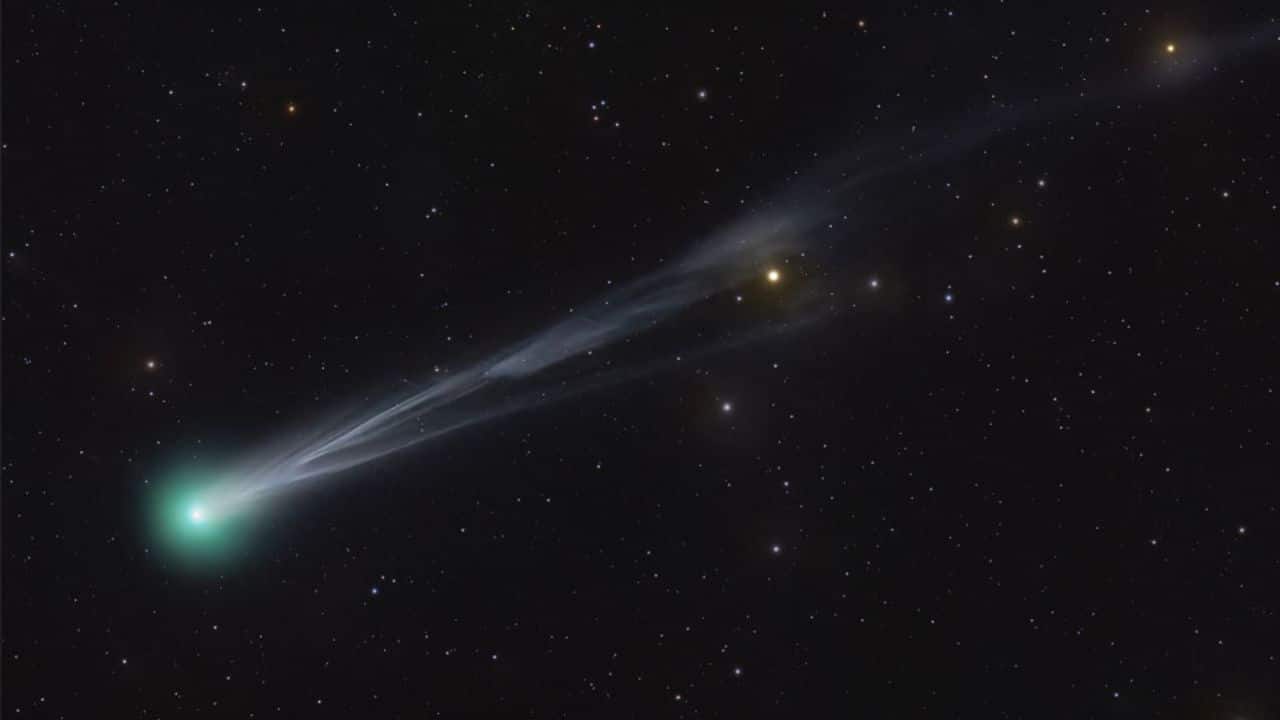
Don't miss it! Newly discovered emerald-green Comet Lemmon to be visible with naked eye soon
Comet C/2025 A6, known as Lemmon, is a nonperiodic comet with an orbital period of around 1,350 years. Most of its time is spent in the distant Oort Cloud, a region filled with icy objects on the solar system’s edge.
SCIENCE
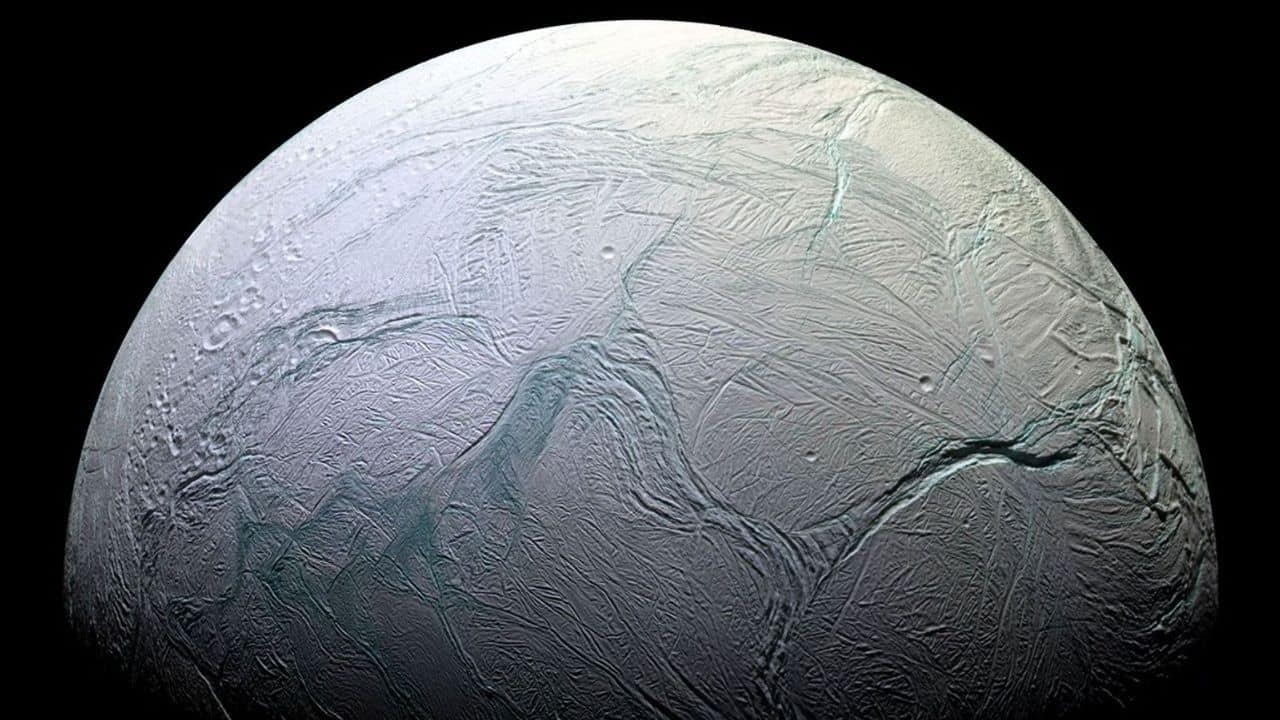
Strongest evidence of life found on Saturn’s icy moon Enceladus, scientists reveal
Astronomers have confirmed that essential molecular building blocks for life are present on Saturn’s moon Enceladus.
SCIENCE
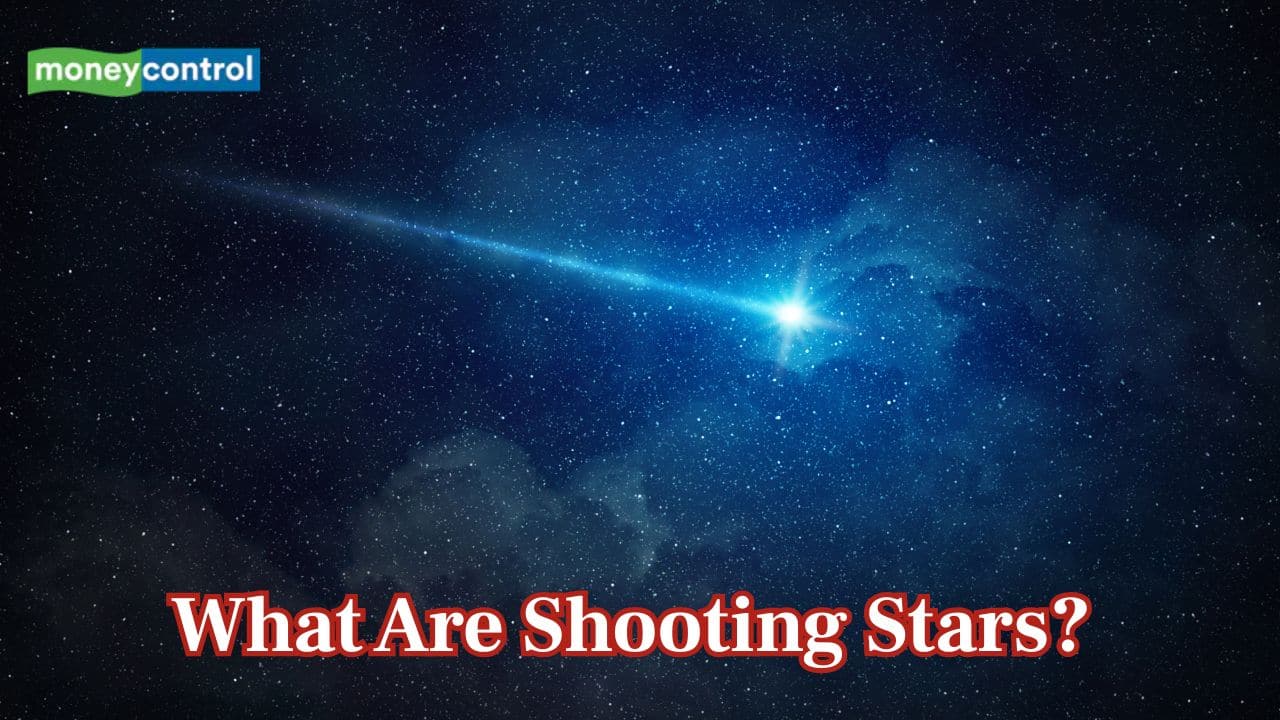
What are shooting stars? The truth behind the spark in the sky
They flash across the night sky in seconds, sparking wishes and wonder. But these mysterious streaks hold far more secrets than their fleeting glow suggests.
SCIENCE
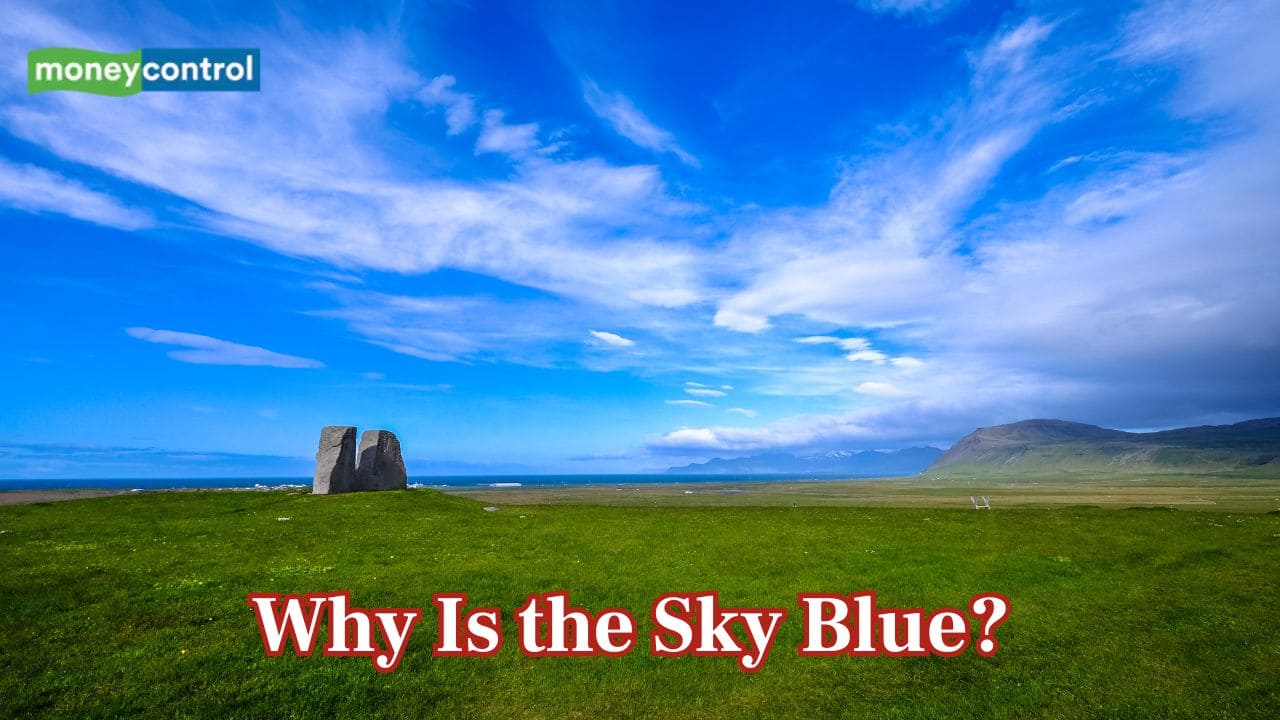
Why is the sky blue? The simple science explained for kids
Have you ever looked up and wondered why the sky wears a shade of blue? The answer lies in a fascinating science hiding above us.
SCIENCE
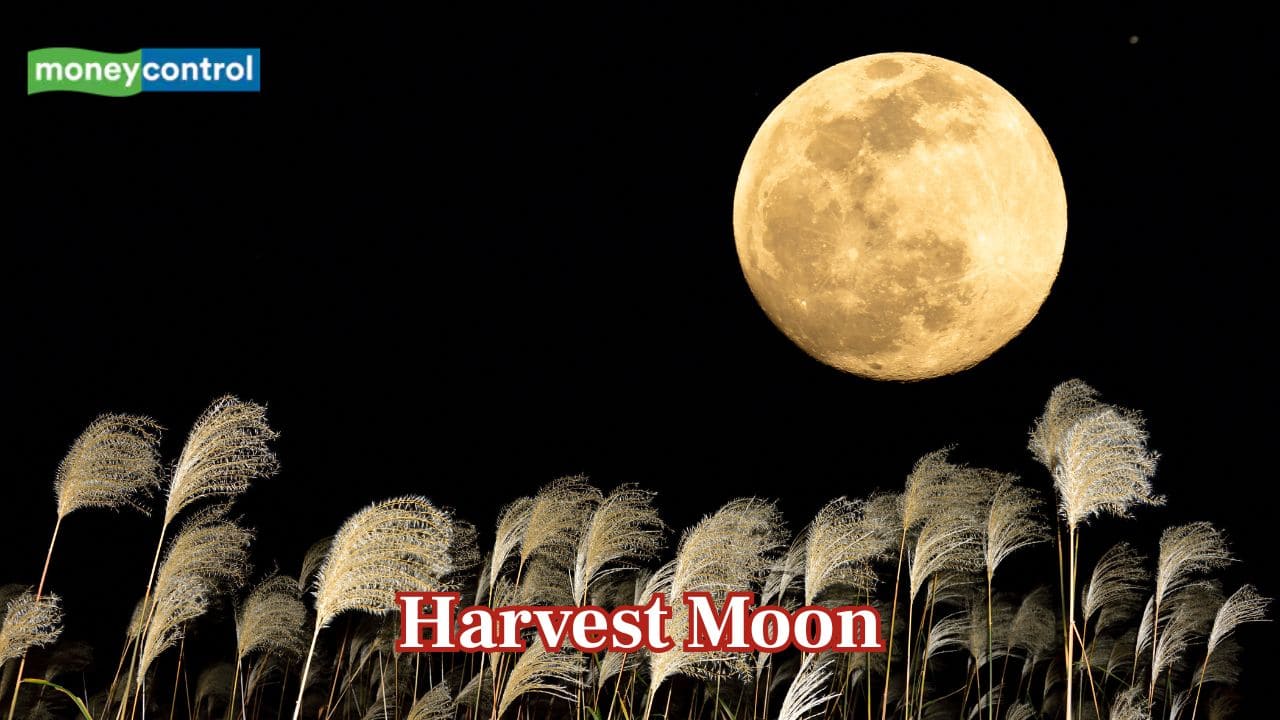
October 2025 Supermoon: When, where and how to watch in India
The Harvest Moon is the full moon closest to the September equinox. It rises near sunset and appears at nearly the same time on consecutive nights.

SCIENCE
Axiom Space launches ‘Project Astronaut’ to redefine the era of spaceflight training — Here’s all you need to know
By integrating physiological optimisation into standard astronaut training, Axiom hopes to uncover new insights into how the human body responds before, during, and after space missions.
SCIENCE
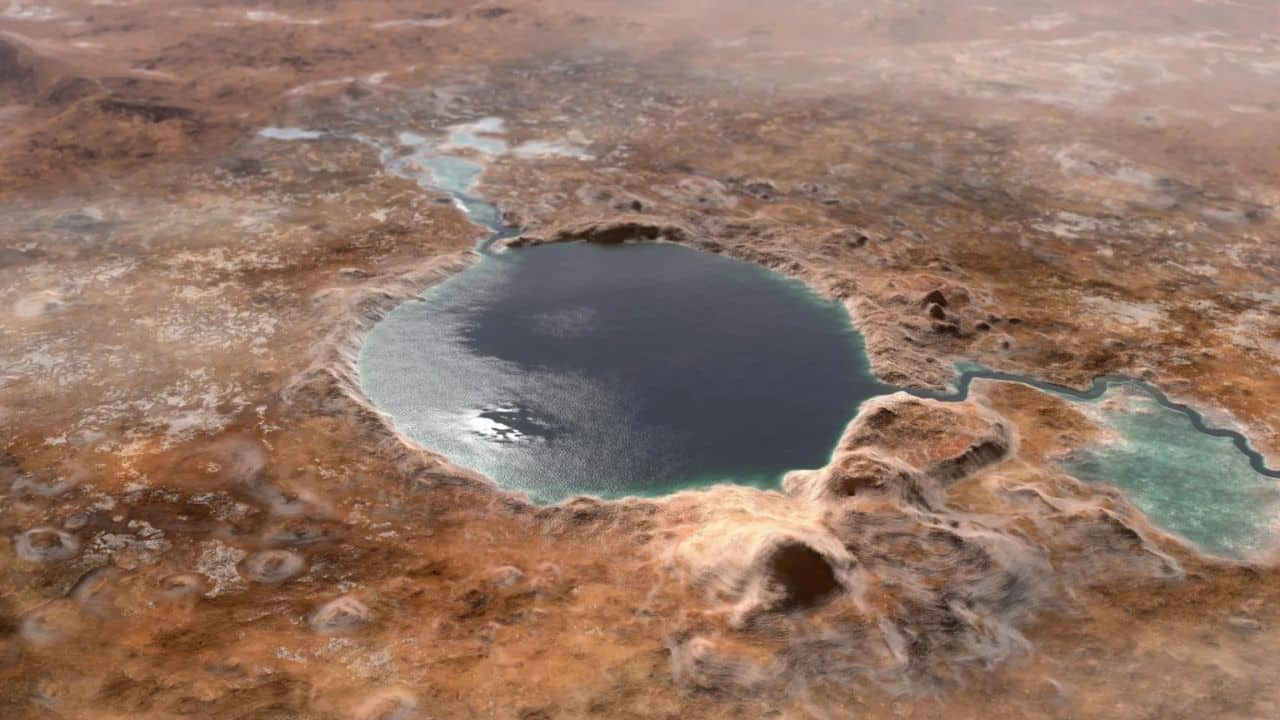
Strongest signs of life on Mars discovered, study suggests ancient microbes thrived on Martian surface
Since 2021, NASA’s Perseverance rover has explored Jezero Crater, a site chosen because it once hosted a lake and river delta. Its mission is to collect rock and soil samples that might reveal traces of ancient life.
SCIENCE
Comet 3I/ATLAS may be alien probe as it is larger than expected, says Harvard scientists
The object, named 3I/ATLAS, was first spotted by NASA on 1 July 2025. It is only the third confirmed interstellar visitor after ‘Oumuamua in 2017 and 2I/Borisov in 2019. Classified as a comet, 3I/ATLAS has unusual motion that has drawn global scientific attention.
SCIENCE
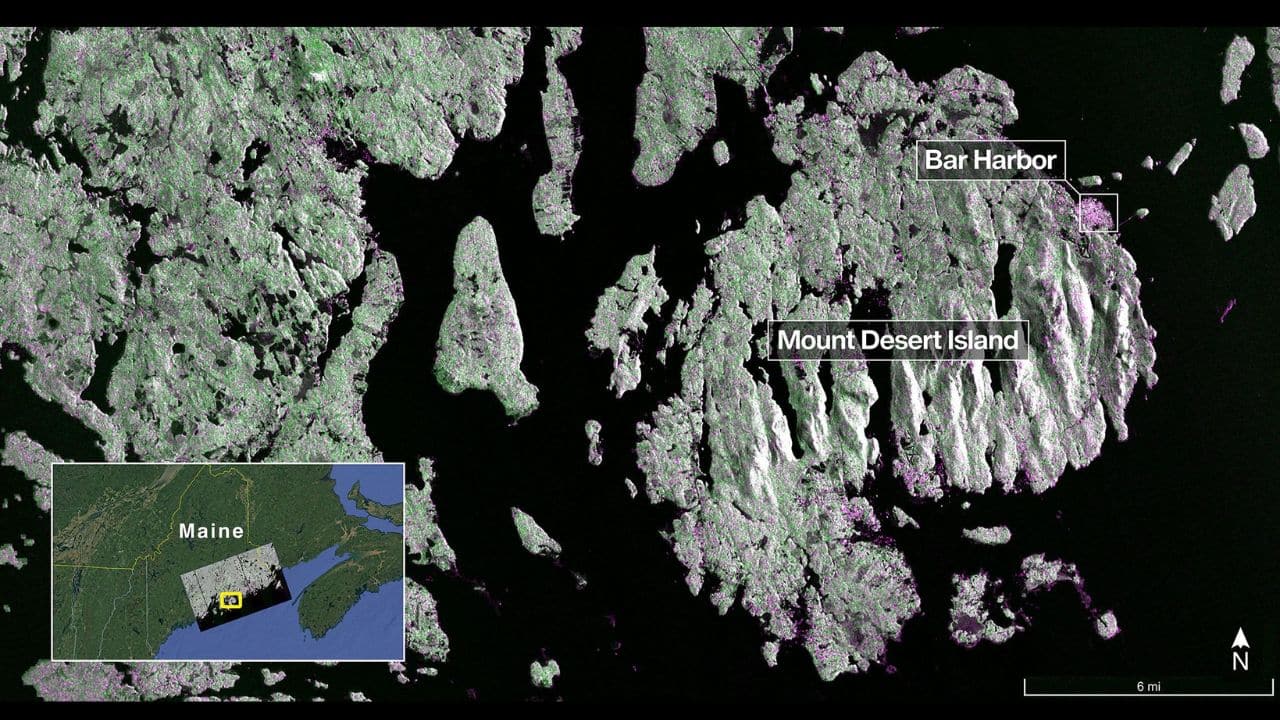
NASA-ISRO’s NISAR satellite captures first image of Earth’s surface, revealing Mount Desert island
NASA and ISRO’s NISAR satellite has captured its first radar image of Earth, promising sharper insights into land movement, climate change, ecosystems, and disaster response.
SCIENCE
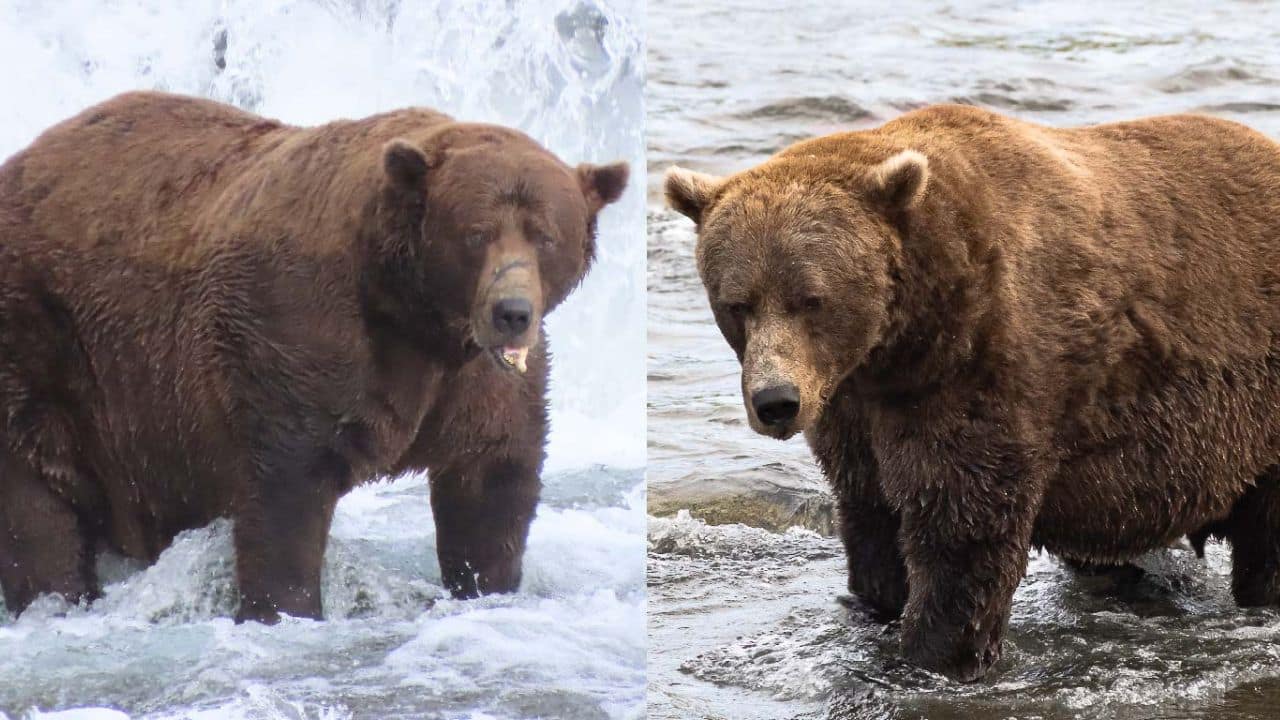
1,200-pound brown bear ‘chunk’ with broken jaw crowned champion of Fat Bear Week 2025
A chunky contender named Chunk, officially known as bear 32, has claimed victory in this year’s Fat Bear Week, an annual online competition celebrating Alaska’s brown bears as they bulk up before winter hibernation.
SCIENCE
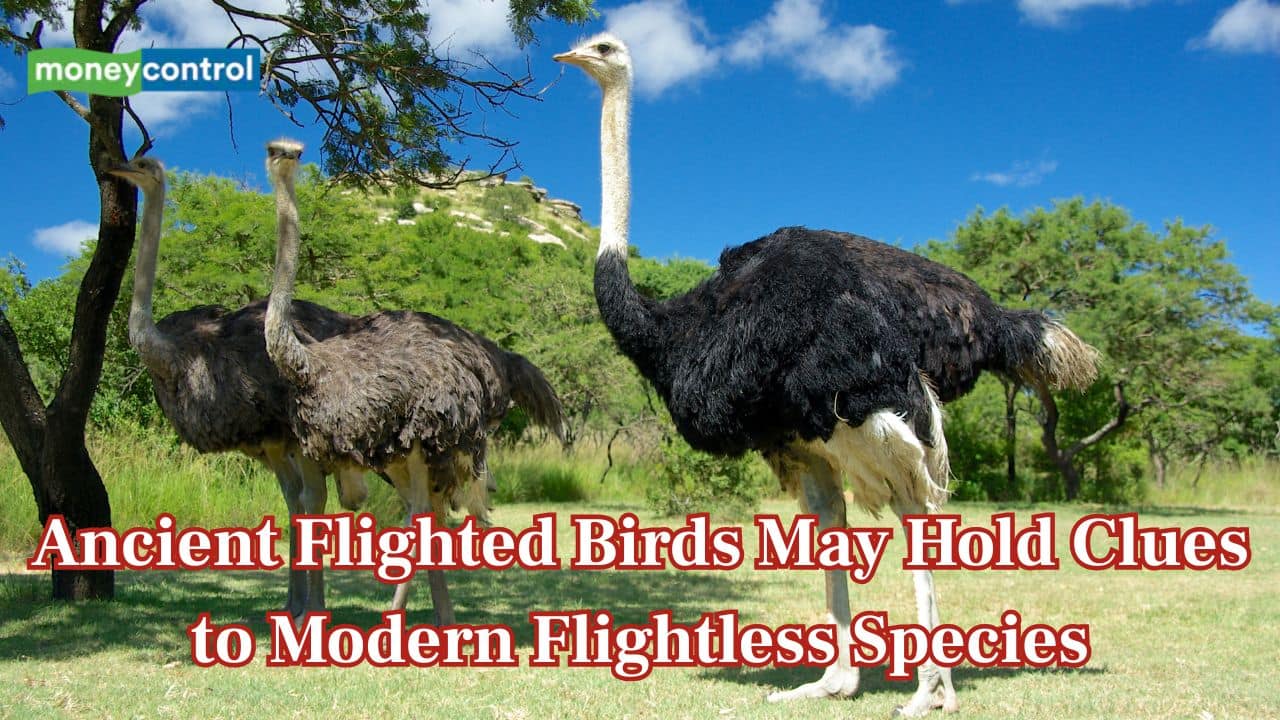
Ostriches are flightless today but their ancestors were ocean-crossing fliers, says new study
Scientists have long been mystified about how huge, flying-capable birds such as ostriches, emus and kiwis wound up on far-flung continents like Africa, Australia, and South America.

SCIENCE
As Earth gets warmer, airports set to grow noisier with rising flight pollution
New research from the University of Reading suggests that warmer air, driven by global climate change, will increase aircraft noise pollution across European cities by mid-century.
SCIENCE
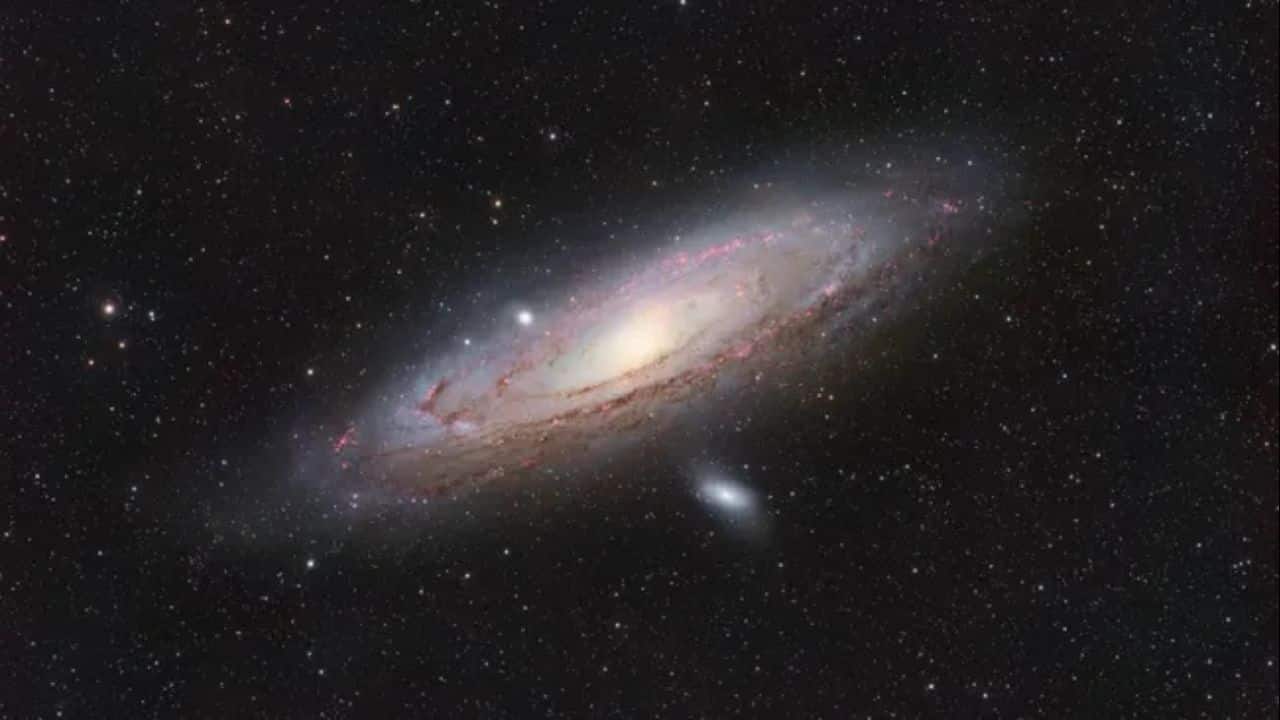
Our neighbouring galaxy Andromeda glows in a beautifully detailed astrophotography image
For decades, astronomers believed Andromeda and the Milky Way were destined to merge in about 4 billion years. But new research has cast doubt on that scenario.
SCIENCE
Rare October 'Harvest Moon' returns in 2025: When to watch and why it’s so special
The Harvest Moon is the full moon closest to the September equinox. The last October Harvest Moon was in 2020, and the next will occur in 2028.
SCIENCE
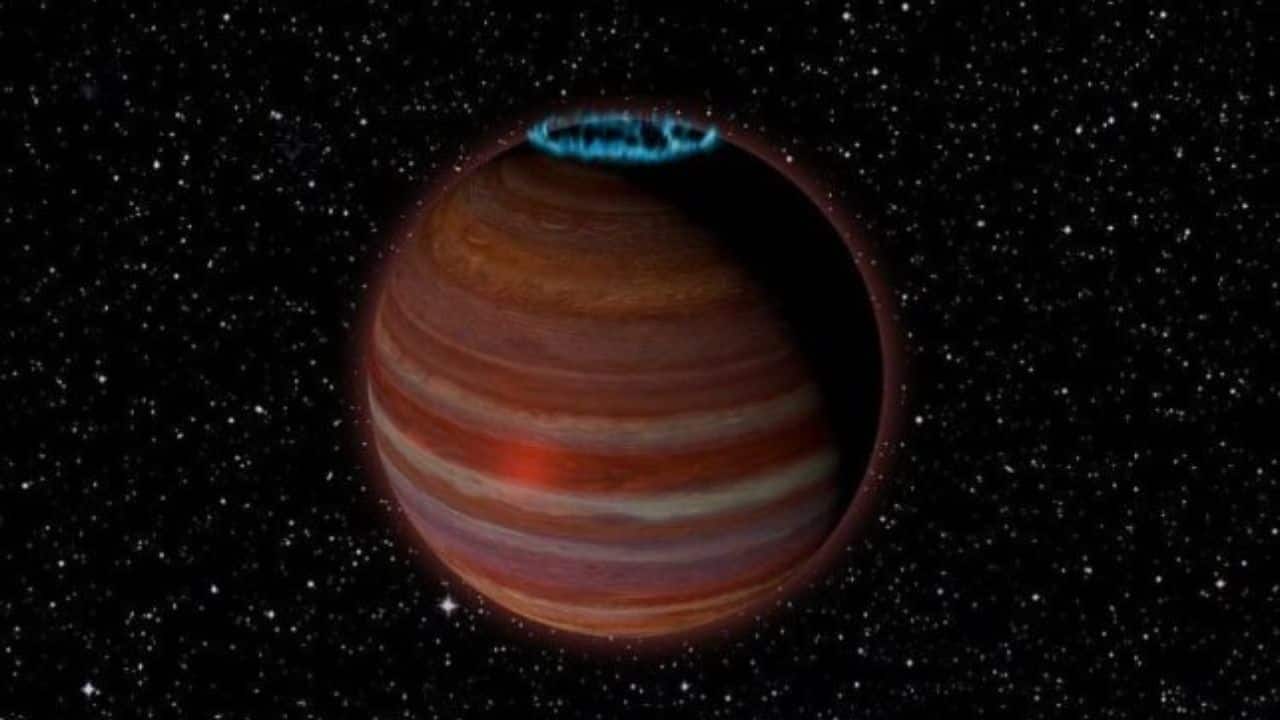
JWST spots rogue planet's atmosphere heated by stunning auroras, far from Sun
Using NASA’s James Webb Space Telescope, researchers observed auroras warming the rogue planet’s upper atmosphere.
SCIENCE
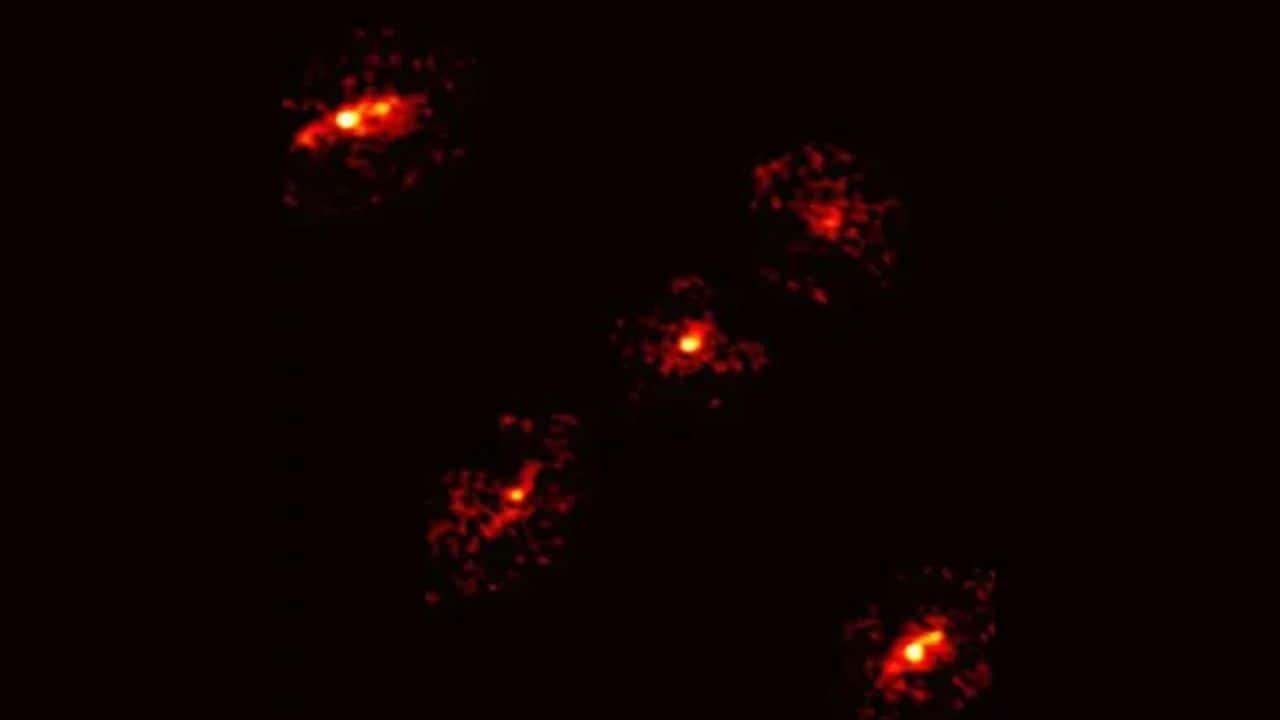
'It shouldn’t exist': Scientists stunned as rare 'Einstein cross' reveals mysterious fifth light
Astronomers have spotted a strange five-point light pattern in galaxy HerS-3, revealing a possible dark matter halo bending its light, offering new cosmic insights.
SCIENCE
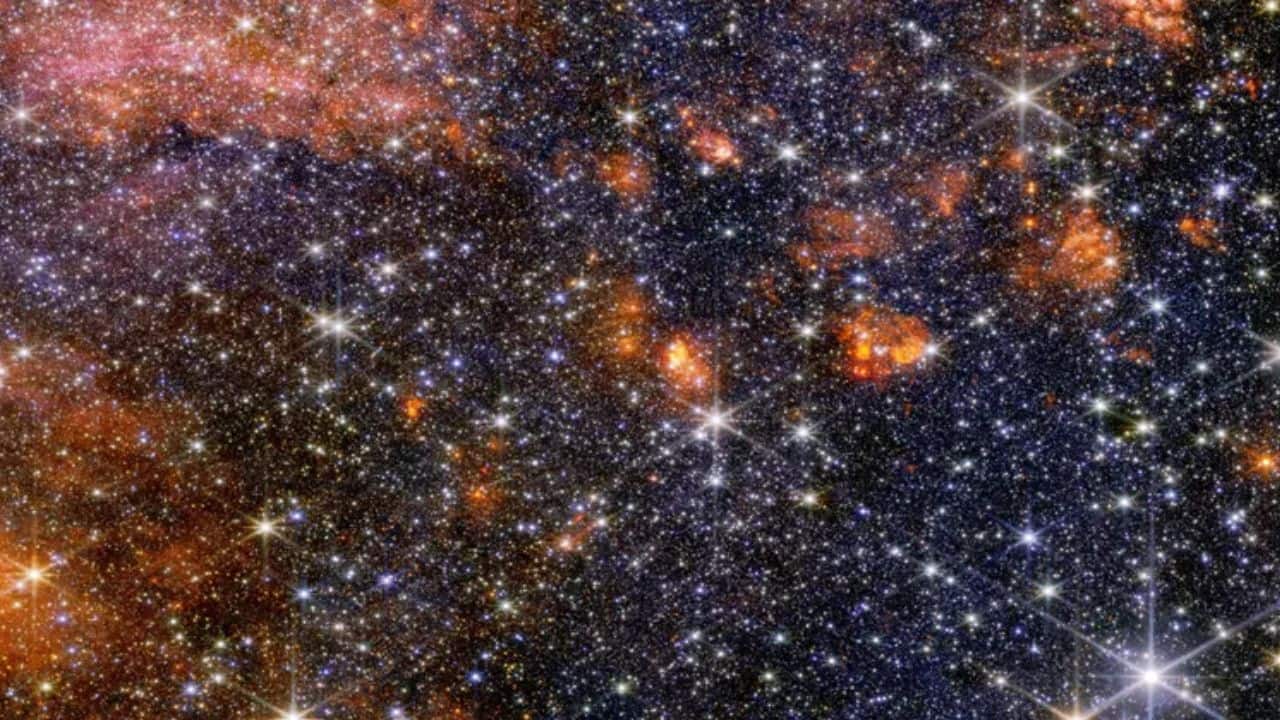
Inside Sagittarius B2: James Webb Reveals why this galactic giant breeds stars faster than anywhere else
Stars across our galaxy are born in massive molecular clouds. Among them, Sagittarius B2 stands out as the largest, sitting just a few hundred light-years from Sagittarius A*, the Milky Way’s supermassive black hole.