

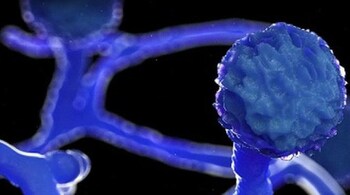
The All India Institute of Medical Sciences (AIIMS) in New Delhi has released a new set of guidelines for early detection and prevention of black fungus infection, or mucormycosis, among coronavirus patients, the latest challenge facing the country’s already overwhelmed healthcare infrastructure.
The second coronavirus wave has led to a spike in the black fungus infection, which can be fatal, especially among diabetics recovering from COVID-19. Several states, including Rajasthan and Telangana, have reported multiple cases of black fungus infection and declared it an epidemic. It has killed 90 people in Maharashtra alone.
Doctors have blamed the “irrational use” of steroids, which can exacerbate diabetes, for the disease that affects the brain, lungs and sinuses.
According to AIIMS, the following conditions make people more susceptible to contracting the infection, making them high-risk patients:
Patients with uncontrolled diabetes, diabetic ketoacidosis, diabetics on steroids or tocilizumab.
Patients on immunosuppressants or anticancer treatment or suffering from other chronic debilitating illnesses.
Patients on high-dose steroids or on long-duration of steroids, tocilizumab. Black fungus: How states are dealing with rising cases of Mucormycosis
Severe COVID-19 cases. COVID-19 compromises immunity, making recovered patients more susceptible black fungus infection.
Patients on oxygen support through nasal prongs or mask, ventilator.
How to detect mucormycosis?
COVID-19 recovered patients may develop the following symptoms:
Abnormal black discharge or crust or blood from the nose.
Nasal blockage, headache, or eye pain.
Swelling around the eyes, double vision, redness of the eye, loss of vision, difficulty in closing the eye, inability to open the eye, prominence of the eye.
Facial numbness or tingling sensation.
Difficulty in chewing or opening mouth.
Facial swelling (especially nose, cheek, around the eye) or black discolouration, hardening, and pain on touch.
Loosening of teeth. Black areas and swelling inside the mouth, palate, teeth, or nose.
What to do if patient develops black fungus symptoms?
Immediate consultation with ENT doctor, ophthalmologist, or the doctor treating the patient.
Strict control and monitoring of blood sugar in diabetics.
Regular medications and follow-up for other comorbidities.
No self-medication with steroids or antibiotics or antifungal drugs.
MRI or CT scan with contrast paranasal sinuses and orbit, if needed, on doctor’s advice.
Discover the latest Business News, Sensex, and Nifty updates. Obtain Personal Finance insights, tax queries, and expert opinions on Moneycontrol or download the Moneycontrol App to stay updated!





