

India’s death toll from Covid-19 has crossed 1 lakh, another grim milestone, with the country reporting 64,73,544 coronavirus cases, so far.
India’s caseload is second only to the United States and for several days, it has been reporting the highest daily infections for any country in the world. There are signs that the infections could be slowing down but it is too early to celebrate.
It is the days ahead that have the Centre and states worried as the fifth phase of rolling back of restrictions runs into the festival season that also marks the onset of winter, when a possible surge in infections can’t be ruled out.
SARS-CoV-2 is a new virus and it is not known how it will behave in winter but other coronaviruses are known to spread more easily in the season as cold and dry conditions allow them to survive longer in the air.
The festival season will begin with Navaratri when people come out in large numbers to shop and celebrate, making social distancing difficult. Diwali is one of the biggest Hindu festivals but there are concerns about spread of the infection.
The virus that is now known to cause a series of illnesses spreads from person to person through small droplets from the nose or mouth when an infected person sneezes, coughs, exhales or even talks loudly.
Track this LIVE blog for all the latest updates on coronavirus pandemic
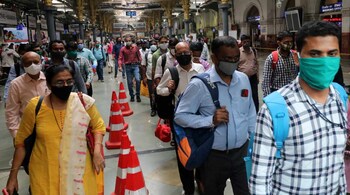
Using face masks, maintaining hand hygiene and physical distancing has become imperative. As India has eased lockdown restrictions, these norms, especially masks and social distancing, are being flouted.
The other concern is that more severe Covid-19 cases, which require ICU beds and ventilators, are being reported. There is also an increase in number of non-Covid and emergency cases. These together will put huge pressure on critical care infrastructure, which is limited and mostly concentrated in big cities.
Director of Delhi-based All India Institute of Medical Sciences (AIIMS) Randeep Guleria recently said while the number of cases his hospital was seeing had reduced the cases were more serious in nature.
With a vaccine at least three months away, it will not be easy for governments to curb the spread of infections. There is a growing sense of fatigue after almost seven months of restrictions. People want their normal lives back but this is a critical phase and India can’t afford to let its guard down, as a late surge can be fatal.
Here are a few things that can help:
Mask up: Enforcement may be a bad word but there is no other option, people should be fined if they are found not wearing masks in public.
Protect high-risk people: The elderly and people with co-morbidities are at the highest risk of infection. They should be protected.
Test, test, more tests: Testing has definitely gone up but it needs to be expanded. Testing, tracing and isolation have to continue.
Expand ICU bed capacity: Every major city is facing a shortage of ICU beds and oxygen, the government needs to fix this ahead of the winter.
Stock up antivirals: States should plan ahead on the need of antivirals and other drugs used in the treatment of Covid-19.
Awareness: The government is talking about launching a behaviorial change programme but the awareness on wearing mask correctly, maintaining distance and hygiene is still low. This needs immediate attention.
Discover the latest Business News, Sensex, and Nifty updates. Obtain Personal Finance insights, tax queries, and expert opinions on Moneycontrol or download the Moneycontrol App to stay updated!





