-
My Account











What causes bloating? From IBS to small intestinal bacterial overgrowth, know everything
Bloating is characterised by abdominal fullness, tightness, and visible distension due to gas, altered gut motility, or fluid retention. Common causes include overeating, lactose intolerance, IBS, SIBO, hormonal changes, high-fat diets, and celiac disease. Management includes dietary modification, lifestyle changes, stress control, and simple home remedies.




1/10

Introduction to Bloating
Bloating is a common complaint which is characterised by a feeling of abdominal fullness and tightness. Visible distension is another feature of bloating. This may occur because of excessive production of gas and altered motility of the gut, along with retention of fluid. (Picture Credit: Canva)
Bloating is a common complaint which is characterised by a feeling of abdominal fullness and tightness. Visible distension is another feature of bloating. This may occur because of excessive production of gas and altered motility of the gut, along with retention of fluid. (Picture Credit: Canva)
2/10

Effect of Overeating
Overeating has been found to stretch the stomach, thus slowing digestion, which leads to bloating. Symptoms like belching and abdominal discomfort are common. It can be prevented by eating smaller and frequent meals. Eating slowly and avoiding heavy meals at night may also be helpful. (Picture Credit: Canva)
Overeating has been found to stretch the stomach, thus slowing digestion, which leads to bloating. Symptoms like belching and abdominal discomfort are common. It can be prevented by eating smaller and frequent meals. Eating slowly and avoiding heavy meals at night may also be helpful. (Picture Credit: Canva)
3/10

Lactose Intolerance
People who are lactose intolerant may experience bloating as well. A deficiency of the enzyme lactase can cause the ingested lactose to remain undigested. It may be accompanied by abdominal cramps and flatulence after dairy intake. Some may have diarrhea as well. (Picture Credit: Canva)
People who are lactose intolerant may experience bloating as well. A deficiency of the enzyme lactase can cause the ingested lactose to remain undigested. It may be accompanied by abdominal cramps and flatulence after dairy intake. Some may have diarrhea as well. (Picture Credit: Canva)
4/10
Irritable Bowel Syndrome
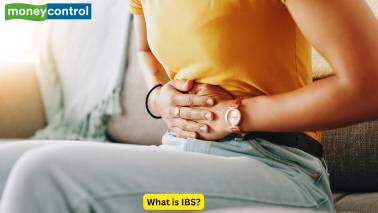
IBS, also called irritable bowel syndrome, causes a change in the motility of the gastrointestinal tract and leads to visceral hypersensitivity. People with IBS often notice bloating and abdominal pain, along with constipation or diarrhea. Stress management and fibre regulation can aid in dealing with this. (Picture Credit: Canva)
IBS, also called irritable bowel syndrome, causes a change in the motility of the gastrointestinal tract and leads to visceral hypersensitivity. People with IBS often notice bloating and abdominal pain, along with constipation or diarrhea. Stress management and fibre regulation can aid in dealing with this. (Picture Credit: Canva)
5/10

Small Intestinal Bacterial Overgrowth
Small intestinal bacterial overgrowth is a result of excessive bacteria fermenting nutrients in the small intestine. Symptoms like bloating and diarrhea are common. The treatment involves antibiotics and probiotics, and correcting the underlying causes that lead to this condition. (Picture Credit: Canva)
Small intestinal bacterial overgrowth is a result of excessive bacteria fermenting nutrients in the small intestine. Symptoms like bloating and diarrhea are common. The treatment involves antibiotics and probiotics, and correcting the underlying causes that lead to this condition. (Picture Credit: Canva)
6/10
Premenstrual Hormonal Changes
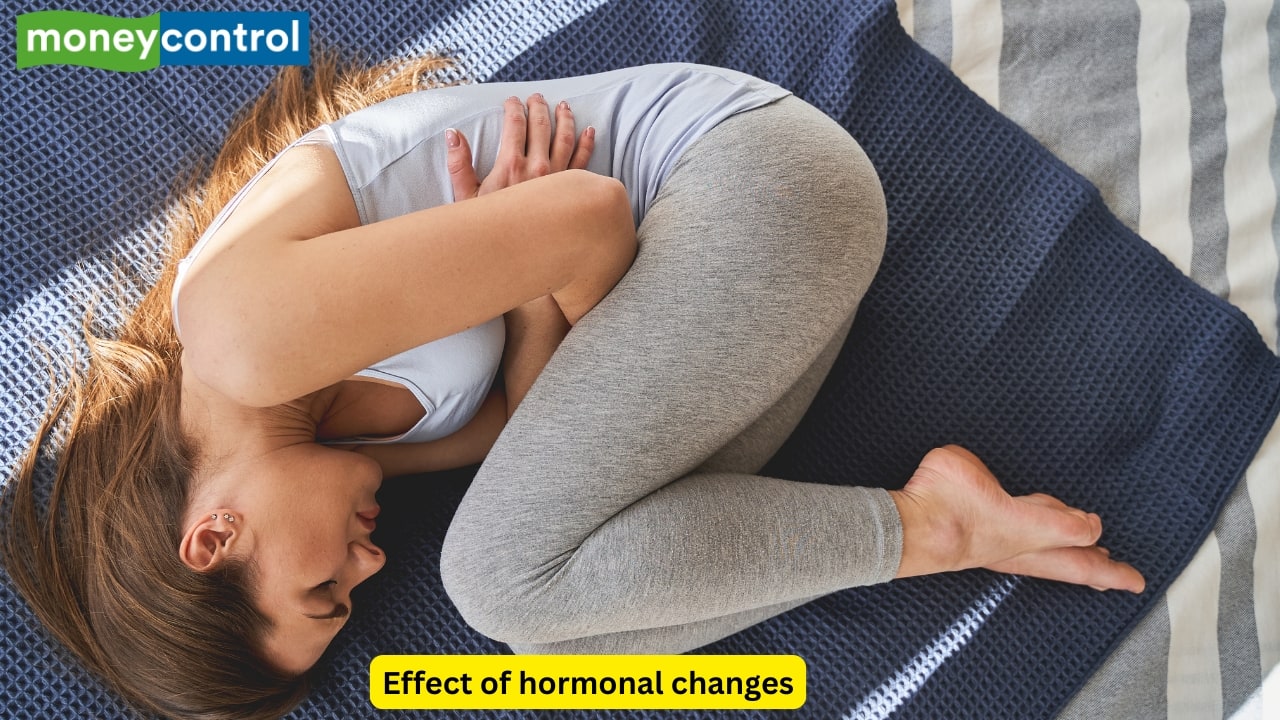
Fluctuations in the hormones during the premenstrual phase can cause fluid retention and slow gut motility. Bloating occurs as a consequence, along with breast tenderness, before menstruation. Reducing the intake of salt and exercising regularly can be helpful. (Picture Credit: Canva)
Fluctuations in the hormones during the premenstrual phase can cause fluid retention and slow gut motility. Bloating occurs as a consequence, along with breast tenderness, before menstruation. Reducing the intake of salt and exercising regularly can be helpful. (Picture Credit: Canva)
7/10

High Fat Food Intake
Excess consumption of high-fat foods may delay gastric emptying, which causes a feeling of fullness and bloating. Symptoms like heaviness, nausea, and abdominal distension are common. Opting for balanced meals and choosing adequate calorie intake may help. (Picture Credit: Canva)
Excess consumption of high-fat foods may delay gastric emptying, which causes a feeling of fullness and bloating. Symptoms like heaviness, nausea, and abdominal distension are common. Opting for balanced meals and choosing adequate calorie intake may help. (Picture Credit: Canva)
8/10
Celiac Disease
Gluten-induced damage can cause malabsorption and the formation of gas. Bloating occurs commonly in people with celiac disease, along with diarrhea. Loss of weight and anemia may also be seen in some individuals. Lifelong adherence to a gluten-free diet is necessary. (Picture Credit: Canva)
Gluten-induced damage can cause malabsorption and the formation of gas. Bloating occurs commonly in people with celiac disease, along with diarrhea. Loss of weight and anemia may also be seen in some individuals. Lifelong adherence to a gluten-free diet is necessary. (Picture Credit: Canva)
9/10

Role of Warm Beverages
Drinking warm water can aid in relaxing the intestinal muscles and also helps to improve digestion. Ginger is another home remedy used to stimulate gastric emptying. It can aid in reducing gas formation and relieve bloating. Some people use peppermint as well. (Picture Credit: Canva)
Drinking warm water can aid in relaxing the intestinal muscles and also helps to improve digestion. Ginger is another home remedy used to stimulate gastric emptying. It can aid in reducing gas formation and relieve bloating. Some people use peppermint as well. (Picture Credit: Canva)
10/10
Lifestyle and Dietary Measures
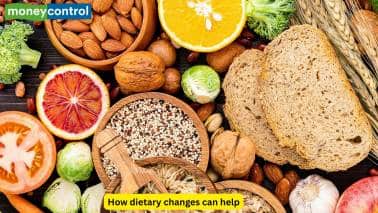
Chewing fennel seeds after meals may reduce gas and abdominal discomfort, along with improving digestion. Eating slowly and consuming small, frequent meals may be helpful as well. Maintaining a healthy lifestyle with a balanced diet and regular exercise can aid in preventing bloating. (Picture Credit: Canva) Disclaimer: This article, including health and fitness advice, only provides generic information. Don’t treat it as a substitute for qualified medical opinion. Always consult a specialist for specific health diagnosis.
Chewing fennel seeds after meals may reduce gas and abdominal discomfort, along with improving digestion. Eating slowly and consuming small, frequent meals may be helpful as well. Maintaining a healthy lifestyle with a balanced diet and regular exercise can aid in preventing bloating. (Picture Credit: Canva) Disclaimer: This article, including health and fitness advice, only provides generic information. Don’t treat it as a substitute for qualified medical opinion. Always consult a specialist for specific health diagnosis.
Discover the latest Business News, Budget 2025 News, Sensex, and Nifty updates. Obtain Personal Finance insights, tax queries, and expert opinions on Moneycontrol or download the Moneycontrol App to stay updated!



