

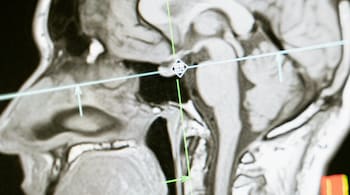
In 1969 Coventry, England, a Punjabi mother named Pritam Kaur visited doctors at a nearby hospital looking for a cure for her persistent migraines. She trusted the system and followed instructions. What she was not told, according to later accounts and investigations, was that her treatment may have placed her inside a covert medical experiment involving radiation.
Pritam Kaur was prescribed chapatis as part of what was presented as a dietary or medical recommendation. Soon after, she was taken to the Atomic Energy Research Establishment (AERE), a facility associated with nuclear research, not routine healthcare. Inside, machines surrounded her. They clicked and whirred. No one explained what they measured. No risks were discussed. No meaningful consent was given.
Also read | Are chest X-rays part of your annual check-up? Here’s why neurologist says you should skip it
At the time, Pritam was a migrant woman, navigating a foreign medical system, with cultural and language barriers that made questioning authorities difficult. She believed she was being helped. In reality, allegations later suggested that she and others like her were used in radioactive tracer experiments overseen or connected to the Medical Research Council (MRC), tests that should never have been conducted without full, informed consent.
These experiments reportedly focused on how radiation moved through the body. The subjects were not scientists or volunteers, but ordinary patients, many from immigrant or working-class backgrounds. People who trusted doctors. People who were never told the truth.
Impact of radiation on one’s health
Studies reveal that small amounts of radiation can leave a mark on the body. How much harm occurs depends on the strength of the radiation, how long someone is exposed, and the way it’s administered. Effects can appear immediately, or build gradually.
In the short term, people may feel nauseous, weak, or dizzy. Skin can get irritated, even burned, and hair might fall out in areas exposed. “Radiation doesn’t just hit the body, it can affect the nervous system too,” medical experts warn.
Also read | Deadly legacy of Chernobyl’s Elephant’s Foot revealed in after decades
Long-term impacts can be far more serious. Studies link exposure to a higher risk of cancers such as leukemia, thyroid, and breast cancer. Organs like the liver, kidneys, and bone marrow may suffer damage. Fertility issues, cataracts, and a weaker immune system are also possible, along with genetic effects that could affect future generations.
The mental toll is often overlooked. Anxiety, stress, and chronic fatigue can follow, especially when people are unaware of what’s happening to them.
Pritam Kaur’s story is not just about one woman. It exposes a moment in British history when ethics failed, when power outweighed accountability, and when vulnerable communities were treated as expendable.
Disclaimer: This article, including health and fitness advice, only provides generic information. Don’t treat it as a substitute for qualified medical opinion. Always consult a specialist for specific health diagnosis.
Discover the latest Business News, Sensex, and Nifty updates. Obtain Personal Finance insights, tax queries, and expert opinions on Moneycontrol or download the Moneycontrol App to stay updated!





