

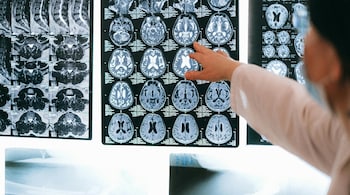
In a discovery that feels uncomfortably close to everyday life, scientists in Washington have uncovered how the brain’s chemistry can shape your habits, cravings and knee-jerk associations. It turns out that something as mundane as the smell of morning coffee might carry more neurological weight than we ever imagined.
Researchers at Georgetown University Medical Center have homed in on a protein called KCC2, a silent regulator that helps in brain’s learning. When KCC2 levels drop, even slightly, the brain’s dopamine neurons begin firing intensely. It means that the brain becomes unusually good at connecting a cue with a reward. A sound, a place, a moment in the day, all can become tightly bound to expectation.
Senior author Dr Alexey Ostroumov explains, “This is the same mechanism that addiction can hijack, warping a normal learning process into something far harder to resist.”
Also read | Neuroscientist shares 3 powerful exercises to grow new brain cells
The team’s experiments, published in Nature Communications, unfolded like a modern-day Pavlovian tale. Using rats trained to associate a brief sound with a sugar reward, the scientists were able to watch dopamine signals spark and surge. But the surprising twist came when they noticed that not just the frequency of firing mattered, the coordination of neural bursts made an enormous difference. Short, synchronised volleys of activity produced a punchy wave of dopamine, powerful enough to hard-wire learning at remarkable speed.
Dr Ostroumov says this goes a long way in explaining why seemingly innocent routines can stir up powerful pulls, why a lifelong smoker, for instance, can find a simple cup of coffee triggering a craving years after quitting.
Also read | Boost brain health: Improve memory, concentration, reduce oxidative stress with these 8 foods in daily diet
How everyday cues gain unexpected power:
KCC2 dips: Lower levels turn up dopamine firing, intensifying how quickly cues pair with rewards.Coordinated brain: It bursts supercharge learning. Even tiny, synchronised neural sparks can turbo-boost dopamine release.
Rats and craving: Their consistency on longer tasks helped researchers capture clear behavioural patterns.
Addictive substances: Drugs can interfere with KCC2, reshaping learning in ways that entrench harmful habits.
Familiar triggers: A routine, a room, a time of day can become loaded with emotional pull long after the reward is gone.
Drugs like diazepam shift neural coordination: The team found that benzodiazepines can influence the patterned firing that strengthens learning.
Lead researcher Joyce Woo, a PhD candidate in Ostroumov’s lab, notes that the project combined everything from electrophysiology and molecular analysis to computational modelling. The broader goal is to understand how the brain keeps its communication channels running smoothly, and what happens when the system slips.
If scientists can get ahead of these disruptions, or repair them once they’ve taken hold, they may open the door to better treatments for addiction, mood disorders and other conditions shaped by the brain’s reward circuitry.
Disclaimer: This article, including health and fitness advice, only provides generic information. Don’t treat it as a substitute for qualified medical opinion. Always consult a specialist for specific health diagnosis.
Discover the latest Business News, Sensex, and Nifty updates. Obtain Personal Finance insights, tax queries, and expert opinions on Moneycontrol or download the Moneycontrol App to stay updated!





