SCIENCE
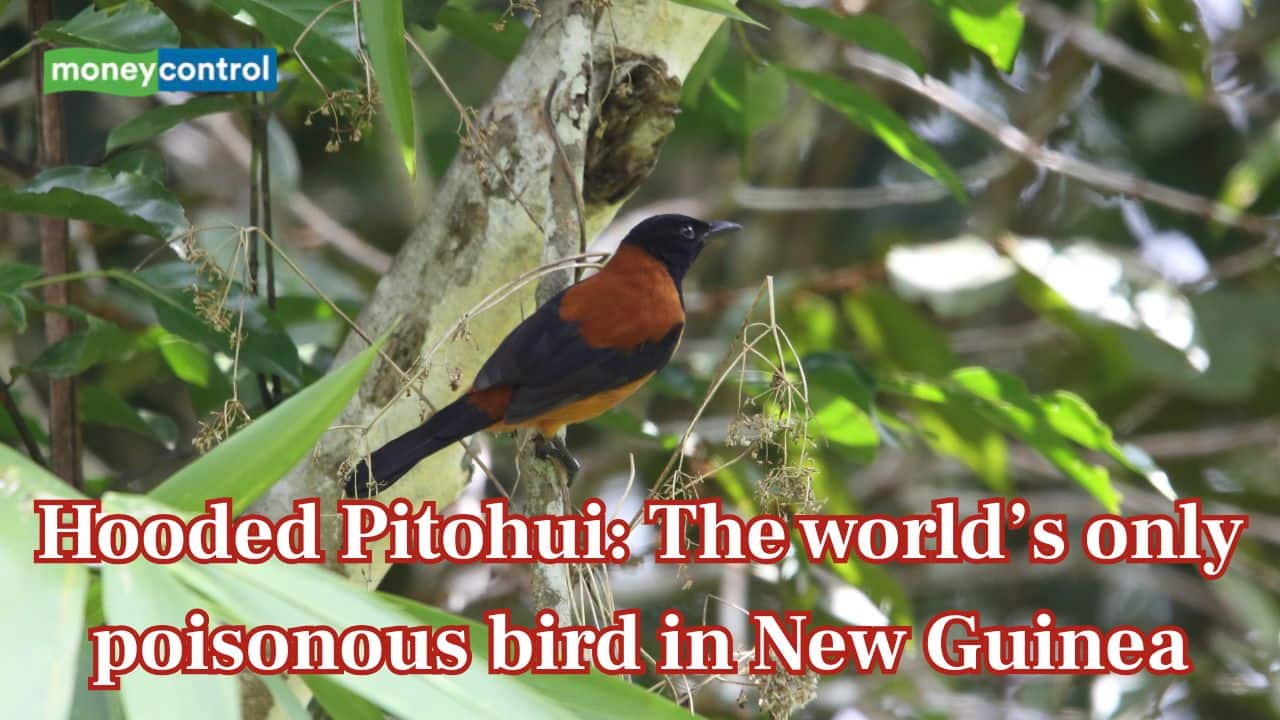
Meet the Hooded Pitohui: World’s only toxic bird in New Guinea you shouldn’t touch
The hooded pitohui’s bright plumage signals danger to predators. This strategy, called aposematism, warns attackers to stay away.
SCIENCE
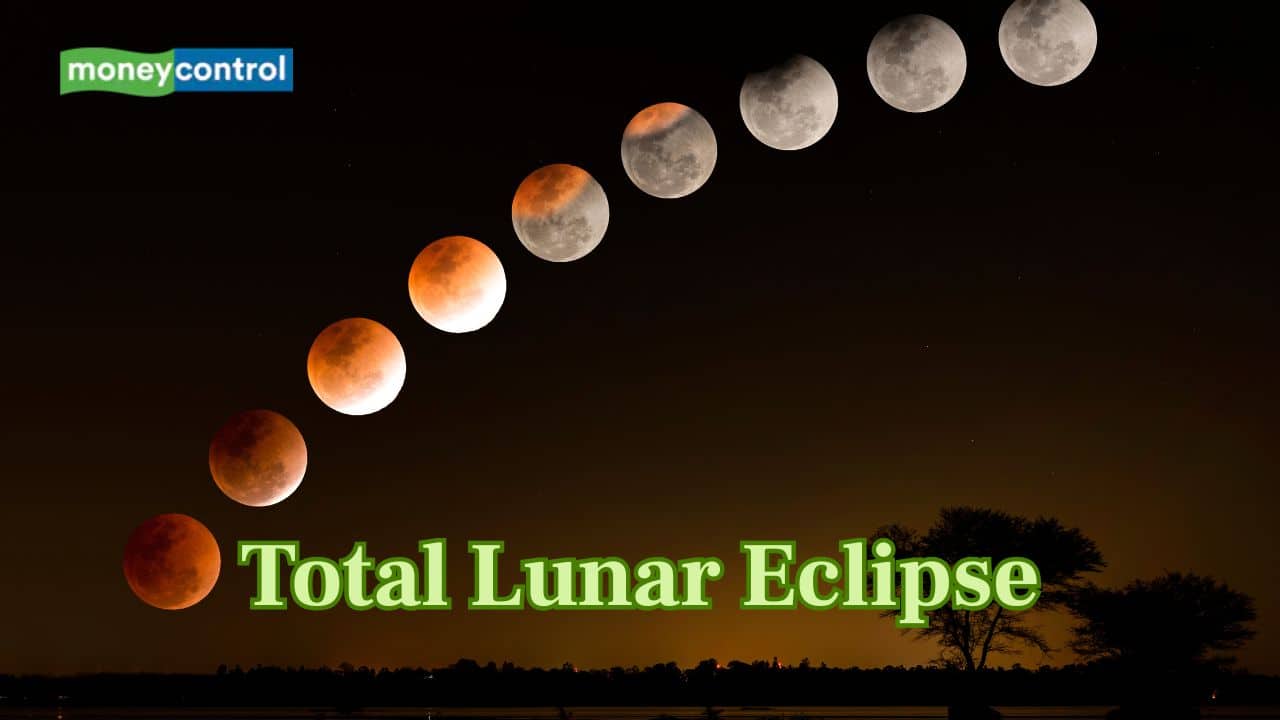
Lunar Eclipse 2025: Rare 'Blood Moon' to dazzle skies worldwide; here’s how to watch 82-Minute 'chandra grahan'
A blood moon occurs when Earth blocks direct sunlight. The planet’s shadow falls across the lunar surface completely.
SCIENCE
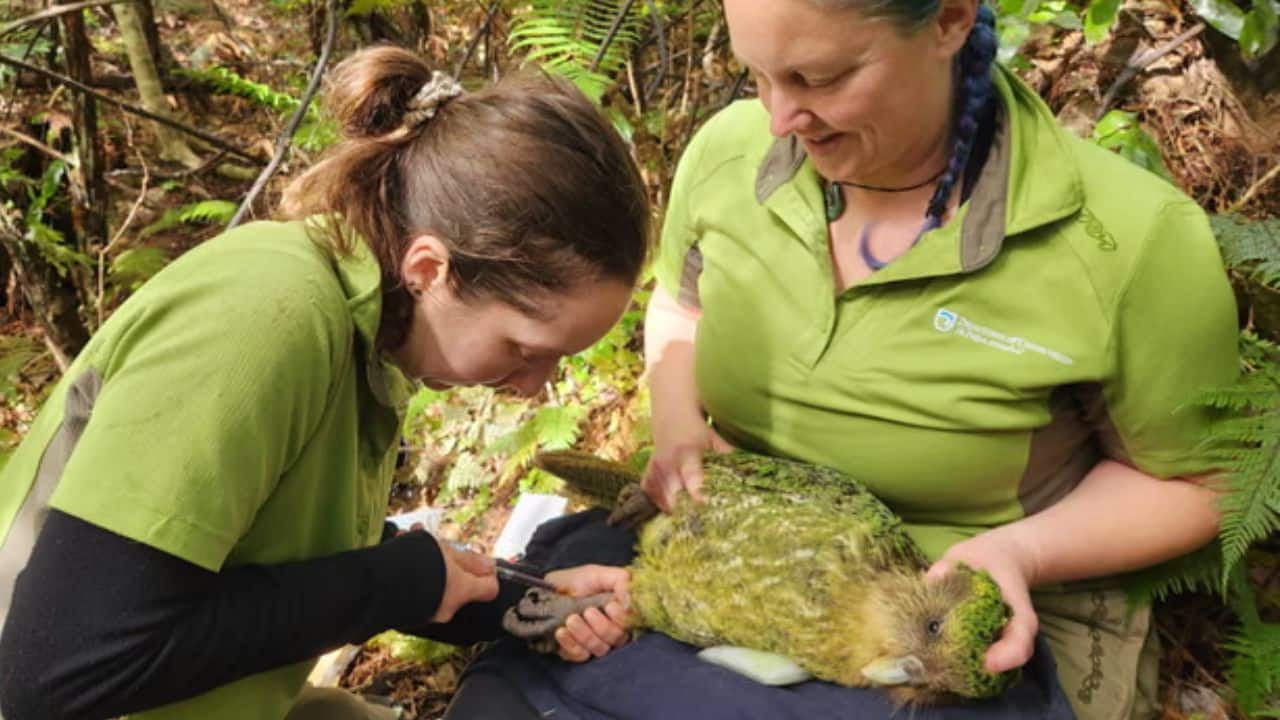
Fighting bird flu: Can New Zealand's vaccination trial protect the World's fattest and most endangered parrots?
Tens of millions of wild birds have already died worldwide. Since 2021, the H5N1 strain has devastated colonies of seabirds and marine mammals. New Zealand, however, has remained free from infection.
SCIENCE
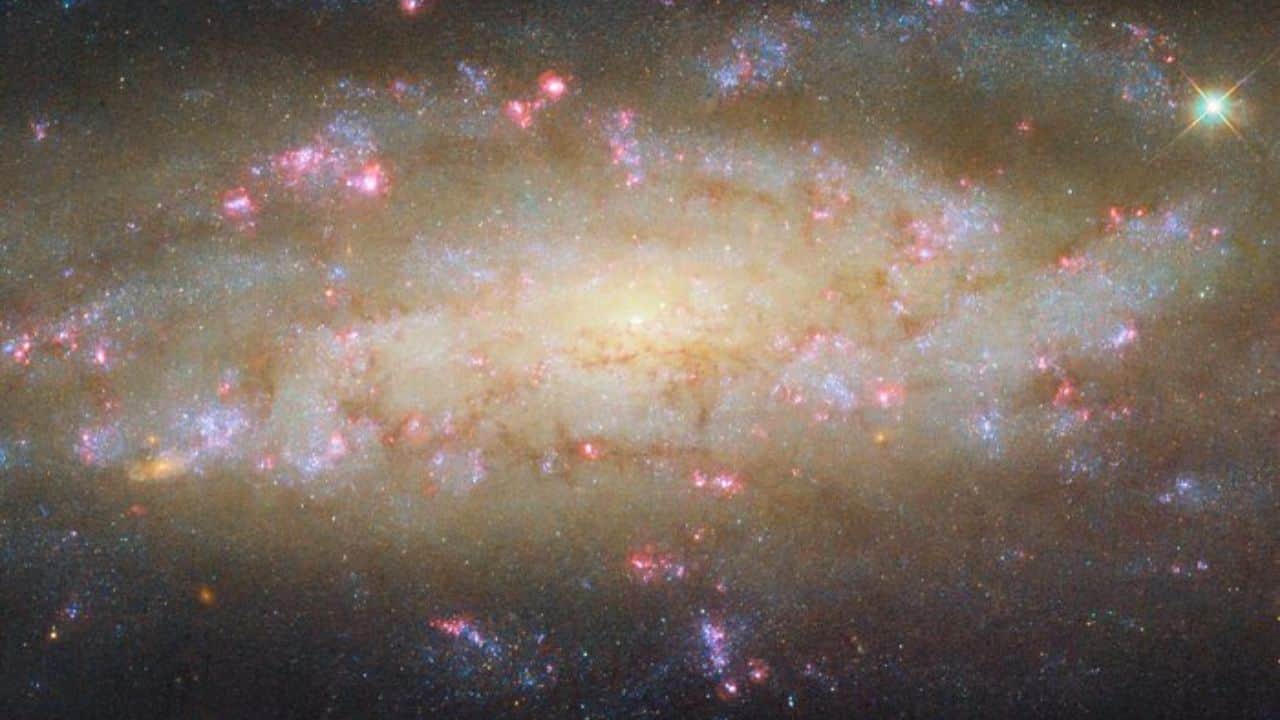
Space photo of the week: Hubble reveals striking spiral arms of galaxy NGC 7456 in stunning detail
Hubble highlights patchy spiral arms filled with dark dust. Bright pink blossoms mark gas clouds where stars are forming.
SCIENCE
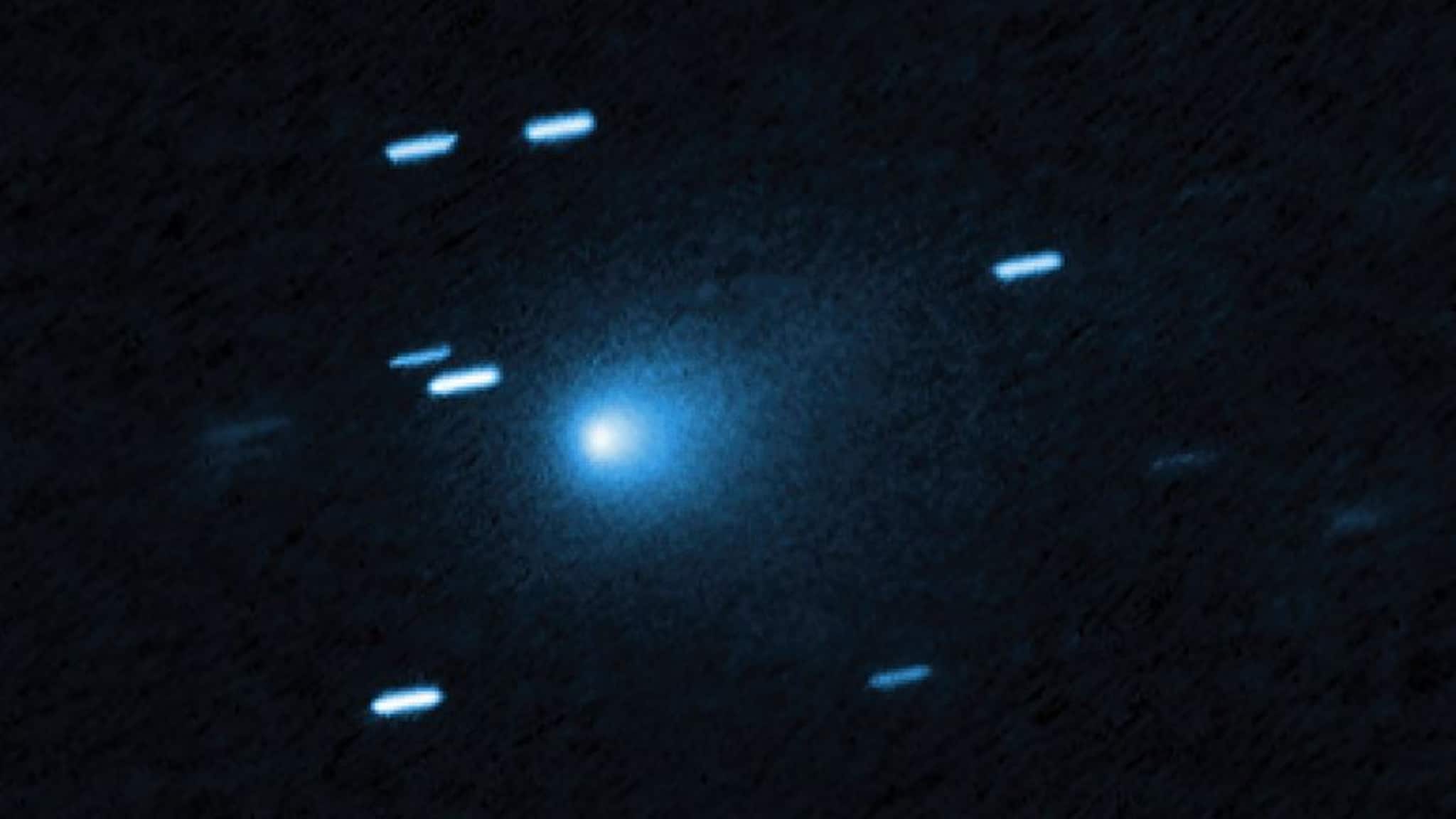
Comet 3I/ATLAS surprises astronomers with carbon dioxide-rich coma discovery
Astronomers suggest possible origins for this strange CO₂ ratio. It could have formed under intense ultraviolet radiation exposure.
SCIENCE
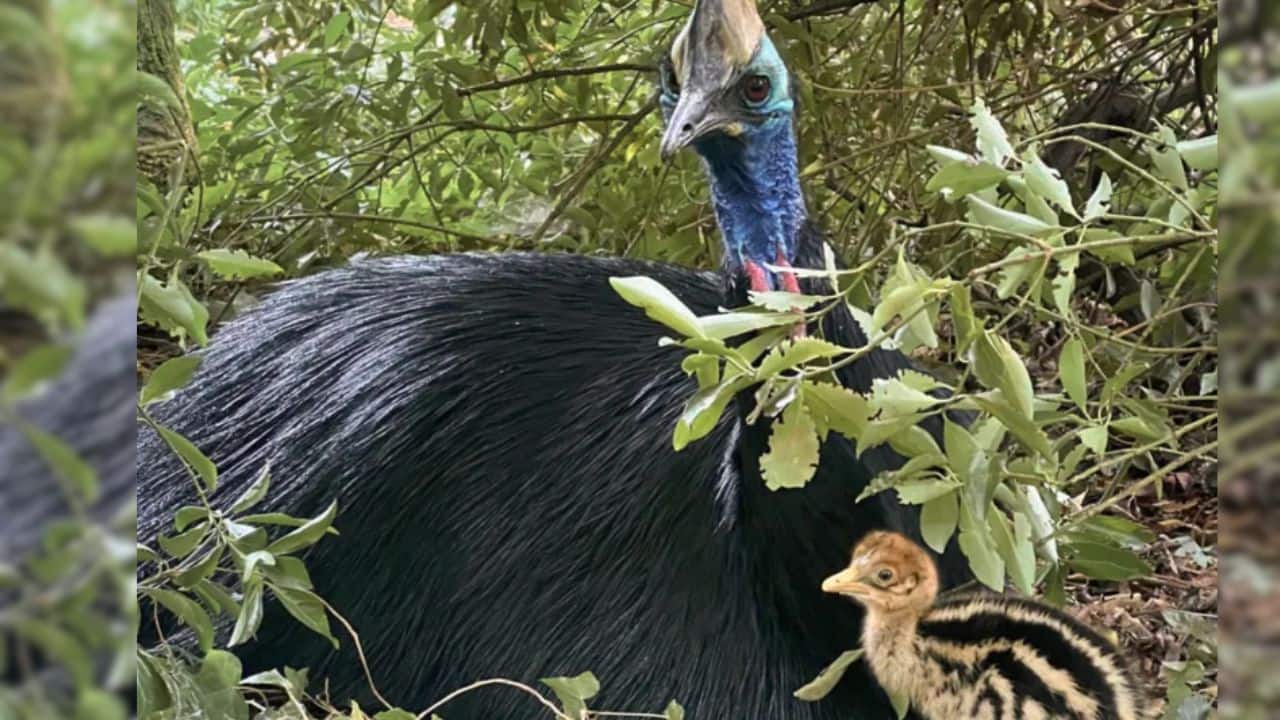
Rare cassowary chick hatches at Paignton Zoo after 21-year wait
Cassowaries are considered one of the most challenging bird species to breed and care for. Their rarity makes each successful hatching a boost for the wider European population.
SCIENCE
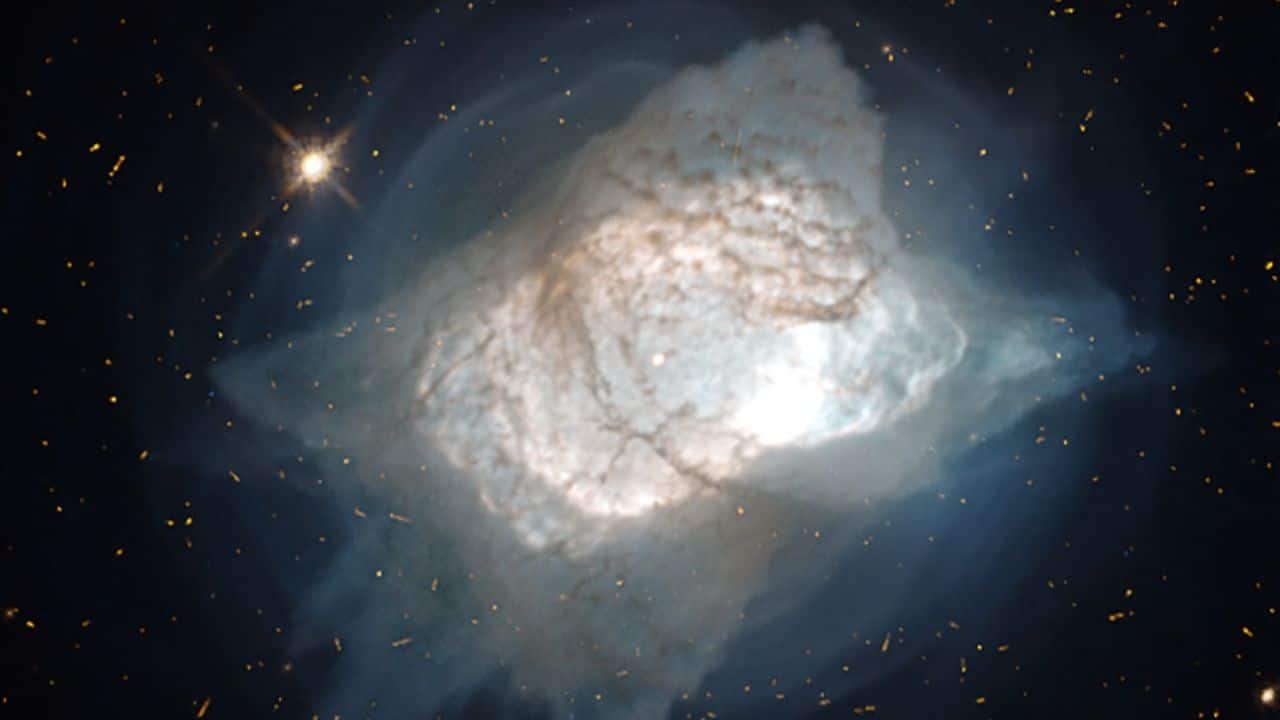
The Pillow Nebula: NASA shares the brightest stellar explosion ever recorded that stuns astronomers
Scientists say NGC 7027 began expanding around 600 years ago. Since then, it has shed shells of gas clearly seen in blue.
SCIENCE
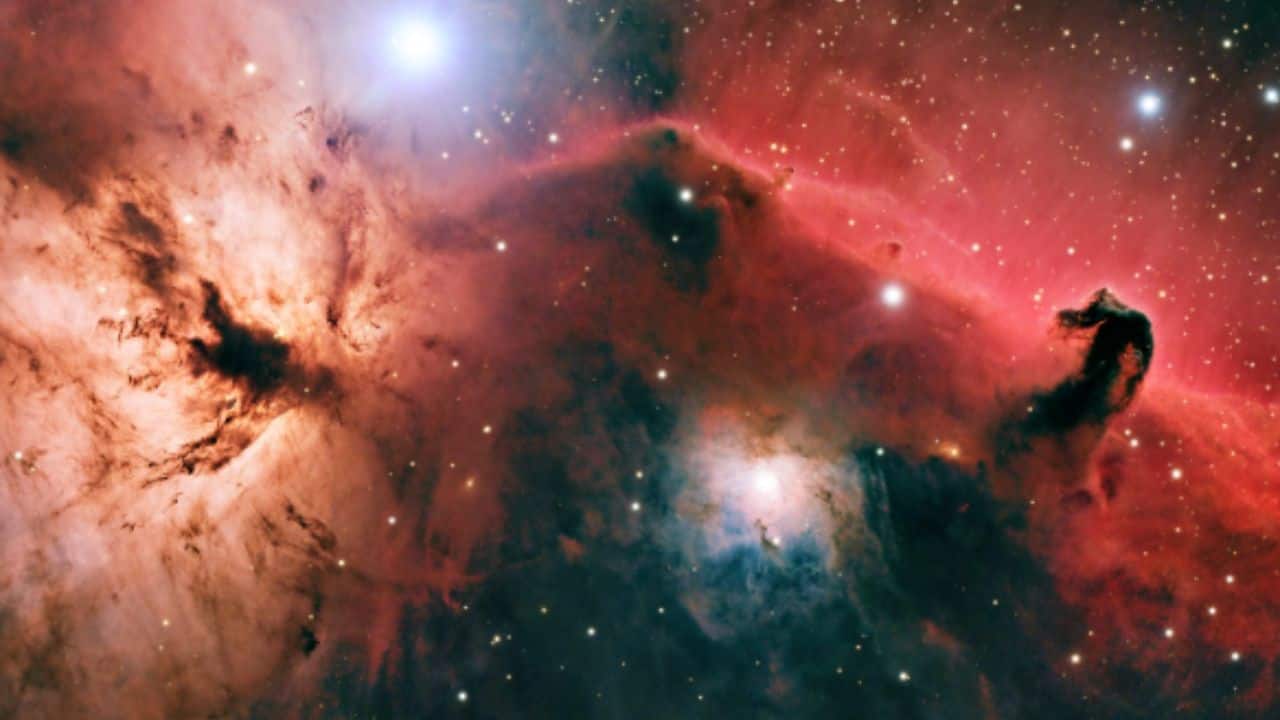
NASA's picture of the day, September 2: The beautiful Horsehead and Flame Nebulae glow in the Orion constellation
The Horsehead Nebula is one of the sky’s best known. It sits in the Orion constellation, glowing near other star fields.
SCIENCE
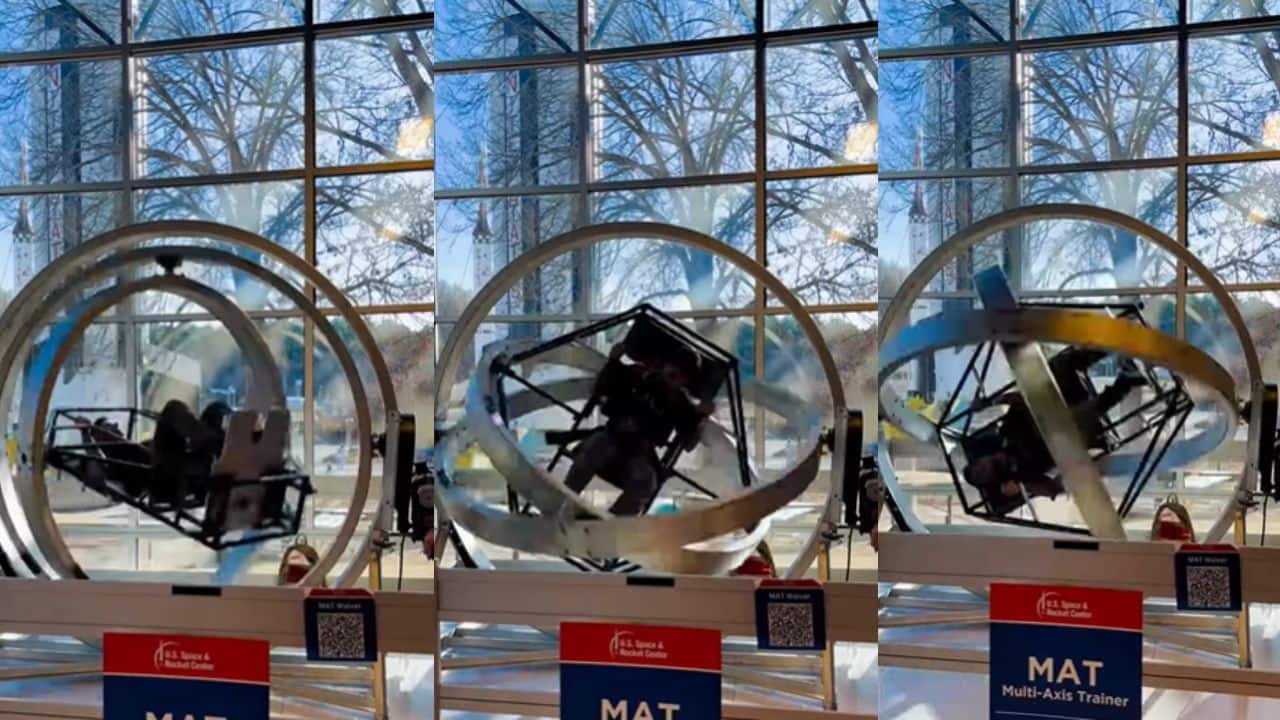
Astronaut Shubhanshu Shukla spins through NASA’s rigorous space training simulator, watch video here
Shubhanshu Shukla shared a video from the Marshall Space Flight Centre. It showed him strapped inside the Multi-Axis Trainer, also known as the Gimbal Rig or Vomit Comet Chair.
SCIENCE
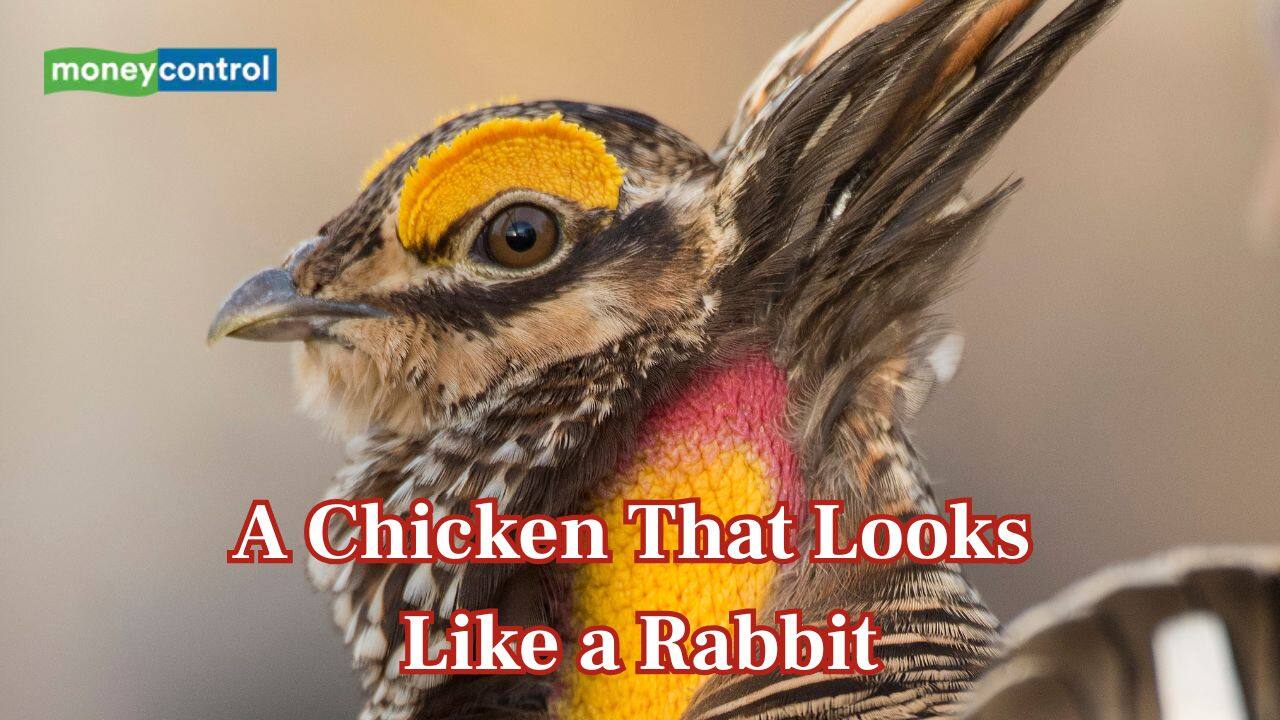
Meet Attwater’s Prairie-Chicken: The rare bird that looks surprisingly like a vibrant rabbit
This rare prairie-chicken baffles birdwatchers with its rabbit-like look. With vibrant features and surprising charm, it’s one of nature’s most unusual optical illusions.
SCIENCE
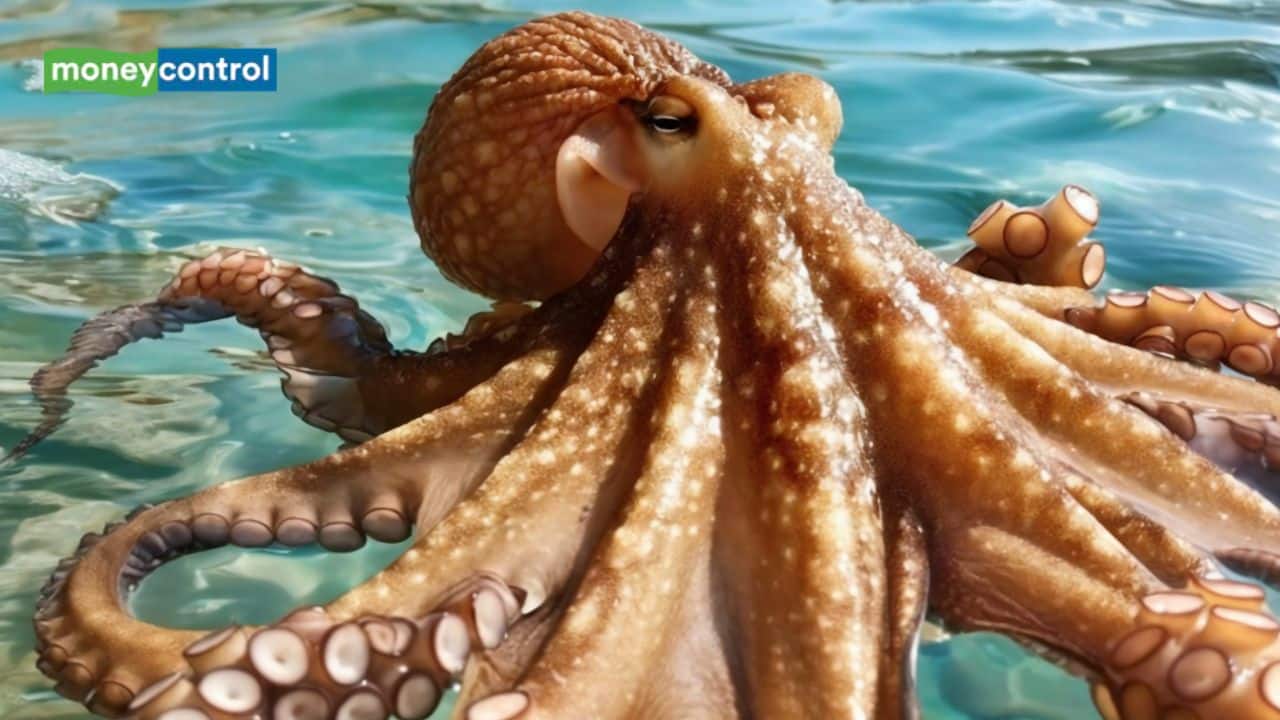
We’re killing animals smarter than Dogs’: Scientists warn of ‘octopus farming horror’
Octopuses have around 500 million neurones in their bodies. Many of these neurones are spread through their arms. This allows them to act and sense independently.
SCIENCE
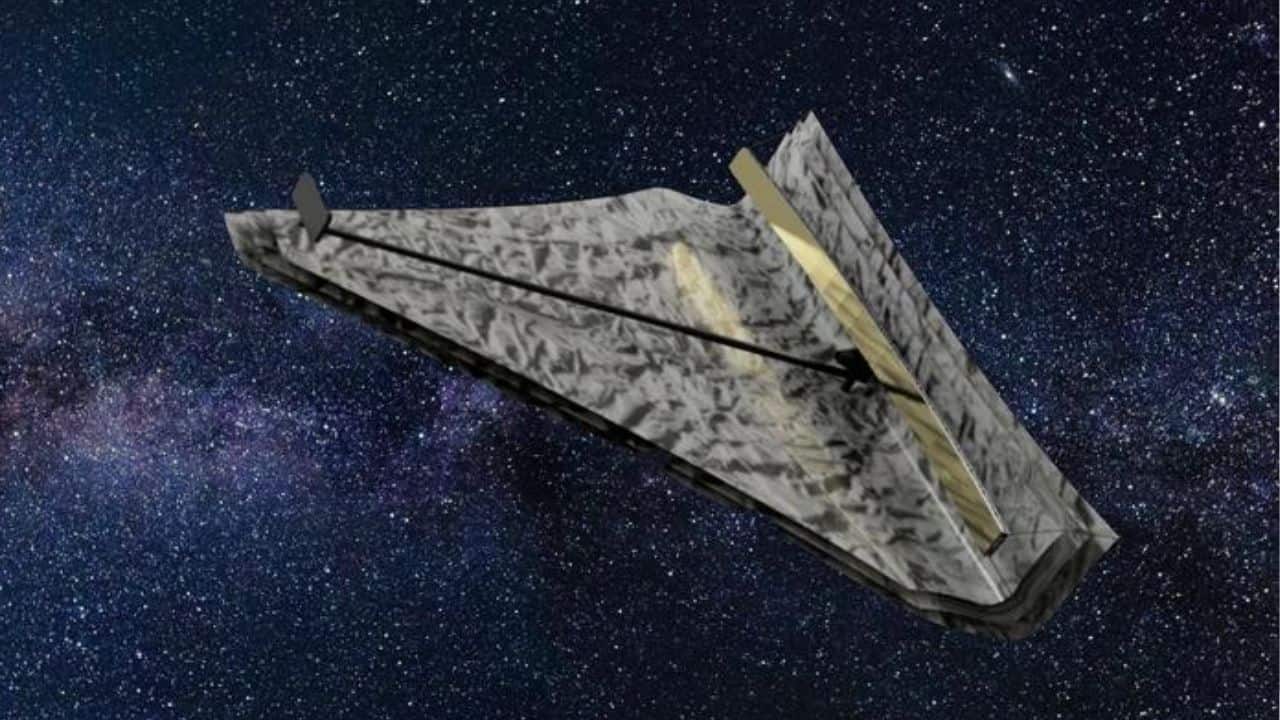
Could a rectangular telescope instead of a circular one make Earth 2.0 discovery easier? Here’s how it could change the game
Earth is the only planet known to host life. All living systems depend heavily on liquid water. While single-celled life appeared early, complex life took billions. Human existence is tiny compared to Earth’s age.
SCIENCE
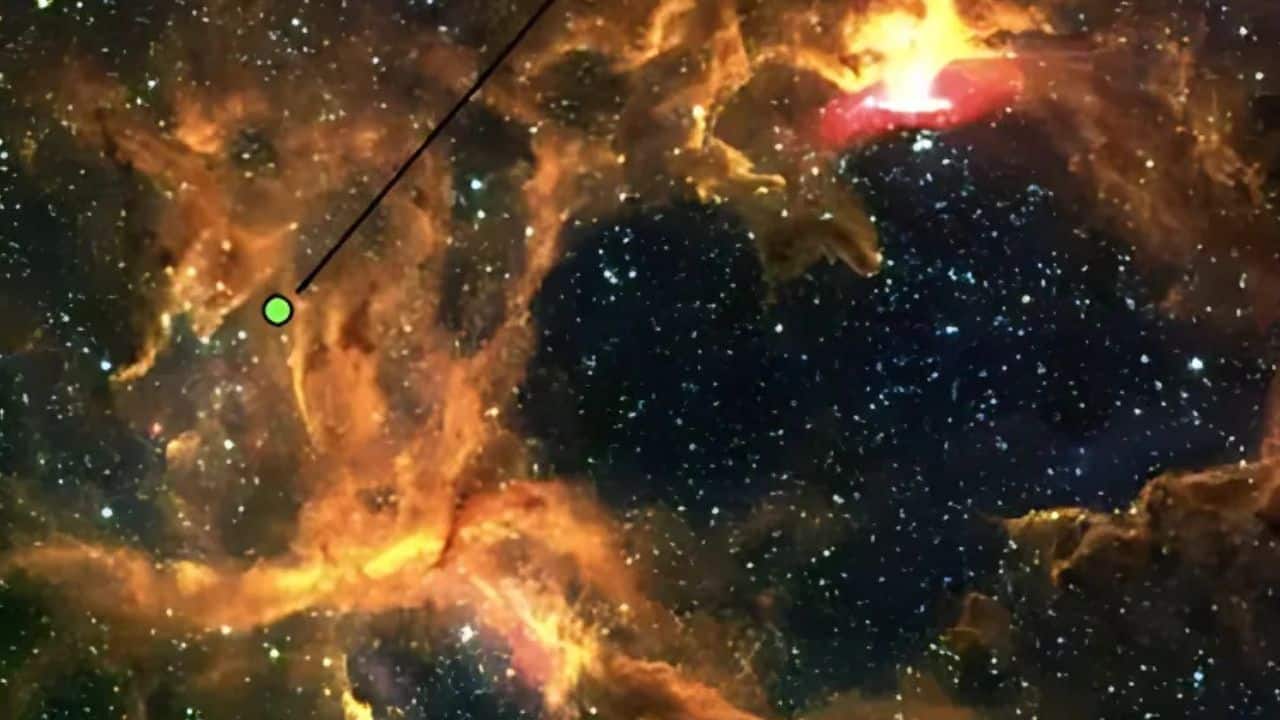
Astronomers spot carbon-heavy disk around young star, challenging planet formation models
Conventional models predict water vapour in a disk’s inner regions, as icy pebbles drift inward and vaporise. But Webb’s MIRI instrument revealed a strong carbon dioxide signal instead.
SCIENCE
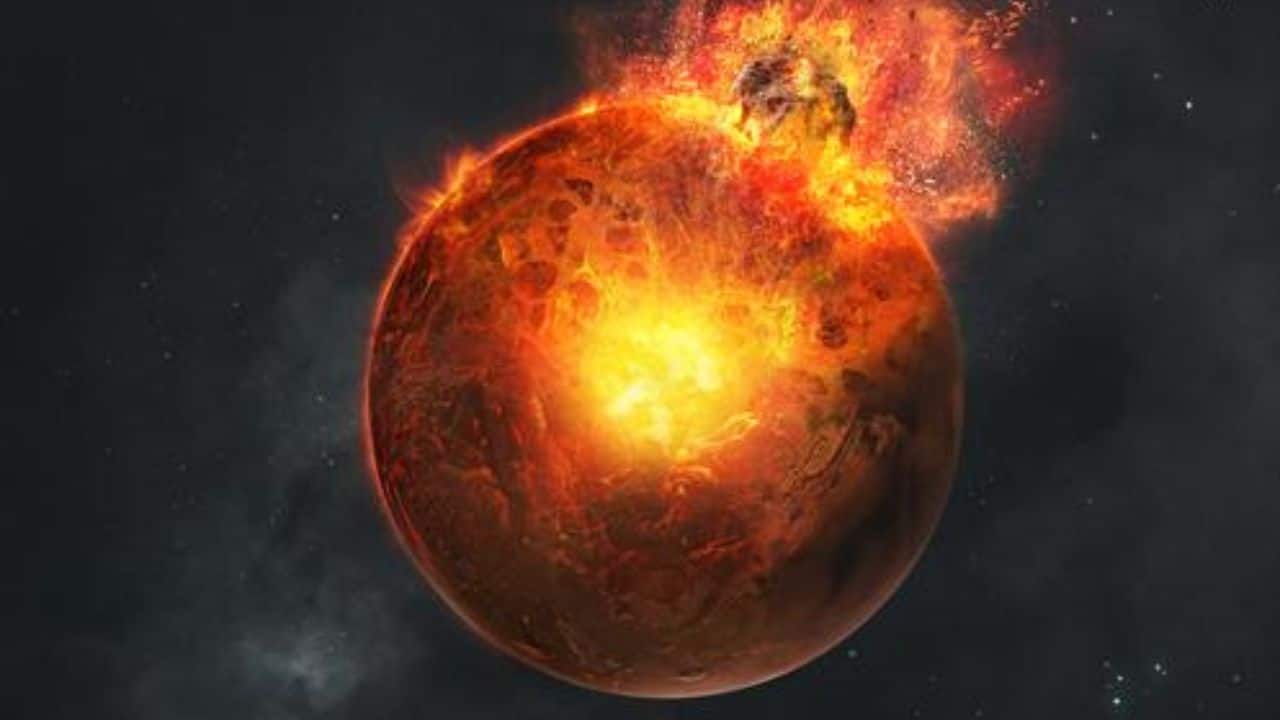
Scientists find Mars’ core is more rocky road than smooth shortbread, revealing a messy birth past
Mars and other rocky planets formed 4.5 billion years ago. During this time, massive collisions shaped their early surfaces. Researchers believe planet-sized objects struck Mars in violent impacts.
SCIENCE
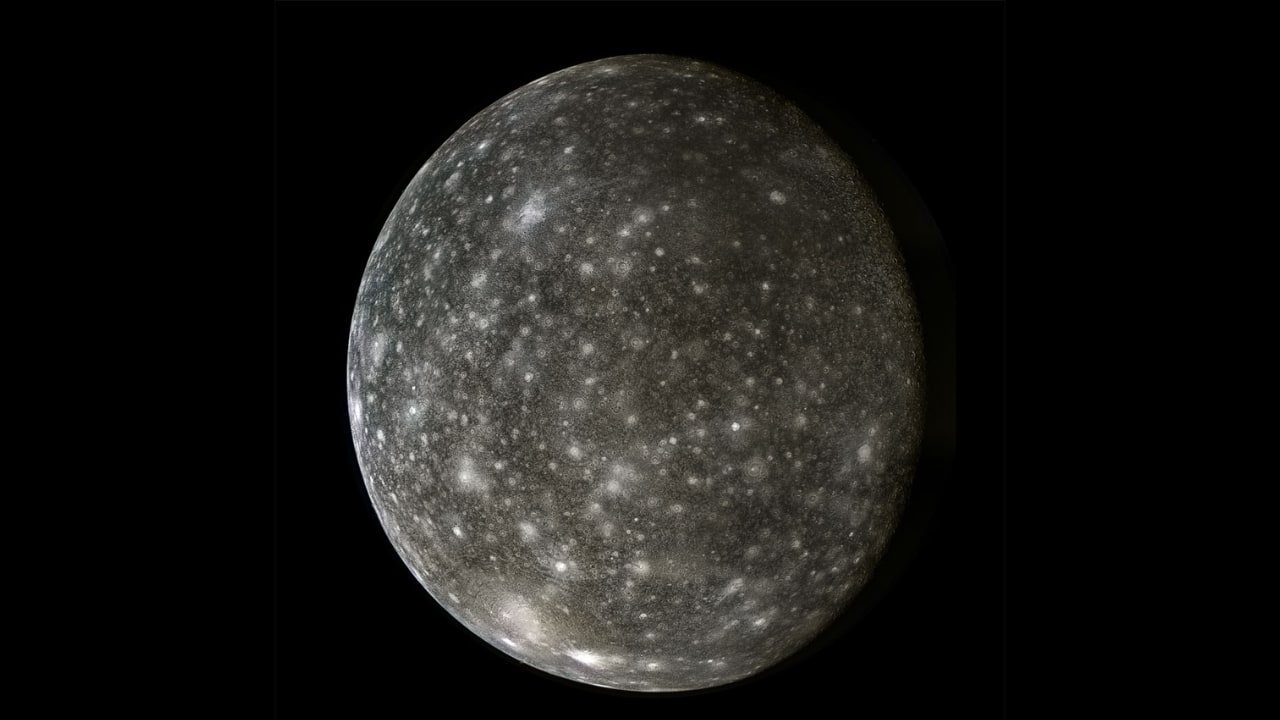
NASA's picture of the Day, September 1: Jupiter’s Moon Callisto, a dirty iceball, may hide ocean beneath its surface
Callisto's surface is the Solar System's most heavily cratered. Voyager 2 took a dramatic photo of this cratered world in 1979.
SCIENCE
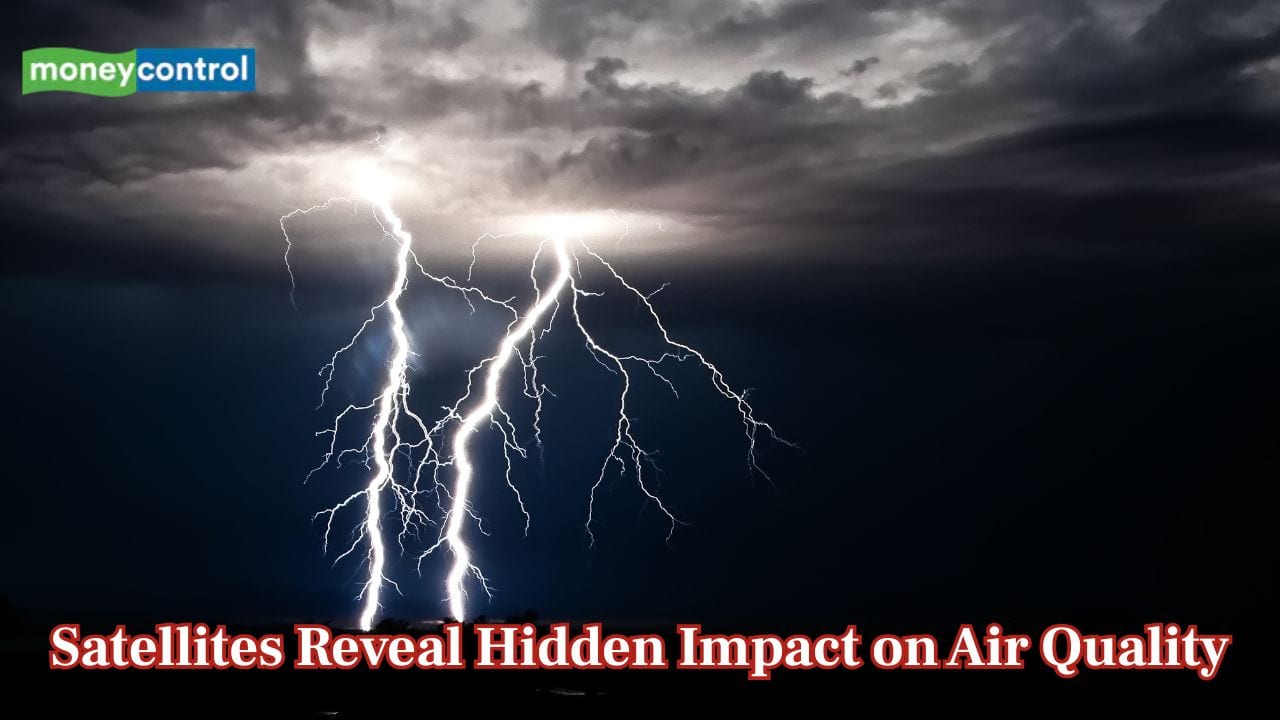
Lightning pollution tracked in real time by NASA Satellite Observations
When lightning strikes, air molecules are split by heat. The reaction produces nitrogen oxides, gases also created by car exhausts. Lightning contributes 10% to 15% of global nitrogen oxides.
SCIENCE
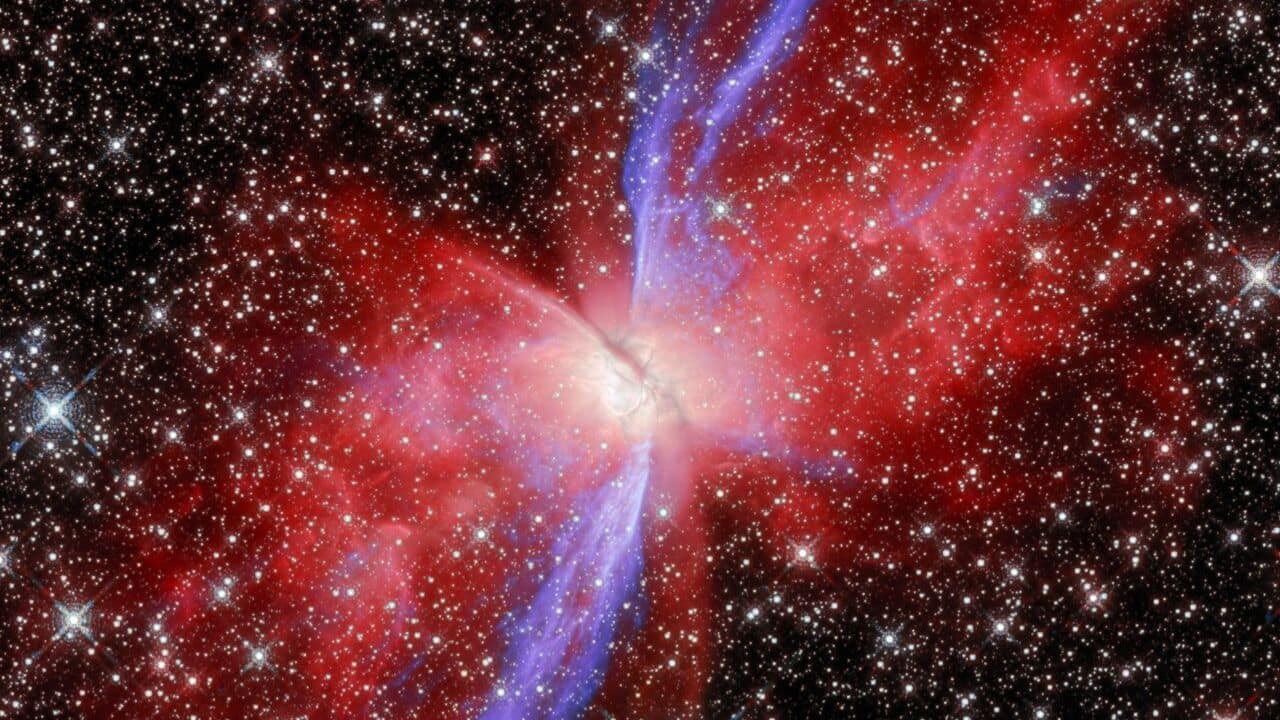
From gemstones to fiery grime: James Webb captures clues to Earth’s origins in dazzling butterfly nebula
The James Webb Space Telescope has revealed the Butterfly Nebula. It lies 3,400 light-years away in the constellation Scorpius.
SCIENCE
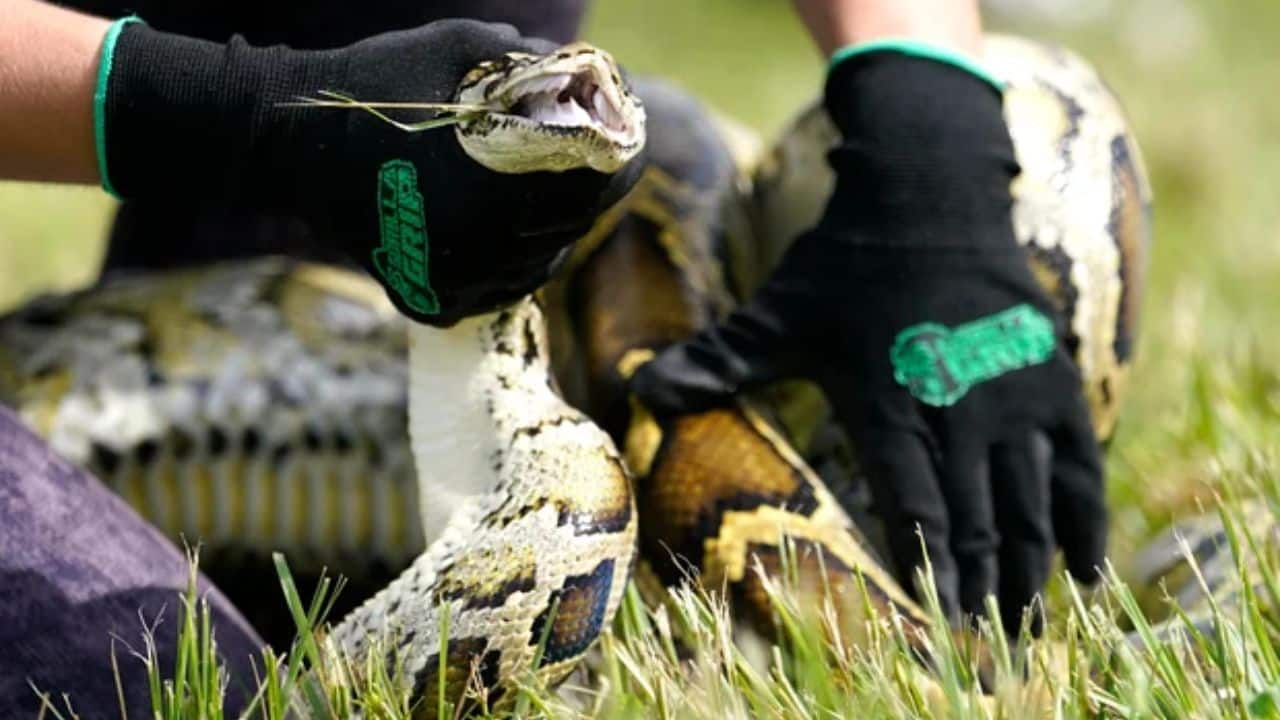
Florida uses high-tech robot rabbits to control Burmese python invasion
Burmese pythons are not native to Florida’s wetlands. Their population surged in the 1990s after the exotic pet trade and a reptile facility collapse during Hurricane Andrew.
SCIENCE
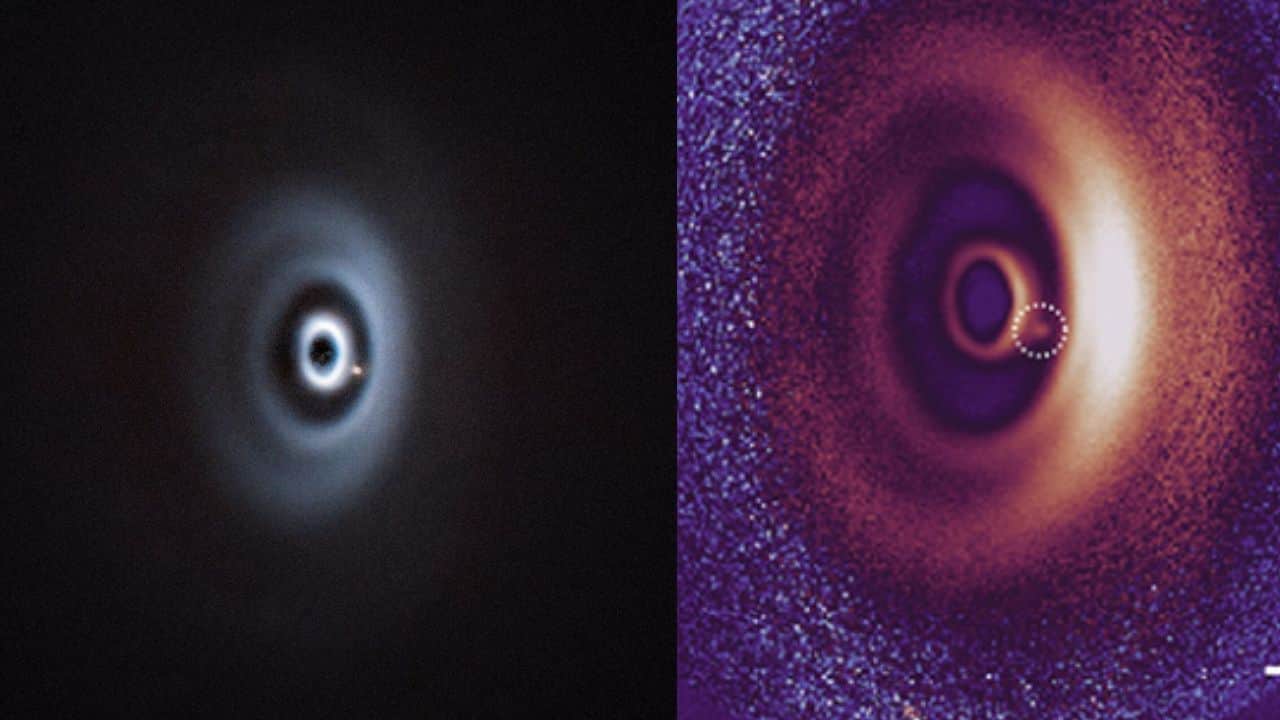
Astronomers find first exoplanet in multi-ring disk, a baby world still feeding
The planet is a gas giant about the size of Jupiter. At just 5 million years old, it is still considered an infant compared with our 4.6-billion-year-old solar system.
SCIENCE
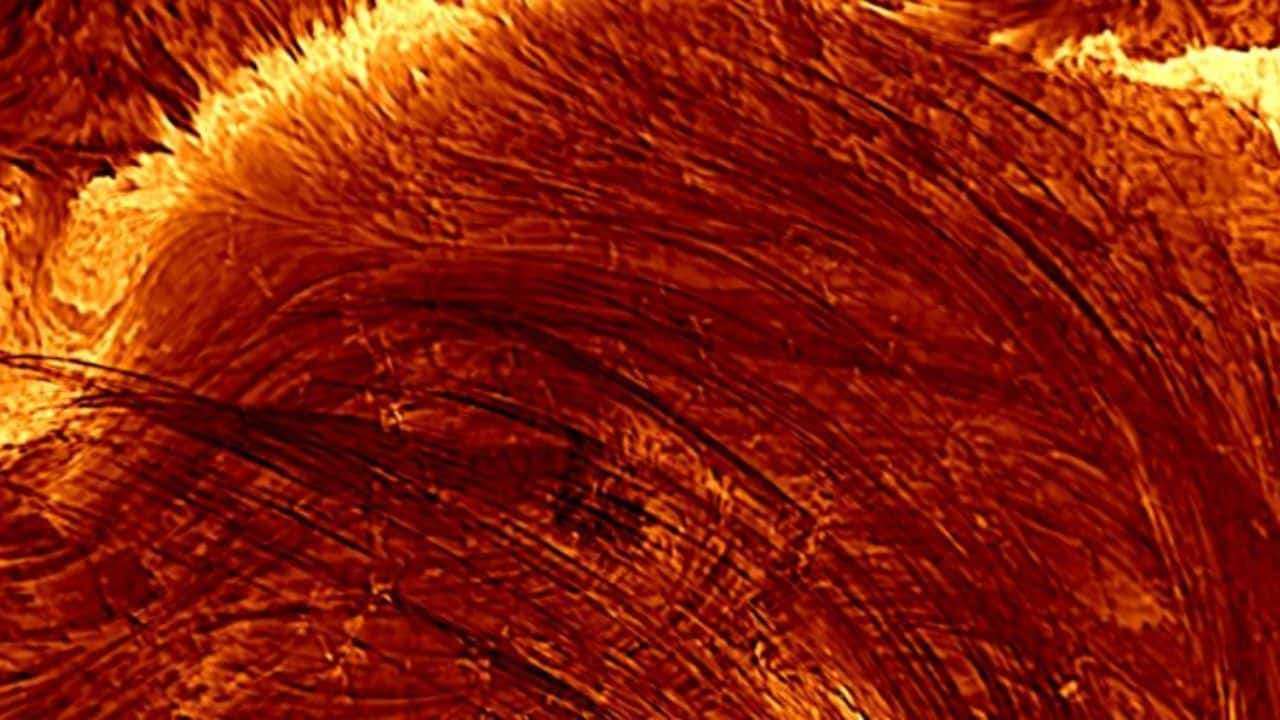
World’s strongest solar telescope records first giant flare in stunning detail
Coronal loops often appear before solar flares erupt. Flares occur when magnetic fields twist, snap, and reconnect. Until now, telescopes only resolved loop bundles, not individual strands.
SCIENCE
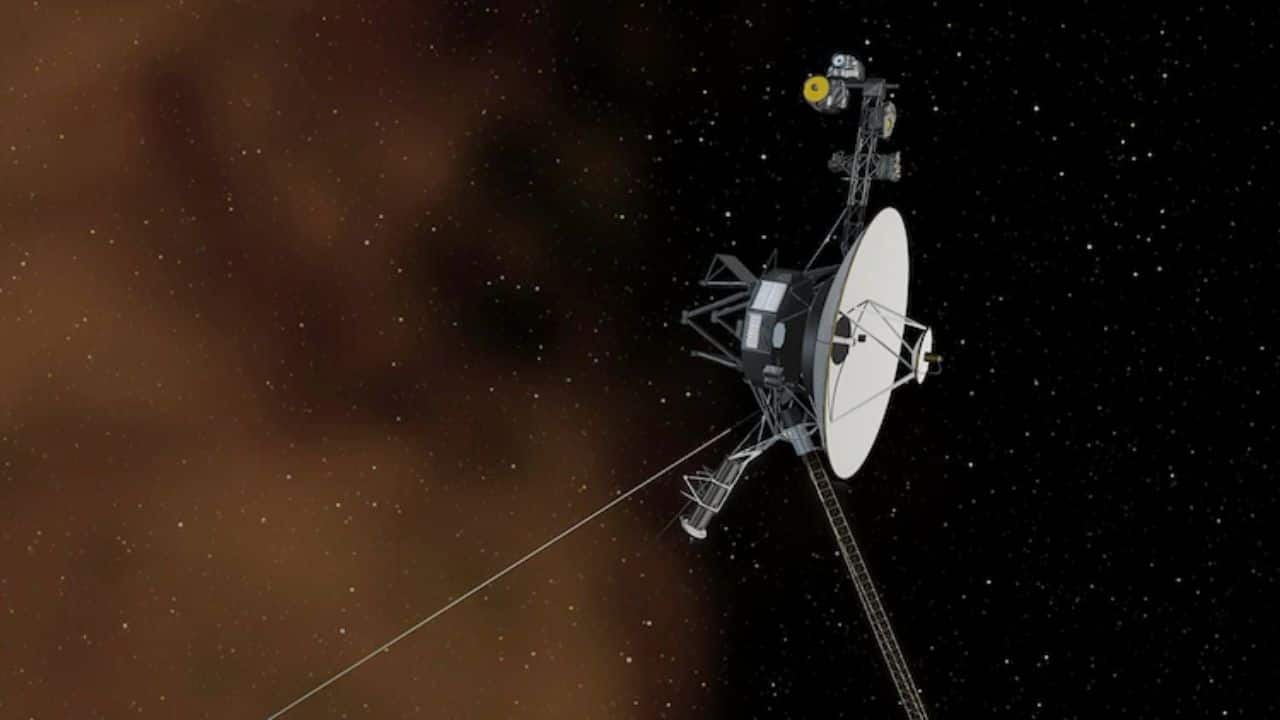
From 4.7 billion kilometres away, Voyager 2 captured its final Solar System view that still resonates 36 years later
Voyager 2 launched in 1977 to tour the outer planets. It visited Jupiter, Saturn, Uranus, and Neptune, returning data that transformed scientific understanding.
SCIENCE
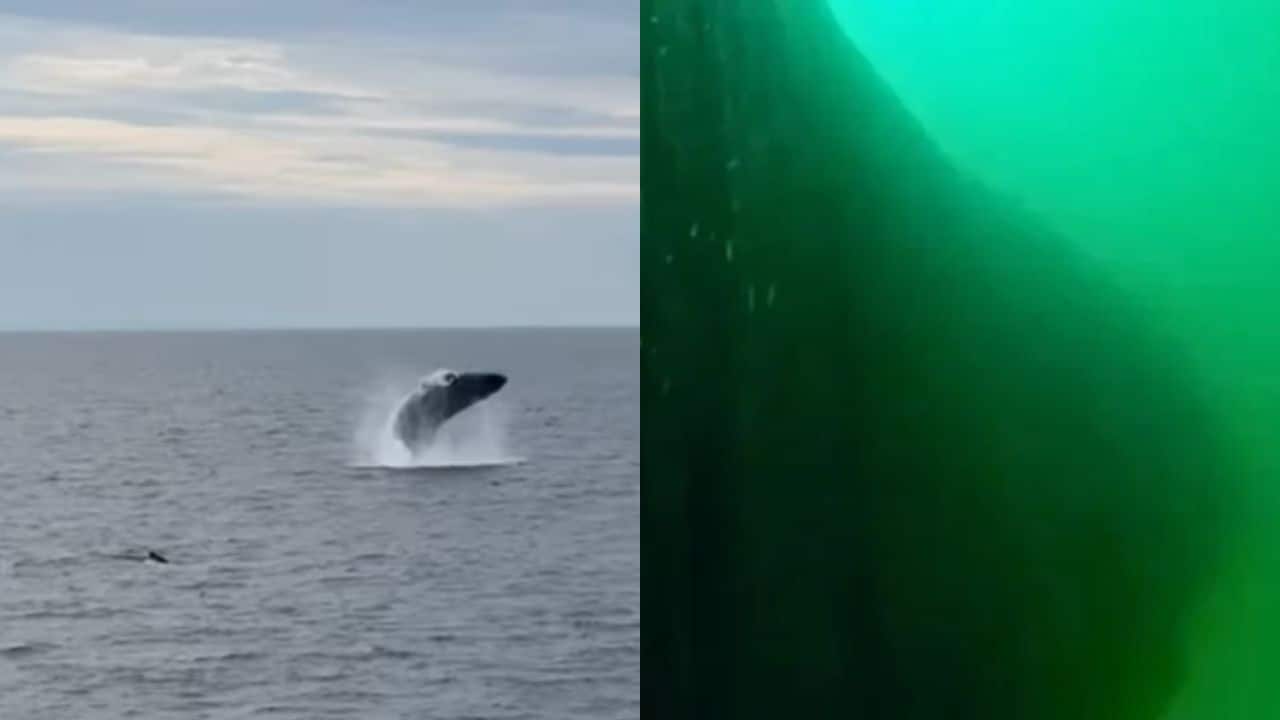
Scientists tag whale with camera, footage leaves them speechless – Here’s what they found
Researchers from Stellwagen Bank National Marine Sanctuary placed a suction-cup tag on a whale named Spell. The non-invasive device collects data and occasionally records video.
SCIENCE
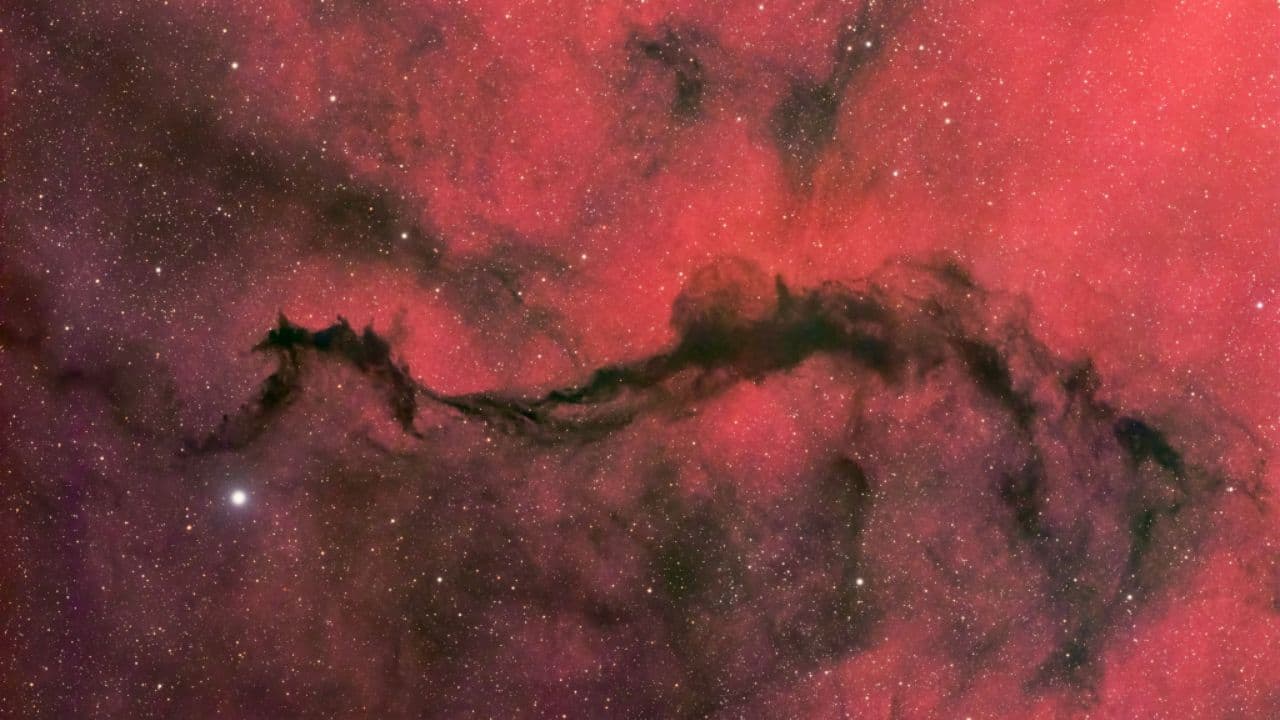
NASA’s Picture of the Day: A dark nebula forms as a veil meets a faint glow in the Ophiuchus constellation
These interstellar dust clouds are labelled as LDN 234 and LDN 204. Both were listed in the 1962 Lynds Catalogue of Dark Nebulae.
SCIENCE
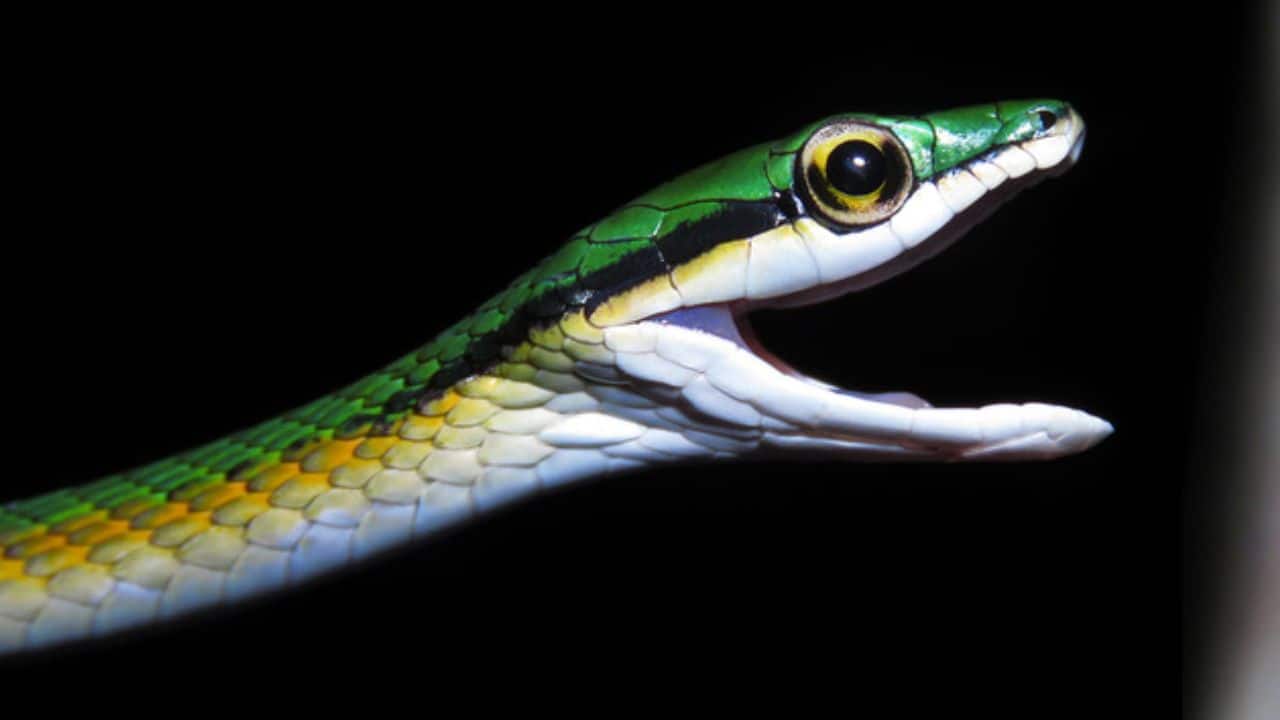
A 34-inch snake with a ‘moustache’ identified as new species in Brazil
A slender green snake, once overlooked in a Brazilian collection, has now been recognised as a new species. Scientists confirmed its identity after a fresh study of its features and DNA.