
BUSINESS
August CPI shows encouraging signs in food disinflation
If we take the index values, the consumer price index was at 193 both in July and in August. In other words, month-on-month inflation for August is zero

BUSINESS
Decoding Economics: The impact of AI and what it means for investors
Two research papers from the Bank for International Settlements, a report from the International Labour Organisation and a Goldman Sachs Global Strategy paper, consider the likely effects of AI

BUSINESS
World Trade Report highlights dangers of the new power-based world order
The old rules-based system of the global economy, of which the WTO was the lynchpin, is now defunct. It has been replaced by protectionism, geopolitical trade blocs, beggar-thy-neighbour policies and a focus on security

BUSINESS
Jumpy markets fret about risks to soft landing
While the US market was rocked by the downward revisions to the jobs data on Friday, Fed Funds futures are still pricing in only a 25 basis point rate cut at the September 18 Fed meeting

BUSINESS
Decoding Economics: Will China’s 'overcapacity' lead to a flood of exports, hurting other countries?
A recent IMF working paper assesses the importance of China’s subsidies in shaping its exports and imports, and sheds light on the implications that China’s industrial policy can have for its trading partners

BUSINESS
World Bank calls upon India to lower tariff barriers to boost exports
The World Bank says that while geopolitics has increased the opportunities for India’s growth, India’s trade policies need to change to be able to seize those opportunities

BUSINESS
Capex to GDP ratio in April-June 2024 highest since September 2012 quarter
There were widespread fears of capex being lower in the June 2024 quarter, on account of the general elections. So the rise in capex in the Q1 FY 25 GDP data is a reflection of the cyclical return of private capex after many years

BUSINESS
Fitch Ratings to India: Close, but no cigar
The key risk, says Fitch, "is if this private investment cycle does not materialise as a result of subdued consumption, which would weigh on job creation and dampen potential benefits from India's demographic dividend"

BUSINESS
What to look for in the GDP data for the April-June 2024 quarter
The most important thing to look out for is whether consumption growth has strengthened, which would not only indicate that the benefits of high GDP growth are trickling down, but also lead to a pick-up in corporate capex

BUSINESS
What the income tax data tell us about the premiumisation trend
If there was ever a shade of doubt left about the K-shaped recovery and the consequent premiumisation trend, the income tax data for FY2023 should clear it

TECHNOLOGY
Decoding Economics: Who uses Generative AI and for what?
A World Bank research paper on Generative AI examines the adoption rates of various generative AI tools, identifies the factors influencing usage, and explores the impact of generative AI tools on traffic to other websites and on people’s online activities

BUSINESS
The disconnect between the reaction of Fed Funds market and US equities after Powell’s speech
While the probabilities for the Fed Funds rate have barely budged, the US equity market rallied hard after the Fed chief’s Jackson Hole speech

BUSINESS
Have central banks pulled off a soft landing, or are they just plain lucky?
Many factors, apart from central bank actions, are responsible for the soft landing

BUSINESS
Is there really a structural change in bank deposit growth?
An RBI study in 2019 found that the impact of higher market returns on a shift away from bank fixed deposits is limited to the short-term

BUSINESS
Industrial production shrinks in June from the previous month
Consumer durables production in June contracted by 2.53 percent from the previous month, while consumer non-durables output shrank by 5.86 percent

BUSINESS
Low July inflation entirely due to base effect, month-on-month inflation has gone up
The rise in month-on-month retail inflation from 1.33 percent in June to 1.42 percent in July is mainly due to the rise in mobile telephony charges

BUSINESS
RBI surveys indicate the Indian economy slowed in Q1, what are the expectations for Q2?
Looking ahead to Q2, RBI surveys show consumer optimism has taken a hit, as has the industrial outlook and loan demand prospects. The services and infrastructure sectors, however, are showing increased optimism

TRENDS
Bangladesh’s much-vaunted economic success was built on sand
After making Bangladesh effectively a one-party state, Sheikh Hasina’s source of legitimacy depended on the strength of the economy, or her record of ‘development’. When the economy unravelled, so did her legitimacy

BUSINESS
Decoding Economics: A 2019 IMF paper predicted how the yen carry trade would unwind
The paper said that large and sharp appreciations and the unwinding of the yen carry trade run the risk of lowering actual and expected inflation, squeezing corporate profits, and generating a negative wealth effect through depressed equity prices

BUSINESS
What the budgetary allocations tell us about government priorities
The share of the highways and railway ministries in total central government budgetary spending has gone up since pre-pandemic times, but the share of the education and health sectors has been whittled down

BUSINESS
Decoding Economics | Stock picking is alive and well
An NBER paper says changes in portfolio weights explain the largest share of price changes at the individual stock level for all countries, with non-index or active funds being the main driver
BUSINESS
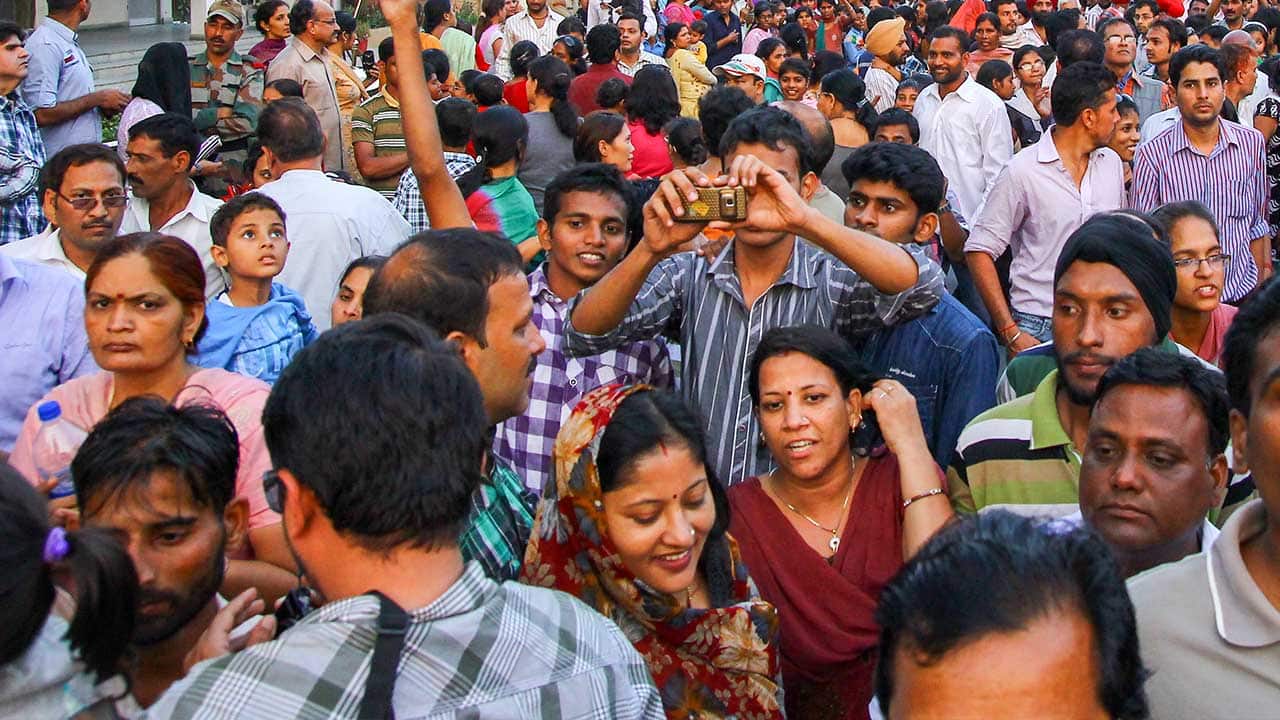
Growing remittances an excellent example of India’s demographic dividend
RBI report says the ratio of remittances to GDP in India has gradually increased from 2.8 per cent in 2000 to 3.2 per cent in 2023 and is now above that of gross FDI inflows to GDP ratio, which was 1.9 per cent in 2023

BUSINESS
July Flash PMI signals strong growth, higher inflation
Selling prices rose to the greatest extent since February 2013
BUSINESS
A Budget remarkable chiefly for what was left unsaid
Budget 2024-25: It remains to be seen whether policy continuity, sans new reforms, will be sufficient to support elevated equity valuations