

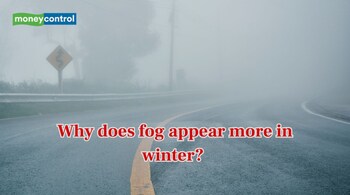


Have you ever walked outside on a chilly morning and noticed the world around you disappearing into a misty blanket? That is fog! It is like nature’s way of making everything look magical or a little spooky. But why does fog appear more often in winter than in other seasons? The answer lies in air, water and temperature and it is simpler than you think.
Fog Is Just Tiny Water Droplets
Fog is clouds at ground level. It happens when the air is full of water vapour, the invisible gas we breathe out, and the temperature drops enough for that water to condense into tiny droplets. Imagine blowing on a cold window, your warm breath turns into a little cloud. Fog is just that, but on a much bigger scale.
Why you see more fog in Winter than in Summer?
Winter mornings are colder. Cold air can’t hold as much water as warm air. When warm, moist air meets the cold air near the ground, the excess water turns into microscopic water droplets creating fog. This the reason why you see more fog in winter than in summer. In summer, the air is warmer and can hold more moisture, so fog does not form as easily.
Fog Is More Than Just a Pretty Mist
Fog might look magical, but it can also affect travel. Cars need headlights, planes might be delayed and even walking can feel mysterious. But it is also a science lesson in action, a chance to see how air temperature, water and the Earth’s surface interact. Winter fog is nature's way of showing us physics in motion, right outside our doors.
Science is making this magic
Winter fog happens because cold air cannot hold much moisture, causing water vapour to condense into tiny droplets near the ground. So next time you see a foggy morning, remember it is science making magic and your breath, the air and even the ground are all part of the show.
Discover the latest Business News, Sensex, and Nifty updates. Obtain Personal Finance insights, tax queries, and expert opinions on Moneycontrol or download the Moneycontrol App to stay updated!





