

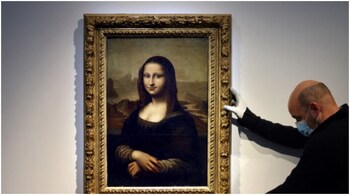
Microsoft has unveiled an artificial intelligence-generated video featuring none other than Leonardo Da Vinci's masterpiece Mona Lisa rapping to the beats of "Paparazzi." This move, blurring the lines between art, technology, and controversy, showcases Microsoft's latest AI marvel, VASA-1, capable of amalgamating still images with audio clips to create lifelike videos of animated faces.
The viral clip, released as part of Microsoft's research publication on April 16, has ignited a storm of reactions across social media platforms, with one post alone amassing a staggering 7.1 million views on X (formerly Twitter) as of Monday morning.
Among the myriad responses, opinions range from incredulity to amusement, with one skeptic questioning the necessity of such technological feats: "Why does this need to exist? I can't think of any positives." Conversely, others found themselves in fits of laughter, as one commenter confessed, “Mona Lisa rapping Paparazzi is wild” to which the original poster replied: “Da Vinci is rolling in his grave.”
Yet, amidst the laughter and disbelief, a palpable unease lingers, with sentiments like "Another day, another terrifying AI video" echoing concerns over the ethical implications of such advancements.
Drawing parallels to Alibaba's EMO, which similarly imbues static images with vocal expressions, VASA-1 heralds a new era where art and technology converge in unprecedented ways.
With Microsoft touting the capabilities of VASA-1 to handle diverse inputs beyond its training set, including artistic photos, singing audios, and non-English speech, the tech giant envisions a future where such innovations foster educational equity, enhance accessibility for individuals with communication challenges, and provide therapeutic support.
However, the company remains vigilant, cautioning against potential misuse of the technology for deceptive purposes. Emphasizing their commitment to responsible innovation, Microsoft asserts that no online demos, APIs, or additional implementation details will be released until stringent regulatory standards are met.
Discover the latest Business News, Sensex, and Nifty updates. Obtain Personal Finance insights, tax queries, and expert opinions on Moneycontrol or download the Moneycontrol App to stay updated!





