

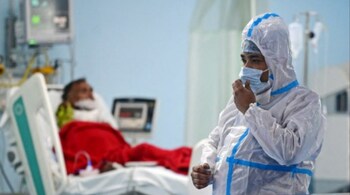
Anticipating a potential surge in Covid-19 cases due to the emergence of the JN.1 subvariant in the neighbouring states of Kerala and Tamil Nadu, the Karnataka government has issued an advisory asking the elderly and vulnerable to mask up. The state has also stepped up testing and Whole Genome Sequencing (WGS) of confirmed cases, according to Swarajya magazine.
The World Health Organization (WHO) on Tuesday classified the JN.1 coronavirus strain as a "variant of interest", but said it did not pose much threat to public health. JN.1 was previously classified as a variant of interest as a part of its parent lineage BA.2.86.
On Tuesday, the Karnataka government circulated an advisory based on recommendations made by the state’s Covid-19 technical advisory committee. Here is what the Karnataka advisory to the general public entails:
The Karnataka government is urging individuals aged 60 and above, especially those with comorbidities (kidney, heart and liver ailments) to wear masks when outdoors.
Pregnant women and lactating mothers are also encouraged to wear masks when stepping out.
They are strongly advised to avoid closed and poorly-ventilated spaces as well as crowded areas.
People experiencing respiratory ailments such as cough, cold, fever, and runny nose are advised to seek medical consultation at the earliest.
“When unwell, stay at home, and minimise contact with other people, especially seniors and those who are vulnerable. At crowded places, particularly, if not well-ventilated, wearing a mask is advised,” the advisory said.
“When travelling overseas, stay vigilant and adopt relevant travel precautions, such as wearing masks at the airport and inside aircraft, and avoiding crowded areas with poor ventilation,” it added.
Good personal hygiene maintenance including frequent hand washing, is necessary, the circular further said.
(With inputs from PTI and Reuters)
Discover the latest Business News, Sensex, and Nifty updates. Obtain Personal Finance insights, tax queries, and expert opinions on Moneycontrol or download the Moneycontrol App to stay updated!





