

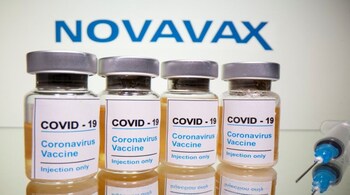
The launch of the Novavax COVID-19 vaccine is likely to be delayed further as the Serum Institute of India (SII) is yet to receive raw materials from the US despite the end on the export ban.
SII is yet to receive raw materials from the US needed to produce the Novavax vaccine, Mint reported citing an official aware of the development.
Track this LIVE blog for latest updates on coronavirus pandemic
The launch of the Novavax COVID-19 vaccine, to be produced by SII under the brand name Covovax, is likely to not take place before September as planned earlier, the official told the publication.
Moneycontrol could not independently verify the report.
The Joe Biden administration on June 4 lifted an embargo on the export of COVID-19 vaccine raw materials.
Read: What Novavax data means to India, approval timelines, volumes and price
SII CEO Adar Poonawalla recently said that the firm plans to launch the Novavax vaccine by September. The pharma company is also planning to start clinical trials of Covovax for children in July.
"It will soon apply to the drug regulator to approve the vaccine’s trial on children," Poonawalla added.
Serum Institute, which has partnered with Novavax, is also conducting bridge trials on the jab. The Pune-based vaccine maker will manufacture the vaccine not only for India but for dozens of lower and middle-income countries through Covax, the global alliance aimed at accelerating the development, production and equitable access to COVID-19 vaccines.
The US-based pharmaceutical company had on June 14 announced that its COVID-19 vaccine had passed the efficacy test with a score of 90.4 percent, meeting the primary target of its pivotal Phase 3 trial.
The protein-based vaccine, called NVX-CoV2373, demonstrated 100 percent protection against moderate and severe forms of viral disease, Novavax said, adding that the vaccine scored 93.2 percent in efficacy trials on variants of the virus.
Discover the latest Business News, Sensex, and Nifty updates. Obtain Personal Finance insights, tax queries, and expert opinions on Moneycontrol or download the Moneycontrol App to stay updated!





