

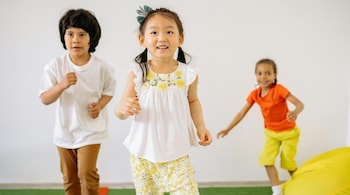
Children’s fashion in India has come a long way from being just about frilly dresses and cartoon prints. Today’s modern parents are thinking beyond colour codes and seasonal fads. They are choosing clothes that reflect values of comfort, sustainability, gender neutrality, and cultural storytelling. This shift is shaping a more conscious approach to kidswear, one that encourages children to play freely, learn about their roots, and grow up with mindful habits.
The rise of unisex designs
Once upon a time, a baby’s wardrobe was determined by colour like blue for boys, pink for girls. But today’s parents are breaking free from that mindset. Functionality and inclusivity are the new benchmarks of good design. Shweta Dhariwal, Founder and CEO at Whitewater Textile LLP, says, “Unisex, versatile designs allow families to make more intentional choices—clothing that can be shared by siblings, passed down easily, and styled in multiple ways.
Also read: Gen Z and the gift economy: Practicality with a dash of sass
Parents are beginning to see fashion not just as a seasonal trend, but as an investment in pieces that last longer and serve more than one purpose, and many times more than one child. This shift reduces overconsumption and waste, while also teaching children the value of thoughtful, resourceful living.”
Freedom and function
When children dress in clothes that don’t impose gendered expectations, they are encouraged to express themselves more authentically. What sets the new wave of Indian kidswear apart is its return to craft. Parents are seeking pieces that tell a story, often made by artisans using time-honoured techniques. Dhariwal adds, “Handcrafted details—be it hand-embroidery, traditional weaving, or indigenous prints—carry stories of communities, regions, and techniques passed down through generations.
When children wear or use such pieces, they are exposed to these narratives in an everyday, tangible way. It sparks curiosity: ‘Who made this? Where did this come from?’ Over time, these details become more than decoration; they are touchpoints that help children connect to culture, heritage, and the human hands behind the craft.”
These small details like block-printed fish motifs or handwoven stripes make clothing more than just wearable art; they become tools for storytelling. Parents can use them as springboards for conversations about culture, nature, and sustainability, helping children develop empathy and awareness.
Balancing functionality
As parents navigate modern choices, they’re learning how to balance practicality with purpose. Dhariwal mentions, “It’s quite easy actually, since in busy marketplaces such unique, handcrafted pieces tend to stand out. The key is to look for designs that are practical in use, but rich in meaning. Functionality ensures the child can move freely and comfortably. Sustainability comes from choosing natural fabrics, timeless silhouettes, and pieces that can be handed down.”
Also read: Festive gift ideas with denim: How to reuse your jeans into something unforgettable
When cultural storytelling meets practicality, something powerful happens. A simple fish print can spark curiosity about its symbolic importance in Indian art, its role in diets across cultures, or even the effects of plastic on marine life. These micro-moments of learning turn fashion into a gentle educator — one outfit at a time.
Discover the latest Business News, Sensex, and Nifty updates. Obtain Personal Finance insights, tax queries, and expert opinions on Moneycontrol or download the Moneycontrol App to stay updated!





