

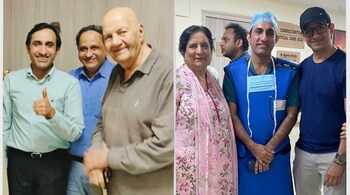
Veteran actor Prem Chopra (90) was diagnosed with severe case of aortic stenosis. This is a heart condition where the heart valve doesn't function to its optimal level, affecting the flow of blood to the aorta (the main blood carrier artery between the heart and different parts of the body).
The news was shared by actor Sharman Joshi, who is son-in-law of the veteran actor. Joshi shared that Chopra underwent TAVI procedure, as part of which the valve of the heart is replaced without open heart surgery.
Take a look at the post:
Moneycontrol team spoke to Dr Sukriti Bhalla, Senior Consultant & Unit Head (Unit-2)-Cardiology, Aakash Healthcare, to understand more about this heart condition, what its symptoms are and the line of treatment.
Also read: Long walk Vs short walks: Apollo Neurologist says latter are better; Here's why
What is Aortic Stenosis?
"Aortic Stenosis develops when the aortic valve, which controls blood flow from the heart to the body, becomes stiff or narrow, thus preventing proper functioning of the heart valve. In this situation, the heart needs to put more force to distribute blood throughout the body. The heart experiences increasing pressure which eventually causes heart damage and produces dangerous medical issues," Dr Bhalla explained.
Line of treatment options for Aortic Stenosis
Dr Bhalla told Moneycontrol that the line of treatment depends on the extent of narrowing and the presence of symptoms in patients. "The treatment for mild cases involves watching the patient's condition while using specific medications. The treatment for valve replacement becomes necessary when patients have severe or noticeable symptoms. The treatment for valve replacement in such cases involves either open-heart surgery or transcatheter aortic valve implantation (TAVI) which is a minimal invasive alternative," he shared.
Transcatheter aortic valve implantation procedure
"The TAVI procedure involves using a thin catheter to insert a new animal tissue valve into the heart through a blood vessel which typically starts in the groin area. The new valve enters service by displacing the existing old valve which has become narrow," Dr Bhalla shared.
In this case, patients can expect faster recovery, because the chest bone remains closed and the heart functions without needing a bypass machine. The treatment method TAVI provides excellent benefits to patients who belong to two specific groups which include elderly patients and patients who face elevated risks during surgical procedures, Dr Bhalla explained.
Symptoms of aortic stenosis
1. Difficulty in breathing when people exercise such as walking or climbing stairs.
2. Excessive fatigue
3. Heaviness and tightness in chest area
4. Dizziness
5. Swelling in ankles and legs
6. Heart becomes weak
Causes of aortic stenosis
Dr Bhalla shared that the development of aortic stenosis occurs through a slow process which spans over multiple years. "The most common factors include age-related wear and tear, congenital heart defects, rheumatic fever. Infections that may have happened in the past can also cause scarring of the valve. The valve leaflets become stiff when calcium deposits accumulate on their surface during the course of time. The following conditions create additional risks for valve damage: High blood pressure together with high cholesterol levels, diabetes and chronic kidney disease," he said.
FAQs on aortic stenosis:
1. What is aortic stenosis?It’s a condition where the aortic valve becomes narrowed, making it harder for the heart to pump blood to the body.
2. What causes aortic stenosis?
Age-related valve calcification, congenital valve defects (like bicuspid valve), or rheumatic heart disease are common causes.
3. What symptoms should one watch for?
Chest pain, breathlessness, fatigue, dizziness, and fainting during exertion are key warning signs.
4. How is aortic stenosis diagnosed?
Doctors typically use an echocardiogram, along with ECG, chest X-ray, and physical examination.
5. How is aortic stenosis treated?
Mild cases are monitored, while severe cases may require valve replacement through surgery or TAVR (Transcatheter Aortic Valve Replacement).
Disclaimer: This article, including health and fitness advice, only provides generic information. Don’t treat it as a substitute for qualified medical opinion. Always consult a specialist for specific health diagnosis.
Discover the latest Business News, Sensex, and Nifty updates. Obtain Personal Finance insights, tax queries, and expert opinions on Moneycontrol or download the Moneycontrol App to stay updated!





