

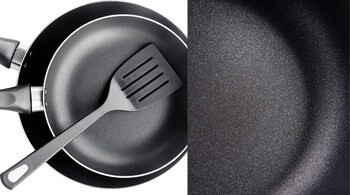
Teflon flu, also known as polymer fume fever, is a temporary flu-like condition that can occur when fumes from overheated Teflon-coated cookware are inhaled. These fumes are released when the non-stick coating, primarily made of polytetrafluoroethylene (PTFE), breaks down at high temperatures, typically above 500°F (260°C). Symptoms include headache, chills, fever, and nausea, often resembling the flu. While generally mild and self-limiting, repeated exposure to these fumes can pose health risks. To minimise risk, ensure proper kitchen ventilation during cooking, monitor the heat to prevent overheating, and replace cookware if the non-stick surface is peeling or heavily scratched to avoid potential health hazards.
According to Kolkata-based doctor and paediatric surgeon Sharmistha Banerjee, these are some of the do’s and don’ts while using non-stick cookware:
Do's
Use low to medium heat: Non-stick pans are designed to function optimally at lower temperatures. Using high heat can cause the non-stick coating to deteriorate and release potentially harmful fumes. Always keep the heat at a moderate level to ensure the longevity and safety of the cookware.
Use proper utensils: Wooden, silicone, or plastic utensils are ideal for non-stick cookware as they prevent scratches and damage to the coating. Metal utensils, on the other hand, can gouge and scrape the surface, reducing the pan's effectiveness and lifespan.
Clean gently: Hand washing non-stick cookware with a soft sponge and mild detergent is recommended to maintain the coating. Avoid abrasive cleaners or scouring pads, which can scratch and wear down the non-stick surface, leading to reduced performance and potential safety issues.
Preheat safely: Preheating non-stick pans with a bit of oil or water ensures even heating and protects the non-stick coating from damage. Preheating an empty pan can cause the coating to overheat quickly, potentially releasing harmful fumes and degrading the pan's surface.
Store properly: Proper storage is crucial to avoid scratching the non-stick coating. Use pan protectors or hang the pans to prevent them from rubbing against other cookware. Stacking pans can lead to scratches and chips, diminishing their non-stick properties.
Don'ts
Avoid high heat: High temperatures can break down the non-stick coating, releasing harmful fumes and reducing the pan's effectiveness. Non-stick pans are best used at low to medium heat settings. Avoid using them under broilers or on high stovetop settings to prolong their lifespan.
No cooking sprays: Aerosol cooking sprays can build up a residue that is difficult to clean and can damage the non-stick surface over time. Instead, use a small amount of oil or butter to maintain the pan's non-stick properties and ensure easy cleaning.
Do not overheat empty pans: Heating an empty non-stick pan can cause the coating to overheat and release toxic fumes, which can be harmful if inhaled. Always add oil, water, or food before turning on the heat to protect the coating and your health.
Avoid sharp objects: Cutting or chopping food directly in the pan can scratch and damage the non-stick coating, compromising its effectiveness. Always use a cutting board for these tasks to maintain the integrity of the pan's surface.
No dishwashers: Even if non-stick cookware is labeled as dishwasher-safe, frequent dishwashing can expose it to high temperatures and harsh detergents that degrade the coating over time. Hand washing is a gentler and more effective way to maintain the pan's non-stick properties.
Discover the latest Business News, Sensex, and Nifty updates. Obtain Personal Finance insights, tax queries, and expert opinions on Moneycontrol or download the Moneycontrol App to stay updated!





