

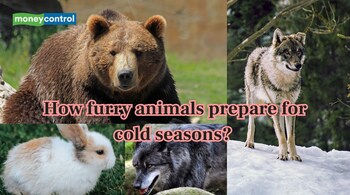
Furry animals develop special adaptations to survive winter’s freezing temperatures. These changes help them conserve energy and stay alive longer. Scientists study these behaviours to understand animal resilience in harsh conditions.
Thicker Fur and Colour Changes
Many mammals grow thicker coats as winter months approach quickly. Undercoats trap warm air close to the animal’s skin effectively. Some species change colour for camouflage, like snowshoe hares turning white. Fur provides essential insulation against cold and reduces heat loss.
Fat Layers And Energy Reserves
Animals accumulate fat under their skin during warmer months. Marine mammals develop blubber to survive in icy waters efficiently. Fat acts as both energy store and insulating barrier for survival. These reserves help animals endure periods with scarce winter food.
Metabolic Adjustments And Hibernation
Some species boost metabolism to generate more body heat internally. Others enter torpor or hibernation to conserve energy over winter. Heart rate and body temperature drop during these energy-saving periods. This strategy allows survival when environmental conditions are extremely harsh.
Behavioural Adaptations and Shelter Use
Animals seek dens, burrows, or snow shelters for warmth and safety. They reduce movement or activity to save energy during cold months. Counter-current blood flow helps extremities stay functional while preserving core heat. Shelter-seeking and behaviour adjustment complement physical adaptations effectively.
Discover the latest Business News, Sensex, and Nifty updates. Obtain Personal Finance insights, tax queries, and expert opinions on Moneycontrol or download the Moneycontrol App to stay updated!





