

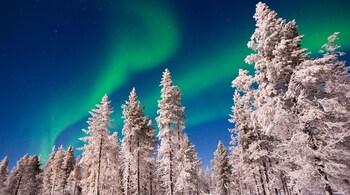
This Christmas, the sky may bring a luminous gift. The National Oceanic and Atmospheric Administration (NOAA) has issued a geomagnetic storm watch for 25 December. This celestial event, caused by solar activity, could illuminate skies with the magical aurora borealis.
The phenomenon stems from a coronal mass ejection (CME) released on 23 December. The CME, caused by a powerful M8.9-class solar flare, is expected to graze Earth’s magnetic field. Such encounters often create geomagnetic storms that produce breathtaking northern lights displays. NOAA forecasts minor storm conditions, rated as G1, on its intensity scale.
When and Where to Watch
The geomagnetic storm is expected to peak between 3:00 p.m. and 9:00 p.m. EST. Clear skies and low light pollution are essential for viewing. States like Montana, North Dakota, and Minnesota offer ideal conditions. High latitudes such as Michigan and Maine are likely to witness dazzling displays.
For those in central or southern states, surprises may occur. The storm’s intensity could extend the aurora’s reach, possibly including New York and Idaho. Mobile apps like "My Aurora Forecast" provide real-time visibility alerts for enthusiasts.
What Triggers the Aurora?
Solar flares and CMEs release charged particles into space. When these particles collide with Earth’s magnetosphere, they create geomagnetic storms. The resulting collisions with atmospheric gases produce light displays, known as auroras.
Experts anticipate the storm’s effects to align with the holiday season. Additional solar flares from 24 December could enhance the display. Observers are encouraged to monitor NOAA updates for last-minute changes.
This Christmas evening, nature promises a spectacular celestial event. Don’t miss the chance to witness this festive light show.
Discover the latest Business News, Sensex, and Nifty updates. Obtain Personal Finance insights, tax queries, and expert opinions on Moneycontrol or download the Moneycontrol App to stay updated!





