

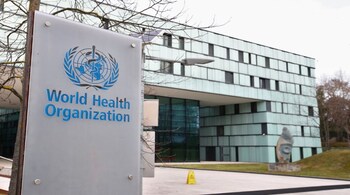
A top emergency expert at the World Health Organisation (WHO) feels simply imposing lockdowns on societies is not enough to contain the ongoing coronavirus (or COVID-19) outbreak.
Dr Mike Ryan said if strong public health measures are not undertaken at this point, there is a danger of the outbreak rearing its head again when the restrictions and lockdowns are lifted.
Dr Ryan said during a BBC interview on March 22 that there needs to be public health measures put in place to avoid a resurgence of the virus later on. He added that countries cannot simply lock down their societies to defeat coronavirus.
Track this blog for latest updates on coronavirus outbreak
"What we really need to focus on is finding those who are sick, those who have the virus, and isolate them, find their contacts and isolate them," he said in the interview on BBC's Andrew Marr Show.
As many as 30 states and Union Territories in India have already ordered complete lockdown under their jurisdiction in the wake of the coronavirus outbreak. Several countries across the world have resorted to lockdowns and imposition to curfews as a means to control the spread of the coronavirus as the number of cases globally nearly touches 4 lakh.
(With inputs from Reuters)
Discover the latest Business News, Sensex, and Nifty updates. Obtain Personal Finance insights, tax queries, and expert opinions on Moneycontrol or download the Moneycontrol App to stay updated!





