

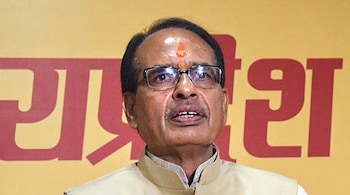
The vaccination against COVID-19 of children in the age group of 12-14 years began in Madhya Pradesh on Wednesday, with Chief Minister Shivraj Singh Chouhan appealing to people to come forward and get inoculated against the viral infection.
Chouhan launched the inoculation drive at a government school in Arera Colony of the state capital Bhopal, where a girl from the eligible age group was the first to be administered the dose.
The CM tried to comfort the girl as she took the jab.
He appealed to people to take precautions against the COVID-19 pandemic, and said vaccination was necessary to control further spread of the infection.
So far, 181 crore doses of the anti-coronavirus vaccines have been administered in the country.
The third COVID-19 wave did not affect much because most of the people had received the vaccine.
So far, 11.44 crore doses have been administered in Madhya Pradesh, Chouhan said.
Madhya Pradesh Medical Education Minister Vishwas Sarang and other senior officials were present on the occasion.
Meanwhile, MP Additional Chief Secretary (health) Mohammad Suleiman asked district collectors to ensure the vaccination sessions are organised only in government health centres and schools.
The national vaccination drive for the children in the 12-14 age group began on March 16.
However, a Madhya Pradesh health official had then said the drive will begin in the state after March 22 once necessary training is given to the frontline staff.
The official had also said that 30 lakh doses of Corbevax vaccine were received for the inoculation of children in this age category.
Discover the latest Business News, Sensex, and Nifty updates. Obtain Personal Finance insights, tax queries, and expert opinions on Moneycontrol or download the Moneycontrol App to stay updated!





