

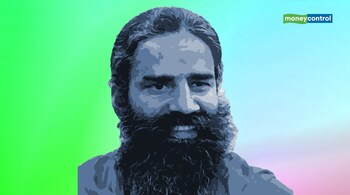
The Supreme Court on August 23 pulled up Baba Ramdev over his alleged attempts at discrediting allopathy and its practitioners, especially during the peak of COVID-19 pandemic.
The apex court bench headed by Chief Justice of India NV Ramana was hearing a petition filed by the Indian Medical Association against Baba Ramdev's "smear campaign" against the vaccination drive during the pandemic.
The bench asked why Baba Ramdev is discrediting and accusing doctors of allopathy. "We respect him, he popularised Yoga and that is good... but why is he criticising other systems?" Chief Justice Ramana observed. "What is the guarantee that Ayurveda system he is following will cure everything?", he added.
"He is accusing doctors of other medical systems... that is hurting public health," bench observed further.
The apex court issued notice on IMA's plea seeking action and has sought response from Ramdev as well as the union government.
The IMA argued that "disparaging remarks" against modern medicine and doctors were made during the peak of the pandemic. It was said that doctors were succumbing to coronavirus despite being fully vaccinated against the virus, the counsel told the court. Such remarks, if continued, could cause serious prejudice to the public health, the court was told.
The court, noting that Baba Ramdev must exercise restraint, issued notice on the plea.
Earlier, a Delhi High Court bench also observed that the yoga guru ought to exercise restraint vis-a-vis claims made by him against modern medicine.
Discover the latest Business News, Sensex, and Nifty updates. Obtain Personal Finance insights, tax queries, and expert opinions on Moneycontrol or download the Moneycontrol App to stay updated!





