

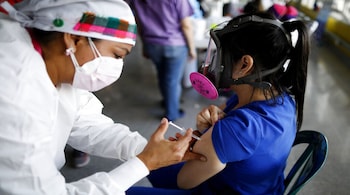
Mumbai, on April 29, completely suspended COVID-19 vaccination for three days. Brihanmumbai Municipal Corporation (BMC) said that the city did not have adequate doses to continue inoculation.
"Owing to the non-availability of vaccine stock, no vaccination will be conducted at any Govt/BMC/Pvt COVID-19 vaccination centre till May 2," BMC said, adding that it was making all efforts to ensure availability of more vaccine doses.
Track this LIVE blog for latest update on coronavirus pandemic
If fresh supplies are received, vaccination will resume, it added.
The civic body also said that the vaccination drive for the 18-44 age group, which was scheduled to begin from May 1 earlier, was likely to be deferred too.
The Centre set May 1 as the date from which states were expected to begin vaccination of everyone above 18 years of age. However, multiple states, including Maharashtra, Madhya Pradesh, Telangana and Punjab, have said that the expansion of drive will be delayed due to the lack of vaccines.
Read | Health Ministry revises home isolation guidelines amid COVID-19 second wave: Check details here
The corporation also stressed that those in the above-45 category should not fear that they will not be inoculated once the drive for the 18-44 age group begins.
"Both are different programmes, and whenever vaccine doses are available, the priority will be for the above-45 age category," the civic body said.
It also said that those who had received the first jab of the vaccine should not worry if there was a long hiatus before they get the second dose.
"If there is a longer gap, the body develops some anti-bodies against COVID-19," the statement said.
Also read: Vaccination deals between Serum Institute, Bharat Biotech and states: What we know so far
Taking to Twitter, additional municipal commissioner Ashwini Bhide urged senior citizens to not stand in long queues as the vaccine is in short supply "only for now".
"Even when vaccine drive for 18-44 year age group starts, the centres available now will continue to remain active for 45+ category. BMC will add at least 500 more public and private centres for the new drive. So that vaccination for 45+ is not compromised," she added.
Mumbai reported 4,192 new coronavirus infections on April 29, the lowest one-day rise since more than a month, the Brihanmumbai Municipal Corporation said.
It pushed the city's caseload to 6,44,699. With 82 fatalities, the death toll in the city due to the pandemic reached 13,072.
Track this LIVE blog for latest updates on coronavirus pandemic
Discover the latest Business News, Sensex, and Nifty updates. Obtain Personal Finance insights, tax queries, and expert opinions on Moneycontrol or download the Moneycontrol App to stay updated!





