

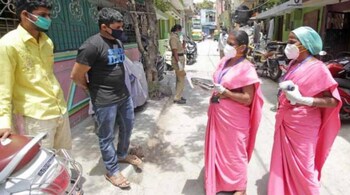
ASHA workers (accredited social health activists) in Maharashtra have gone on indefinite strike from June 16 to raise demand for a long awaited pay hike.
As many as 65,000-70,000 ASHA workers in the state have joined the strike. This is especially likely to impact services at rural and remote healthcare centres and COVID-19 centres in Maharashtra.
In his daily health update on June 15, Maharashtra State Health Minister Rajesh Tope appealed to ASHA workers not go on a strike, saying the government "will take appropriate decisions about their demands".
Here is all you need to know about why ASHA workers are protesting and what is likely to be affected by the strike:
- The strike is at present called for an “indefinite” time, beginning from June 16.
- Workers are currently paid Rs 1,650 per month for 5 hours per day, but work hours get extended for at least 7-8 hours daily due to the COVID-19 pandemic, Mirror Now reported.
- The report also noted that ASHA workers were promised a monthly salary of Rs 4,000 last year, but this has not been fulfilled as yet.
- Besides the salary, ASHA workers also received an additional Rs 300/day for six months during the first coronavirus wave, but this too has stopped despite the second COVID-19 wave, it added.
- The report noted that ASHA workers are among frontline workers in the COVID-19 effort, and have taken up additional tasks such as checking-up on home isolated patients, helping out at COVID-19 camps, helping the government keep check on COVID-19 situation in rural and tribal areas and conducting door-to-door survey for COVID-19 related data, besides their usual work.
- The TOI report added that demands also include the monthly honorarium be revised from Rs 5,000 to Rs 18,000 as they work 8-9 hours a day, instead of 2-3 hours as mandated.
- They have also asked for the Rs 50 lakh insurance cover given to other frontline workers to be extended to them, 50% reservation in healthcare workers’ recruitment, permanent recruitment and payment of arrears.
- ASHA workers have also asked the state to ensure adequate provision of gloves, masks and sanitisers.
- MA Patil, ASHA workers’ union leader and a convenor of the five-union action committee that led the strike told TOI that Tope has spoken to them discussing the demands and they will meet the minister today (June 16).
- Meanwhile, in his media address on June 15, State Health Minister Rajesh Tope appealed to ASHA workers in the state to not go on a strike. He said the government "will take appropriate decisions about their demands".
Discover the latest Business News, Sensex, and Nifty updates. Obtain Personal Finance insights, tax queries, and expert opinions on Moneycontrol or download the Moneycontrol App to stay updated!





