

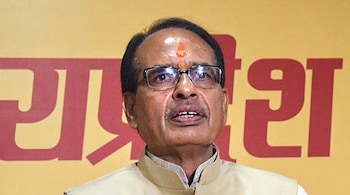
Madhya Pradesh Chief Minister Shivraj Singh Chouhan on May 22 said the state will gradually start unlocking and easing restrictions from June 1.
Addressing public representatives via video conference, the chief minister said the state government will review its strategy regarding easing of restrictions.
"I am happy to inform that the state's positivity rate has fallen to 4.82 percent. Now we need to completely free Madhya Pradesh from the coronavirus infection by May 31," Chouhan said.
"We need to recognise COVID-19 and start treatment in time. It is fatal only when there is a delay in detection and treatment, so we don't have to be late so that no more deaths occur from it, Chouhan added.
Follow our LIVE blog for the latest updates of the coronavirus pandemic
The Madhya Pradesh government had on May 21 extended the ongoing curfew in state capital Bhopal amid a spike in COVID-19 cases. The "corona curfew" will remain in pace till May 31.
As of May 22, Madhya Pradesh had reported around 7.57 lakh COVID-19 cases since the pandemic started in early 2020. While 6.82 lakh of these patients had recovered, over 67,000 cases remained ‘active’. The state had recorded a death toll of more than 7,300 due to the infectious disease.
Follow Moneycontrol’s full coverage of the coronavirus pandemic here
Discover the latest Business News, Sensex, and Nifty updates. Obtain Personal Finance insights, tax queries, and expert opinions on Moneycontrol or download the Moneycontrol App to stay updated!





