

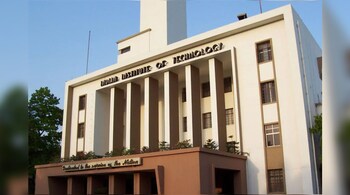
With several COVID-19 cases detected in the institute, the Indian Institute Of Technology (IIT) Kharagpur authorities have directed its employees staying in the campus not to venture out, unless it is an emergency, between September 6 and 13.
However, the faculty members will continue to conduct classes online from home, the institute said in a notification.
About 20 COVID-19 cases have been reported from the campus since August 19, an official said on Saturday.
In the notification, the institute issued a list of dos and don’ts which also include a ban on entry of outsiders, except those attached to essential services, during the period when all offices inside the campus will remain closed.
Follow our LIVE blog for the latest updates of the novel coronavirus pandemic
"No employee of the Institute will be permitted to leave or enter the campus until further orders, except for any leave or enter the campus until further orders, except for any emergency situation. Those employees who are presently outside the campus are advised to remain in the present place and work from that place,” it said.
In the market inside the campus, shops dealing in essential items only will be allowed to remain open till 2 pm every day during the period.
The outpatients’ department of the hospital inside the campus will remain closed, according to the notification campus will remain closed, according to the notification issued on Friday.
"Our on-campus activities have been suspended since the lockdown began in March end and our faculty are taking classes online. However, as COVID-19 cases were reported in the past two weeks, we have to take guard and step up measures to break the chain of infection,” Registrar Prof B N Singhtold PTI.
About 20 people staying in the campus, including including several students, have been afflicted with COVID-19.
They have either been taken home or to a hospital and most of them have recovered from the disease, the registrar said.
IIT Kharagpur had asked all students, who got stranded because of lockdown, to leave the campus by June 30, but a few of them had remained there.
The first COVID-19 case was detected in the institute when one of them tested positive on August 19.
Follow our full coverage of the coronavirus pandemic here.
(With PTI inputs)
Discover the latest Business News, Sensex, and Nifty updates. Obtain Personal Finance insights, tax queries, and expert opinions on Moneycontrol or download the Moneycontrol App to stay updated!





