

Confirmed cases of novel coronavirus have reached 60 in India, the Ministry of Health and Welfare has said. However, as per state health officials, the number of confirmed cases may be up to 65.
As the infection continued to spread its tentacles in the country, the ministry has issued guidelines for home quarantine.
According to the guidelines, home quarantine is applicable to all such ‘contacts’ of a suspect or confirmed case of the coronavirus. A ‘contact’ is a healthy person who has been in such association with an infected person or a contaminated environment. The person may have been exposed to the disease and is, therefore, at a higher risk of developing the disease.
In the case of coronavirus, a contact could be:
> A person living in the same household as a COVID-19 case;
> A person having had direct physical contact with a COVID-19 case or his/her infectious secretions without recommended personal protective equipment (PPE) or with a possible breach of PPE; and
> A person who was in a closed environment or had face to face contact with a COVID-19 case at a distance of within 1 metre including air travel.
What should be done during home quarantine?
The home quarantined person should:
> Stay in a well-ventilated single-room preferably with an attached/separate toilet. If another family member needs to stay in the same room, it is advisable to maintain distance of at least one meter between the two.
> Stay away from elderly people, pregnant women, children and persons with co-morbidities within the household.
> Restrict his/her movement within the house.
> Not attend any social or religious gathering such as wedding, condolences, etc. under any circumstances
> Wash hands as often thoroughly with soap and water or with alcohol-based hand sanitiser.
> Avoid sharing household items like dishes, drinking glasses, cups, eating utensils, towels, bedding, or other items with other people at home.
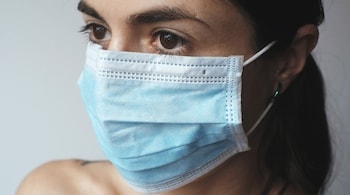
> Wear a surgical mask at all times. The mask should be changed every 6-8 hours and disposed of. Disposable masks are never to be reused.
> Immediately inform the nearest health centre or call 011-23978046 if symptoms appear like cough, fever, and/or difficulty in breathing.
Coronavirus pandemic LIVE updates
Duration of home quarantine
The home quarantine period is for 14 days from contact with a confirmed case or earlier if a suspect case (of whom the index person is a contact) turns out negative on laboratory testing.
Here are some instructions for the family members of persons being home quarantined:
> Only an assigned family member should be tasked with taking care of such a person.
> Avoid shaking the soiled linen or direct contact with skin.
> Use disposable gloves when cleaning the surfaces or handling soiled linen.
> Wash hands after removing gloves.
> Visitors should not be allowed.
> In case the person being quarantined becomes symptomatic, all his close contacts will be home quarantined for 14 days and followed up for an additional 14 days or till the report of such case turns out negative on lab testing.
Besides personal care of contact and family members, environmental sanitation is also important during home quarantine, which are as follows:
> Clean and disinfect frequently touched surfaces in the quarantined person’s room, like bed frames, tables etc., daily with one percent Sodium Hypochlorite Solution.
> Clean and disinfect toilet surfaces daily with regular household bleach solution/phenolic disinfectants.
> Clean the clothes and other linen used by the person separately using common household detergent and dry.
Discover the latest Business News, Sensex, and Nifty updates. Obtain Personal Finance insights, tax queries, and expert opinions on Moneycontrol or download the Moneycontrol App to stay updated!





