

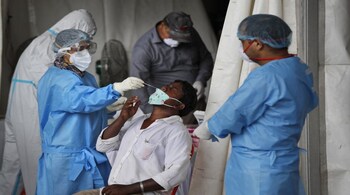
India recorded 10.6 lakh COVID-19 in the first 13 days of September, making it the country with the world’s fastest-growing caseload. During the same period, India’s death toll from the disease, caused by the novel coronavirus, surged by 13,298.
The country recorded a single-day spike of over 90,000 COVID-19 cases almost every day in the last week.
On September 1, India’s overall tally stood at 36.9 lakh which included 65,288 deaths. However, on September 13, it had surged to 47.5 lakh. The fatalities stood at 78,586.
Follow our LIVE blog for the latest updates of the novel coronavirus pandemic
During this period, Maharashtra – the worst-affected state in the country – crossed the 10 lakh COVID-19 cases mark from what was just under 8 lakh.
India's tally also surged past that of Brazil to become the second worst-affected country, behind the United States.
However, India’s recovery rate has also steadily improved to 77.9 percent. That translates to 37 lakh total recoveries from the disease in the country so far. The case fatality rate also remains well below 2 percent, significantly lower than some of the other major country with a similarly high caseload.
Click here for Moneycontrol’s full coverage of the novel coronavirus pandemic
Discover the latest Business News, Sensex, and Nifty updates. Obtain Personal Finance insights, tax queries, and expert opinions on Moneycontrol or download the Moneycontrol App to stay updated!





