

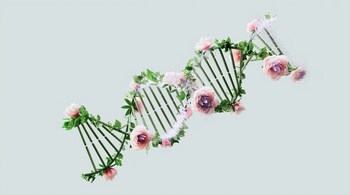
Remember the story of the magical Fountain of Youth? The one that promised to keep you young forever if you just took a sip or bathed in its waters? Think of Ponce de León, the explorer who famously looked for it but never found it. Well, while we don’t have that fountain, our desire to stay young hasn’t faded. Instead of searching for magic waters, we’re now asking science to help us crack the mystery of ageing.
Growing older isn’t just about silver streaks in our hair or more wrinkles. Think of it like an old car. Over time, it starts to rust, its engine doesn’t roar as mightily, and sometimes, it just doesn’t start. In the same way, as we add more candles to our birthday cakes, our bodies - like that car - don’t run as smoothly. Our brain, our heart, and many vital parts start feeling the weight of the years. In fact, diseases like Alzheimer’s, heart problems, and diabetes, which often pop up as we age, are behind a whopping 60 percent of deaths worldwide. The more birthdays we celebrate, the more vulnerable we become.
Our body, as it agesPicture our bodies as big, vibrant cities. Every city has numerous buildings - some skyscrapers, some houses, and some tiny shops. Similarly, our bodies are home to 37 trillion cells, each playing its unique role. Now, in this city, DNA is like the top-notch architect. It has the blueprints and designs for all the buildings.
But imagine what would happen if those blueprints started fading or getting little tears over time. The new buildings constructed using these old, worn-out plans wouldn’t be as solid or efficient, right? Just like that, as we age, the instructions our DNA provides to create new cells get a bit hazy. The new cells, therefore, don’t work as seamlessly as they should. So, our body’s “city” slowly begins to show signs of wear and tear.
Broadly, this is how we understand ageing. And while it might seem straightforward, scientists have identified nine distinct reasons for ageing at the cell level that make this process happen. We’ll dive into that next!
9 signs of ageingWe all know those subtle signs that show our favourite gadget or car is getting old. Similarly, there are specific markers that indicate our body is feeling the weight of time. A well-known 2013 study pointed out nine such signs known as the ‘Hallmarks of Aging’ which explain why we might not have the same zest, glow, or quick thinking as we used to:
1. DNA damage: Imagine your favourite book. Over time, some pages get torn or have coffee stains, right? Our DNA, the storybook of our cells, faces something similar. Exposure to things like intense sunlight or pollution can damage it. And while our cells are pretty good at repairs, sometimes they miss a few spots, complicating our story.
2. Shoelace effect: Telomeres are the tiny protective tips at the ends of our DNA, kind of like the plastic caps on shoelaces. Each time a cell divides, these caps get a bit shorter. It’s like frayed shoelaces when they get too short - the new cell can’t function properly anymore due to the complete exhaustion of telomeres.
3. Tag confusion: Epigenetics are overarching genetic processes in our body during cell replication that read “open” gene code. In contrast, other gene codes are closed for precise reproduction. So, for instance, if an old heart cell needs to be replaced and replicated with a new one, the gene code of the heart cell will be read and copied. Epigenetics will retrieve that information from the DNA to do this. However, suppose mistakenly, two gene codes are opened during replication, one of the heart and the other of the liver cells. In that case, the replicated cell will neither operate like a heart nor a liver cell but be distorted. This replication error occurs because the gene “tag” on the DNA withers over time, which causes distortion and noise when the epigenetics is at work to ensure precise replication of cells. Think of epigenetics as a librarian who knows where every book in the library (our DNA) is. Over time, some of these labels fade, making it hard for the librarian to find the right book. This confusion leads to our new cells not being made and replicated correctly.
4. Faulty factory products: As time passes, our body’s “factory” doesn’t always produce or fold proteins as it used to, resulting in some defective products.
5. Nutrient mix-up: Our cells have a specific way to sense and use nutrients. This method gets slightly rusty with age, affecting cell growth and function.
6. Battery drain: Mitochondria are like the batteries of our cells. As we age, they don’t charge as well, leading to lower energy and more wear and tear on the cells.
7. Older cells turned Zombies: Some old cells can’t divide anymore but are still active, sending out signals that might not be the best and, in fact, are detrimental to their neighbours.
8. Stem cell retirement: Just like we run out of spare parts for old gadgets, our body’s reserve of stem cells, which help repair and regenerate tissues, starts running low.
9. Broken phone lines: Ageing can mess up how our cells talk to each other, affecting things like healing wounds or fighting infections.
Add to this, as cells grow older, they make less of a vital energy molecule, Nicotinamide adenine dinucleotide (NAD+). Think of this molecule as the battery juice for our cells, which controls the performance of epigenetics and repairs damaged DNA. Leading experts in ageing and longevity space, like Dr David Sinclair, believe that if we could charge up this battery, we might just hit the reverse gear on ageing.
Knowing these signs is like a mechanic understanding what’s wrong with a car. The more we know, the better we get at finding solutions to slow down the ageing process. And who knows? We might just find our scientific version of the Fountain of Youth!
Quest for eternal youth: Modern twists and turns
Remember the gold rush, when everyone was racing to find gold? There’s a similar rush today, but the treasure is eternal youth this time. The anti-ageing industry, worth a staggering $50.48 billion in 2022, is booming with products and treatments promising us the gift of time. While some of these might be the real deal, others could just be fool’s gold.
Roadmap to ageing gracefully
While we might not have the exact map to the Fountain of Youth, we do have some proven trails that lead to healthier, longer lives:
1. Eat smart, not always more: Eating less but nutritionally rich food, a concept known as energy restriction, might help us live longer. Think of it as putting only quality fuel in your car. There’s also the idea of intermittent fasting, which is like giving your vehicle a break now and then. Fasting more than 16 hours daily is believed to accelerate cell repair processes, leading to more youthful and completely rejuvenated cells.
2. Keep moving: Regular exercise is like the regular driving a car needs. It keeps the engine (heart) robust, the bodywork (muscles and bones) in shape, and the computer system (brain) sharp.
3. Stay connected: Just as a car needs a driver and passengers to fulfil its purpose, we need social connections. Friends, family, and community keep our spirits high and our mental health in check.
4. Natural boosters: Some foods, like red grapes and broccoli, have compounds like Resveratrol and Nicotinamide Mononucleotide (NMN) that might help rejuvenate our cell batteries.
5. Skip the vices: It’s simple. Smoking and excessive drinking are like adding pollutants to your car’s system. They accelerate wear and tear.
In this era of breakthroughs, it’s important to remember: it’s not just about adding years to life, but life to years. By combining age-old wisdom with modern science and valuing quality over quantity, we may find our unique path to ageless living.
Discover the latest Business News, Sensex, and Nifty updates. Obtain Personal Finance insights, tax queries, and expert opinions on Moneycontrol or download the Moneycontrol App to stay updated!





