

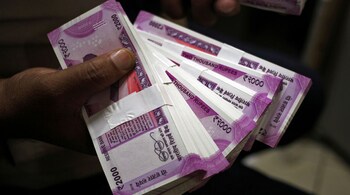
How far the rupee falls against the US dollar over the next 6 months will depend on two factors: how much the Chinese currency devalues and how long the US economic growth maintains its current strong pace, enabling Fed to remain hawkish, Anindya Banerjee, Currency Analyst at Kotak Securities, said in an interview with Moneycontrol’s Kshitij Anand.
Q: The big question for investors is – should investors now be worried about deepening economic crisis in Turkey? If not, why?
A: The Turkish economy is around a third of the size of the Indian economy. Though it is outstanding foreign currency denominated debt is large, at around 50 percent of its GDP but even if there are defaults from some of the Turkish borrowers, it is not large enough to sustain a global contagion.
Therefore, we do not expect any medium-term risk to EMs like India from Turkish crises.
Q: Turkey’s currency lira is down over 80 percent against the dollar in 2018 and is changing hands at its lowest level ever. The big concern is the foreign currency debt it owes to Spanish banks, French, the UK, the US and Japanese lenders? This looks like a perfect recipe of a contagion and would impact countries across the globe. Do you agree?
A: The Turkish government has tightened Lira liquidity to disincentivise speculators from shorting the lira. At the same time, Qatar has pledged to invest $15 billion to help Turkey tide over the dollar shortage.
At the same time, Turkey has opened a dialogue with EU. All these measures has shored up confidence, and the Lira has appreciated 24 percent from the all-time lows against US Dollar.
The market was fearing capital controls to be imposed, which would have set a bad precedent as it would have caused a panic amongst the foreign holders of Turkish debt.
With that risk receding, we do not see much risk of a contagion to European banks and hence to the global financial markets from the Turkish crises.
Q: What is your call on rupee for next 6 months? Do you think we are heading for levels above Rs 71/$?
A: The rupee has had a tough 2018 on account of a combination of factors: 1) higher oil prices 2) the US Fed tightening 3) trade war and slowing of the Chinese economy 4) nervousness ahead of national elections.
All these factors have caused rupee to depreciate more than its peers in Asia and against many of its peers in the emerging market basket.
However, Indian macros are solid with inflation under control, growth is improving and structural reforms are slowly bearing the fruit. The decline in oil prices over the past 6 weeks is another positive.
All in all, we do not see the risk of any blowout move in the Rupee. The high real interest rate in Rupee would attract capital flows as the Rupee has become cheaper post depreciation.
Over the next 6 months, how far the Rupee will fall against USD would depend on two factors: how much the Chinese currency devalues and how long the US economic growth maintains its current strong pace, enabling Fed to remain hawkish.
In the worst case, scenario, if Chinese currency were to devalue by another 5-8 percent over the next six months, then USDINR can head to levels of 74/75.00 on the spot.
Having said that, we do not see any 2013 like a risk to Rupee as it is being driven by global factors. In case, the worst case scenario does not play out, then USDINR can oscillate within a range of 68.00-72.00 on spot for the rest of 2018.
Discover the latest Business News, Sensex, and Nifty updates. Obtain Personal Finance insights, tax queries, and expert opinions on Moneycontrol or download the Moneycontrol App to stay updated!





