

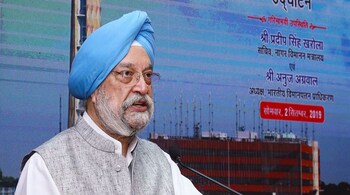
By Diwali, flight operations in India will return to the levels seen before the COVID-19 outbreak, Civil Aviation Minister Hardeep Singh Puri said.
"By Diwali (in November), we will have all our 650 aircraft operated by Indian carriers (flying)," Puri told The Economic Times.
"This may sound optimistic but what else are we going to do?" Puri added.
Domestic flight operations resumed in a staggered manner after a gap of two months on May 25. International flights to and from India remain suspended.
The industry is operating at 20 percent of the capacity seen before the COVID-19 outbreak, The Economic times reported.
In Puri's view, resuming economic activity is crucial since extending the lockdown could be "more devastating” than COVID-19.
"We will come out of the phase on top because we have a captive market unlike many other countries, which are aviation hubs," Puri told the publication.
Puri added that revival of the hospitality industry would depend on flight operations.
Puri also spoke about the Air India privatisation plan, stating that the airline would become a more attractive option for investors.
"I think AI divestment will become a more attractive proposition after this because they have access and routes," Puri said.
The government's plan to sell its stake in Air India has been delayed, with the deadline to submit bids extended till June 30.
Discover the latest Business News, Sensex, and Nifty updates. Obtain Personal Finance insights, tax queries, and expert opinions on Moneycontrol or download the Moneycontrol App to stay updated!





