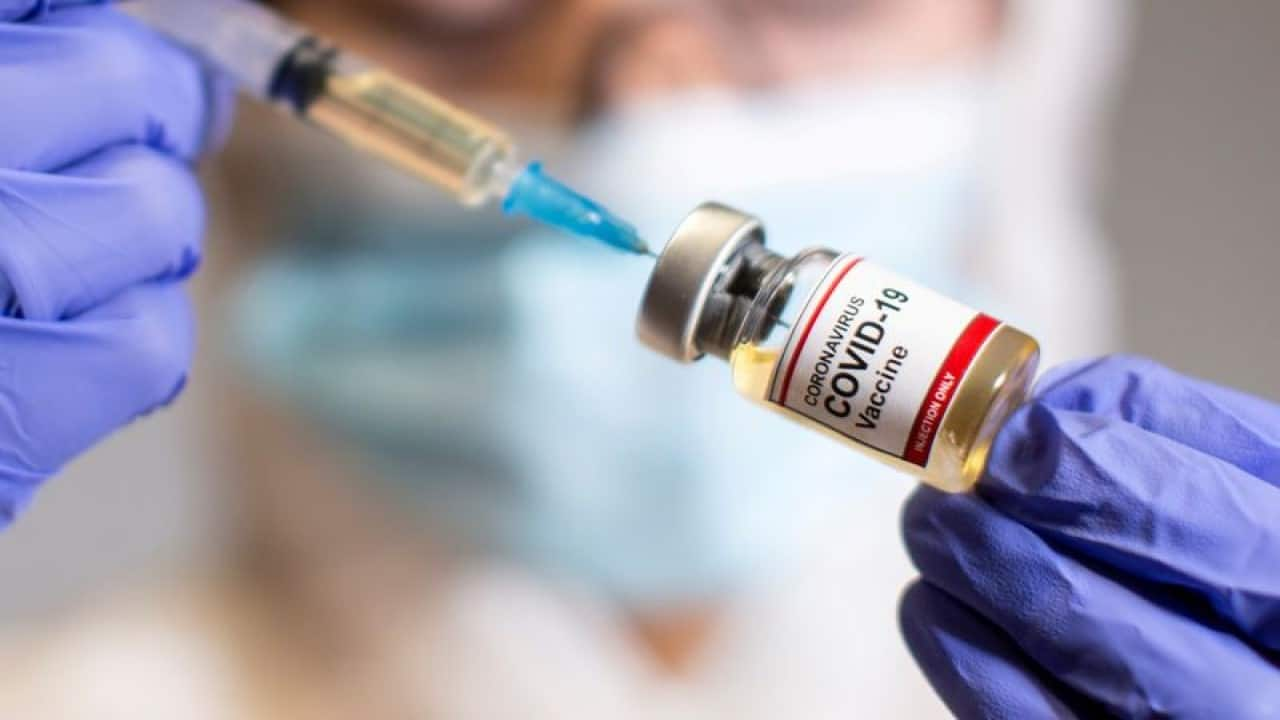
The UK drug regulator MHRA has recommended people with a history of anaphylaxis or severe allergic reaction to a medicine or food to avoid the Pfizer-BioNTech Covid-19 vaccine, following two reports of anaphylaxis and one report of a possible allergic reaction following immunisation.
“Any person with a history of anaphylaxis to a vaccine, medicine or food should not receive the Pfizer/BioNTech vaccine. A second dose should not be given to anyone who has experienced anaphylaxis following administration of the first dose of this vaccine," said Dr June Raine, Chief Executive of MHRA.
The UK has begun a rollout of mass vaccination this week, after it approved the Pfizer-BioNTech vaccine on December 3. While the risk of vaccine-induced anaphylaxis is rare, it is still concerning. Here is an explainer on anaphylaxis, its frequency, and the care that needs to be taken to ensure safety during the vaccination process.
What is anaphylaxis?
Anaphylaxis is a severe and potentially life-threatening allergic reaction. It is triggered by certain foods like peanuts, mayonnaise, and some medications like penicillin. Insect bites, too, can cause allergies. Anaphylaxis happens when our immune system reacts to these allergens by releasing a flood of chemicals resulting in symptoms such rapid, weak pulse, rashes, nausea and vomiting and difficulty in breathing. Allergic reaction can set in within a few minutes to a maximum of 72 hours.
What's in vaccines that causes anaphylaxis?
"Vaccines, which are made up of components like proteins, lipids, antigen, mRNA, salts etc, any of these components can cause allergic reaction to a person," said Dr Akshay Budhraja, senior pulmonologist at Delhi-based Aakash Healthcare Hospitals.
"A vaccine can produce local allergy, which is usually skin-related and mild, and systemic allergy or anaphylaxis which can be life threatening in some cases if not treated on time," Budhiraja adds.
Budhraja says that more trials need to be done on people with a history of allergies before these vaccines can be considered safe for people who are prone to allergies from vaccines.
What chances would one have of getting a severe reaction from the Covid-19 vaccine?
The good news is that although vaccines are known to cause severe allergic reactions, these are very rare events.
Raine of MHRA says that most people will not get anaphylaxis, and the benefits in protecting people against COVID-19 outweigh the risks.
She adds that the Pfizer vaccine has met the MHRA’s robust standards of safety, quality and effectiveness.
"The safety data has also been critically assessed by the government’s independent advisory body, the Commission on Human Medicines. No vaccine would be approved unless it meets these stringent standards – on that you can be sure," she said.
What if someone gets an allergic reaction?
MHRA in its advisory says that vaccine recipients should be monitored for 15 minutes after vaccination, with a longer observation period when indicated after clinical assessment. The MHRA adds that a second dose of the Pfizer/BioNTech vaccine should not be given to those who have experienced anaphylaxis to the first dose.
MHRA further states that a protocol for the management of anaphylaxis must always be available whenever the Pfizer/BioNTech vaccine is given. It suggests an immediate treatment with 0.5mg intramuscular adrenaline injection with an early call for help and further IM adrenaline every 5 minutes.
Implications for India
Pfizer has applied for emergency use authorisation of its Covid-19 vaccine in India. In India, where the health awareness is low and public health infrastructure is weak in many places, these kinds of allergic reactions could pose some challenge.
Story continues below Advertisement
Budhiraja says a person with an allergic history should be monitored for at least 48 hours after getting vaccinated. The other challenge would be identifying an anaphylactic reaction.
MHRA says health professionals overseeing the immunisation service must be trained to recognise an anaphylactic reaction and be familiar with techniques for resuscitation of a patient with anaphylaxis.
This would be another challenge for the government that plans to roll out the Covid vaccine in coming weeks. People, on their part, should be aware of their allergic reactions and speak to their doctors before getting a vaccine shot.
Who pays for life-threatening reactions that may possibly cause grave injury or death?
There is still no clarity in India on who pays for any grave injury caused by the vaccine to the person. As of now, insurance companies have said they are not going to cover any vaccine-related damages, and said they are waiting for the government mandate on this. The government is yet to come out with indemnity insurance for vaccine-related injuries. In contrast, the UK government has provided Pfizer civil-legal indemnity protecting it from being sued by people for any unforeseen complications arising from its COVID-19 vaccine. The UK has a robust public healthcare system to take care of people who may have serious side effects of vaccines. In addition, it has a Vaccine Damage Payments Scheme, which authorizes one-time tax free payments of £120,000 for individuals who have been disabled in the rare case that a vaccine produces highly damaging side effects.
Story continues below Advertisement
Viswanath Pilla is a business journalist with 14 years of reporting experience. Based in Mumbai, Pilla covers pharma, healthcare and infrastructure sectors for Moneycontrol.
Discover the latest Business News, Sensex, and Nifty updates. Obtain Personal Finance insights, tax queries, and expert opinions on Moneycontrol or download the Moneycontrol App to stay updated!