

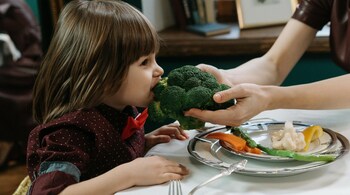
Constipation in childhood is becoming a silently significant health issue, which remains neglected by parents/caregivers despite its increasing prevalence. What is frequently considered, “no big deal” that children will outgrow can have a significant impact on how comfortable a child feels,
Paediatricians are finding that the problem is not random, but has much to do with new eating patterns, particularly lack of dietary fibre. Highly processed foods, refined grains and a shift towards less fruit, vegetables and whole food consumption has systematically displaced traditional high fibre diets.
“Constipation is actually a lot more common in children than parents realise and its long-term impact is often underestimated,” Dr Medha, Pediatrician, Madhukar Rainbow Children’s Hospital, Delhi says. Chronic constipation can cause abdominal pain, decreased appetite, behaviour changes and even the due to stool withholding. When one recognises food as the origins, it is important to prevent and manage its symptoms early on – awareness therefore serves as a crucial first step in safeguarding children’s abdominal well-being.
Also Read: Diet tips: Improve your child's digestive health with more fibre and antibiotics
Contributing factors include
1. Emergence of processed food
The modern-day diet consists of a lot of processed foods, such as chips, biscuits, snacks, and instant noodles. The result is a lack of fibre in such foods, which is an important constituent of digestion. The rate of digestion becomes slow, with a tendency to form hard stools that are difficult to pass.
2. Inadequate hydration
Water is one important component that acts along with fibre. Poor fluid intake even renders the fibre not efficient enough to imbibe water, making the stool soft, which is important for easy passage.
3. Low consumption of natural produce
Most kids are known to be averse to eating vegetables as well as fruits or even eat them in very small proportions. This unfortunately means that they are depriving themselves of fibre, which is most readily available from nature.
4. Consequences of sedentary lifestyle
Increased use of screen devices, reduced playing outdoors, and reduced physically active lifestyles have a direct consequence on metabolism and motility of the intestines, which, in turn, is considered a major factor behind sluggish bowel.
Behavioural and health consequences
1. Creating toilet refusal behaviours
Most children, especially when in school or because of a previous unpleasant event, learn to disregard the urge to defecate. The behaviour of retaining stool exasperates the constipation problem.
2. Behavioural/mood effects
The discomfort of constipation may produce significant behavioural problems. In the case of a child, there is a likelihood of experiences with irritability, changes in sleep patterns, a marked diminished appetite, and focalling difficulties.
3. Risk of chronic complications
Unless cared for, there is a strong possibility that certain chronic health conditions, such as anal fissures, abdominal distention, nocturnal enuresis, or even growth problems in the child, may arise due to constipation in kids.
The path to a natural solution
1. Giving high priority to a fibre-rich diet
The most effective solution is, therefore, to implement changes in our diet. Whole fruits, various vegetables, legumes (dal), nuts, and seeds regulate bowel movements.
2. Routine is key factor
The importance of routine is the most significant part. Encouraging periodic toilet habits, fluid intake, and physical activity may bring a complete change in the child's life
When to consult a doctor
In cases where this persists or does not respond to some of these remedies at home, it is of vital importance not to let it be taken lightly. It is also vital to visit a paediatrician, as they can prescribe what needs to be done to overcome the problem situation.
Childhood constipation is generally avoidable. Parents can make basic changes in diet and lifestyle habits, including ensuring fibre-rich meals, adequate fluids, and involving the child in active playground activities, can fundamentally alter intestinal health.
FAQs on Constipation in Kids
1. What is constipation in children?Constipation in children is when they have infrequent or difficult bowel movements, often causing discomfort.
2. What causes constipation in children?
Constipation can be caused by a lack of dietary fibre, inadequate hydration, low consumption of fruits and vegetables, and a sedentary lifestyle.
3. How can I help my child with constipation?
Ensure a fibre-rich diet, encourage regular water intake, promote physical activity, and establish a routine for toilet habits.
4. When should I consult a doctor about my child's constipation?
If constipation persists or does not improve with home remedies, consult a paediatrician for further guidance.
5. Can constipation in children lead to other health issues?
Yes, chronic constipation can lead to abdominal pain, decreased appetite, behavioural changes, and other health complications if not addressed.
Disclaimer: This article, including health and fitness advice, only provides generic information. Don’t treat it as a substitute for qualified medical opinion. Always consult a specialist for specific health diagnosis.
Discover the latest Business News, Sensex, and Nifty updates. Obtain Personal Finance insights, tax queries, and expert opinions on Moneycontrol or download the Moneycontrol App to stay updated!





