

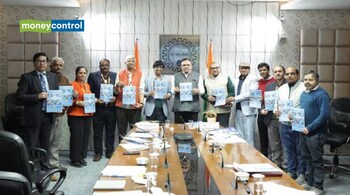
In a significant move to position India as a global leader in quantum research and innovation, the Department of Science and Technology (DST), in collaboration with the All India Council for Technical Education (AICTE), has introduced a dedicated undergraduate curriculum for quantum technologies. This initiative is part of the National Quantum Mission (NQM), which aims to foster a thriving ecosystem of quantum-trained professionals and accelerate technological advancements in the field.
The newly announced curriculum integrates theoretical knowledge with hands-on laboratory experience, offering students an in-depth understanding of quantum computing, communications, sensing, metrology, and materials. Professor Ajay K. Sood, Principal Scientific Advisor to the Government of India, highlighted that this minor program would prepare undergraduates to meet the demands of the rapidly evolving quantum sector. He emphasized the importance of aligning the initiative with the goals of the National Quantum Mission to create a workforce ready to lead India’s technological advancements on the global stage.
The undergraduate program will be available to students across AICTE-approved institutions, with each course spanning a minimum of 18 credits, including both theory and lab components. The curriculum is designed to be accessible to students from various engineering disciplines, starting from their third or fourth semester. Each course comprises three credits, combining lectures and practical sessions to ensure a balanced and comprehensive learning experience.
Professor Abhay Karandikar, Secretary of DST, described this initiative as a pivotal step toward building a quantum-ready workforce. He underscored the importance of training faculty and enhancing infrastructure, such as establishing teaching labs in select institutions, to support the program’s implementation. Faculty Development Programs (FDPs) will be conducted to equip educators with the knowledge and skills required to deliver high-quality training. Professor Karandikar also urged institutions to proactively adopt the curriculum and encouraged students to recognize the transformative potential of quantum technologies.
Dr. Ajai Chowdhry, Chairman of MGB, NQM, stressed the need for internships alongside the academic program to provide practical exposure and enhance the value of the training. Professor T.G. Sitharam, Chairman of AICTE, termed this development as a new beginning in India’s quantum revolution. He announced that the curriculum is expected to be rolled out in top institutions by July 2025, extending the reach of quantum education to a larger pool of students.
The National Quantum Mission is a strategic initiative by the Government of India to advance quantum research and innovation, focusing on developing a skilled workforce to meet the multidisciplinary needs of this emerging technology. The mission also includes the creation of teaching labs, development of textbooks, and conducting awareness programs to promote interest in quantum technologies.
With this dedicated curriculum, India is taking a significant step toward achieving self-reliance in quantum technologies. By equipping students with foundational and advanced knowledge, the program aims to position the country as a global leader in quantum innovation and societal applications. This initiative reflects India’s commitment to fostering a collaborative environment for research, education, and technological progress in this transformative field.
Discover the latest Business News, Sensex, and Nifty updates. Obtain Personal Finance insights, tax queries, and expert opinions on Moneycontrol or download the Moneycontrol App to stay updated!





