

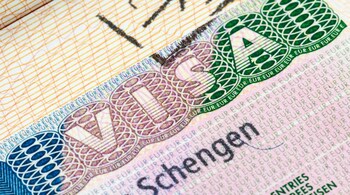
A new decision by the European Union to limit Russian tourist visas has set off a wave of frustration among Russians living abroad. The EU says the change is a necessary response to a series of sabotage incidents linked to Russia. But many exiles argue that the policy hurts those who oppose the Kremlin far more than it hurts President Vladimir Putin or his security services, the New York Times reported.
A tougher visa system
Under the new rules, Russians can no longer receive long-term, multiple-entry tourist visas that once allowed frequent trips across Europe for up to five years. Instead, most will now need to apply for a new one-year visa every time they want to enter the EU. Only a small group of people, including activists and journalists, may qualify for exceptions. Even those exemptions are narrow and difficult to obtain.
The European Commission defended the move as a security measure. Officials say that reviewing visa applications more frequently will help them identify risks among travellers and prevent hostile activity. Recent incidents, including suspected drone incursions, damaged infrastructure and cyberattacks, have heightened concerns in several EU capitals.
Why exiles say it misses the target
For Russians who fled the country after the invasion of Ukraine or after political repression intensified, the decision feels like a punishment aimed at the wrong group. Many argue that the rule will not stop trained operatives from entering Europe. Saboteurs can still travel using diplomatic passports, single-use visas or even documents from third countries.
Yulia Navalnaya, the widow of opposition leader Alexei Navalny, voiced that criticism this week. She said Europe has every right to control its borders, but questioned how limiting ordinary people’s travel would affect Kremlin operations. In her view, the measure creates the appearance of action without addressing the real channels Russia uses to carry out sabotage abroad.
A shrinking path for escape
One of the most serious concerns revolves around activists still inside Russia. Human rights groups warn that the new policy will make it harder for them to flee if they suddenly need to escape arrest or persecution. Humanitarian visas, once a lifeline for those at risk, have become increasingly rare. Some groups say Germany has quietly stopped issuing them, leaving dozens of people stuck in dangerous situations.
The EU had already reduced visa issuance sharply since the start of the war. In 2023, only about half a million visas were granted to Russians, down from four million in 2019. With the latest restrictions, that number is expected to fall even further.
Personal consequences
Exiled Russians say the changes will disrupt their daily lives in ways that may not be obvious from the outside. Families separated across borders will find it harder to visit each other. Students and professionals may struggle to maintain legal residency if travel paperwork becomes unpredictable.
Activists who rely on European funding will have trouble meeting supporters or attending conferences.
There is also a psychological dimension. For many exiles, the ability to move freely has symbolized a break from the constraints of life under the Kremlin. The new rules, they say, feel like another barrier closing around them.
Political messaging on both sides
European officials argue that Russians enjoying holidays in European cities while their government wages war sends the wrong message. Some governments have pushed for even stronger measures, including a full ban on Russian visitors. Estonia’s former prime minister said travel to Europe should be seen as a privilege rather than a right.
In Russia, officials have seized on the decision as proof of what they call Western hostility toward ordinary Russians. State media portrays the visa restrictions as an example of “Russophobia,” encouraging citizens to stay home rather than look to Europe.
New risks for activists
A separate worry among dissidents is that being granted a visa exemption could mark them as “foreign agents” in Russia’s eyes. Activists say that anyone who remains inside the country while holding such a visa will immediately attract scrutiny from the security services. That makes the decision to leave or stay even more fraught.
For those already abroad, the rule adds another layer of stress to lives already reshaped by exile. Many left in haste, without savings or stable jobs, and rely on the ability to travel for work or family reasons.
A rule with broad impact
The EU insists the policy is about security, not punishment. But to many Russian exiles, it feels like a measure that weakens civil society rather than the Kremlin. They argue that Europe could have taken more meaningful steps, such as cutting remaining purchases of Russian oil and gas, instead of targeting mobility.
For now, the rule stands, and its effects will grow clearer in the coming months. What is already evident is that ordinary Russians living abroad will feel its weight long before anyone in the Kremlin does.
Discover the latest Business News, Sensex, and Nifty updates. Obtain Personal Finance insights, tax queries, and expert opinions on Moneycontrol or download the Moneycontrol App to stay updated!





