

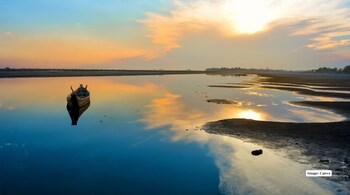
Majuli, the world’s largest river island, floats serenely on the mighty Brahmaputra River in Assam. Spanning over 350 square kilometres, this island is not just about its size but also about its unique blend of culture, spirituality, and natural beauty. For anyone looking to experience Assam in its purest form, Majuli is a destination that deserves a permanent place on the bucket list.
At the heart of Majuli’s identity are the neo-Vaishnavite Satras—monastic centres established centuries ago by the saint-reformer Srimanta Sankardeva and his disciple Madhavdeva. Today, around two dozen Satras remain active. They continue to preserve classical art forms like Sattriya dance, Bhaona theatre, devotional music, and the intricate tradition of mask-making. A visit here is like stepping into a living museum of Assamese heritage.
The island also dazzles with its natural wealth. During the winter, Majuli becomes a haven for migratory birds, making it a paradise for birdwatchers and nature lovers. The lush greenery, wetlands, and tranquil river channels create landscapes that feel untouched and timeless. Whether it’s a misty morning or a fiery sunset over the Brahmaputra, Majuli offers moments of unmatched serenity.
What truly sets Majuli apart, however, are its people. Home to communities like the Mising, Deori, and Sonowal Kachari, the island thrives with vibrant festivals, folk dances, and age-old customs. Celebrations like Ali-Aye-Ligang and Raas Mahotsav bring alive the spirit of community through dance, food, and cultural performances. Artisans in villages like Salmora keep traditional crafts alive—creating bamboo and clay pottery, weaving handlooms, and making elaborate masks used in Bhaona plays.
For travellers, Majuli offers immersive experiences rather than fleeting sightseeing. You can stay in eco-friendly bamboo cottages, ride bicycles through villages, or take boat trips across quiet water channels. Sharing meals with local families and listening to their stories adds a warmth no guidebook can capture.
Yet Majuli is also fragile. Constant erosion by the Brahmaputra threatens to shrink its landmass year by year. Visiting this island is not just about enjoying its beauty—it is also about supporting sustainable tourism and keeping its traditions alive.
Majuli is more than a destination; it is a living, breathing story of heritage, resilience, and harmony with nature. For travellers who seek authenticity, it truly deserves a spot on every bucket list.
Discover the latest Business News, Sensex, and Nifty updates. Obtain Personal Finance insights, tax queries, and expert opinions on Moneycontrol or download the Moneycontrol App to stay updated!





