

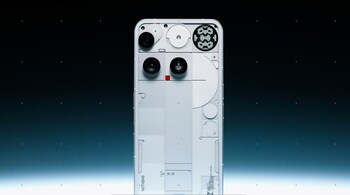
With the launch of Phone (3), Nothing has officially stepped into India’s premium smartphone segment — a space long dominated by Apple and Samsung. Priced at Rs 79,999 for the base 12GB/256GB variant and Rs 89,999 for the top-tier 16GB/512GB model, the new device isn’t just a design experiment anymore. It’s a declaration: Nothing wants to be taken seriously at the top end of the market.
But the bigger question is — can it succeed?
Breaking into the Rs 80K+ segment will be difficult challenge for Nothing, with Apple and Samsung firmly positioned in this segment, believes Tarun Pathak, research director, Counterpoint. “For a young brand like Nothing, success here takes more than just innovation, it demands long-term investment in brand building, after-sales service, ecosystem development, community engagement, and retail expansion,” Pathak told Moneycontrol.
Apple’s grip on India’s premium segment has never been stronger. The iPhone, especially the base and Plus models, now consistently rank among the top-selling phones above Rs 50,000. Add to that aggressive EMI plans, cashback offers, trade-ins, and a growing offline presence, and you get a brand that’s finally cracked the India equation.
Samsung, too, isn’t far behind. With its S-series and foldables — backed by years of retail muscle and after-sales service — it comfortably retains its share in the upper tier.
That leaves very little room for challengers. Even OnePlus, once the default “flagship killer,” has pivoted its focus to the mid-premium tier, conceding the ultra-premium battle for now.
With the Phone (3), Nothing is attempting a deliberate shift from a niche, design-led disruptor to a serious player in the premium smartphone segment, according to Prabhu Ram, vice president - Industry Research Group (IRG), CyberMedia Research (CMR). “While the brand has successfully captured early attention through bold aesthetics and marketing, sustaining momentum in a space dominated by Apple, Samsung, and rising Android incumbents will require significant investment in service, distribution, and ecosystem integration,” said Ram.
Nothing’s entry: Bold, but risky
Phone (3) is arguably Nothing’s most complete product yet. It brings flagship performance (Snapdragon 8s Gen 4), top-tier cameras (all four at 50MP, 4K 60fps), and a design that still turns heads. The Glyph Interface, while still a novelty to many, now feels more purposeful — with tools like timers, notifications, and app interactions that work without turning the phone around.
You also get a high-end display (120Hz AMOLED, 4500 nits peak brightness), fast 65W charging, wireless charging, and a battery that claims up to two days of use. Nothing has checked every spec box.
But spec parity isn’t the problem. Nothing’s focus on standout design and community-led branding has helped it carve a unique identity in a crowded smartphone market. Its transparent aesthetic and minimal UX truly set it apart with a loyal, young, and aspirational user base who looks up to Carl Pei as a role model, says Pathak. “This strategy is working for them in mid to upper mid segment. However, success in the premium segment goes beyond design, as it relies on consistent performance, strong after-sales support, robust offline distribution, and competitive pricing and Nothing is a relatively newer entrant in that space,” he adds.
Apple sells more than phones. It sells an ecosystem — of iMessage, AirDrop, Mac integration, and perceived status. Samsung does the same with DeX, SmartThings, and its device ecosystem. Consumers buying Rs 80,000+ phones aren’t just looking at specs; they’re investing in longevity, resale value, and brand credibility.
Nothing, despite its hype and design chops, is still building that trust. It doesn’t yet have the ecosystem stickiness or long-term brand loyalty that Apple commands. And for Indian buyers spending this much, after-sales support, software update guarantees, and network of service centres also weigh heavily.
Ram offers an interesting perspective. “The Phone (3) appears positioned as a halo product—aimed at uplifting Nothing’s broader portfolio—but scaling beyond limited volumes and building long-term consumer trust remain key challenges,” he explains.
That said, Nothing has built strong brand equity among early adopters and design-forward users. If Phone (3) delivers consistently across performance, imaging, and stability — and if Nothing can scale its retail and service network in India — it could carve out a niche. Not iPhone-level volumes, but a meaningful, loyal user base.
Phone (3) is Nothing’s most ambitious bet yet. It has the hardware and a clear design identity. But to take on Apple and Samsung, it needs more than good specs — it needs consistency, reliability, and a long-term strategy that goes beyond hype drops.
Pathak says that Nothing’s push into direct retail and EMI options is a key step in a market where affordability and accessibility often influence premium smartphone purchases.
However, challenging Apple’s dominance will be difficult in the segment. Apple has built this position through deep investments in retail, affordability programs, and strong aspirational marketing. “Competing at this level will take years of brand building, a robust product and service ecosystem, and consistent delivery, much like what Samsung achieved with its Galaxy S series,” says Pathak. “For now, Nothing lacks that depth in its lineup as of now, making it harder to compete across the full premium spectrum,” he adds.
Discover the latest Business News, Sensex, and Nifty updates. Obtain Personal Finance insights, tax queries, and expert opinions on Moneycontrol or download the Moneycontrol App to stay updated!





