

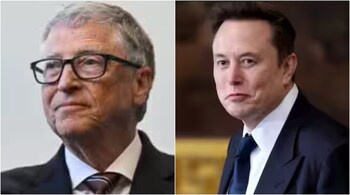
Elon Musk and Bill Gates are back in a public feud, and this time the trigger is foreign aid and global health claims linked to cuts in USAID funding.
For first-time readers, here’s the context. USAID stands for the United States Agency for International Development. It is a U.S. government agency that sends financial assistance to developing and low-income countries. This support is used for vaccination programmes, disease prevention, hospital funding, food distribution, disaster relief, maternal health, sanitation projects, and education. USAID has historically been one of the biggest donors to health campaigns that tackle measles outbreaks, HIV treatment, and polio eradication in parts of Africa and Asia. Many hospitals and NGOs in these regions have depended on USAID grants to provide medicines, run medical camps, and deliver vaccines to children.
Earlier this year, when Donald Trump began his second term as U.S. President, Musk was appointed to co-lead DOGE, the Department of Government Efficiency, a task force created to cut federal spending. One of DOGE’s most controversial moves was shutting down USAID’s independent operations and freezing large parts of its funding. Musk openly criticised the agency, even calling it a “criminal organisation” and celebrating the decision to stop taxpayer money from flowing overseas. His supporters echoed similar arguments, saying that the U.S. should prioritise domestic needs instead of funding health and population programmes in Africa. Some critics also questioned why private foundations don’t fill the funding gap instead of relying on American taxpayers.
Bill Gates strongly opposed this move. In May, during an interview, Gates criticised Musk, saying that slashing USAID funding could reverse years of progress against infectious diseases and put children at risk. He also alleged that hospitals in Gaza province, Mozambique lost important grants, which he believes may have impacted HIV transmission control. Gates urged Musk to meet affected children and see the consequences himself, framing his criticism as a moral concern about a billionaire influencing policies that determine aid for vulnerable communities.
Musk responded angrily on X. This weekend, he once again called Gates a “liar,” insisting that claims about deaths linked to USAID cuts are false and politically driven. Musk also pointed out that the Bill & Melinda Gates Foundation manages more than $80 billion in funds, suggesting that Gates could personally cover any health shortfalls if lives were truly being lost. Musk questioned why Gates doesn’t do that himself instead of warning the public about deaths tied to aid cuts. Musk ended his comment by repeating, “Bill Gates is a liar. Always has been.”
The fight has now spilled far beyond personal insults. It has turned into a global debate about morality, accountability, and responsibility. Gates argues that federal aid is essential for public health in low-resource countries. Musk argues that these claims are exaggerated and lack proof, and that private philanthropy should do more instead of governments relying on taxpayers.
Millions of people following this on social media are watching the clash unfold in real time. Beneath the noise, the real issue remains simple. Who should fund global health? Governments or billionaires? And how do we measure the real impact of aid and the consequences of cutting it? The feud continues, but the questions it raises are unlikely to go away.
Discover the latest Business News, Sensex, and Nifty updates. Obtain Personal Finance insights, tax queries, and expert opinions on Moneycontrol or download the Moneycontrol App to stay updated!





