

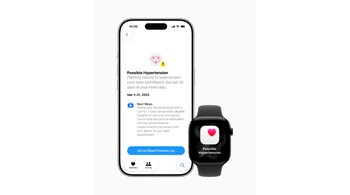
Apple Watch users in India will now receive hypertension notifications, a significant health upgrade designed to flag potential signs of chronic high blood pressure. The feature runs quietly in the background and uses data from the optical heart sensor to understand how a user’s blood vessels respond to each heartbeat. When the algorithm notices consistent patterns that could point to hypertension, the Watch sends a notification that encourages timely action.
Hypertension is one of the most widespread yet under-diagnosed health issues globally. It affects roughly 1.3 billion adults and is the leading modifiable risk factor for heart attacks, strokes and kidney disease. The condition often goes unnoticed because there are rarely any obvious symptoms. Many people do not monitor their blood pressure regularly and a single reading at a clinic can easily miss the early signs. Apple’s latest feature aims to bridge this gap by bringing passive, long-term monitoring to a device people already wear every day.
Apple says the system has been developed using advanced machine learning with training data from more than one hundred thousand participants across several studies. A separate clinical study of over two thousand people validated its performance. While the feature will not detect every case of hypertension, Apple expects it to identify over one million undiagnosed users within the first year due to the sheer reach of the Watch.
Health experts have welcomed the move. Professor Dorairaj Prabhakaran, executive director at the Centre for Chronic Disease Control and president-elect of the World Heart Federation, says integrating this form of detection into a widely used wearable could improve early diagnosis and support better conversations between users and their doctors.
For anyone who receives a hypertension notification, guidelines recommend tracking blood pressure for seven days using a certified third-party cuff and sharing those readings with a healthcare provider. This aligns with the latest advice from the American Heart Association and reinforces the Watch’s role as an early-warning tool rather than a diagnostic device.
Discover the latest Business News, Sensex, and Nifty updates. Obtain Personal Finance insights, tax queries, and expert opinions on Moneycontrol or download the Moneycontrol App to stay updated!





