

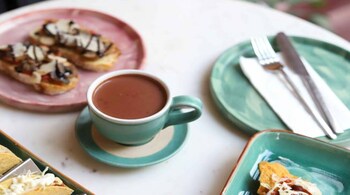
In school, I remember getting chocolate as a prize for winning a competition or for scoring full marks. Thanks to effective marketing, big brands such as Cadbury, Nestle and Amul were able to replace our traditional Indian sweets with their products.
In fact, chocolate is the most popular confectionery item in India; more than 61 percent of Indians are frequent consumers and at least 55 percent of these are women, says a study by market intelligence agency Mintel.
The chocolate market is expected to grow in double digits in the coming few years, driven by entrepreneurs who are focusing on the Indian bean and experimenting with flavours. The pandemic, somehow, did not deter this segment. New brands and products continued to tempt Indian consumers.
One of the most recent is Colocal, a new brand of craft chocolate made with cacao from Tamil Nadu and Kerala. Craft chocolate or bean-to-bar chocolate is expensive because it is manufactured in small lots, the beans are high grade, and processing machines are also costly. So, the brand decided to not only make chocolates but also give their consumers an experience of making chocolate.
Sheetal Saxena, co-founder of Colocal, says, “We wanted people to visit and experience the whole chocolate-making process in a beautiful ambience along with some great food and service. That’s why we opened a chocolate factory with a café and dining out place in Delhi.”
Organic, dark chocolate, vegan, sugar-free, homemade and craft chocolate are the operative words in this new-age chocolate world. Sheetal tells us, “As a brand, we want to achieve 100 percent dark chocolates that are palatable, without any added flavours or sugar. We are close to our target and are already making 85 percent dark chocolates.” Retailing from Hyderabad, Kolkata and Delhi, Colocal is available in caramel, nuts and sea salt flavours.
Snacks like chocolates have now become meal replacements rather than just indulgence. Another recent launch, Kocoatrait, not only makes healthy vegan chocolates but is also selling the idea of being responsible towards the planet.
The Chennai-based brand claims to be the world’s first zero-waste eco-friendly bean-to-bar chocolate. With sustainability as its core vision, the brand uses upcycled cocoa husk wrappers. Made with organic cocoa from Kerala, the chocolate contains non-refined khandsari sugar.
Introducing new and unique flavours is also key to stimulate consumer interest, and most of the chocolate giants in India haven’t been able to do much in this area. Kocoatrait offers 12 variants including flavours like rose and lavender.
The recipes are developed by Poonam Chordia, who is India’s first female chocolate taster. The brand also focuses on health with reduced sugar and high cocoa content. Being a vegan brand, they do not offer any white or milk chocolates. Kocoatrait retails online, but they do have ‘experience centres’ in most metros.
The chocolate business has seen tremendous growth, driven by India’s newfound love for dark chocolate. Then there are popular beliefs such as one that women crave more for chocolate during periods, and that chocolate can help with hormonal disturbances and mood swings.
Keeping all this in mind, Pune-based chocolate brand Deesha Chocolates launched its Deesha Sakhi ‘period chocolates’ to help women feel good and relieve painful cramps. These chemical-free chocolates have vitamins, minerals, hormone-balancing Ayurvedic herbs, proteins, sea salt and nutrients like omega-3. Available in a pack of five for five days in distinctive flavours, the brand promises to make our periods’ experience better.
I like my chocolate to be traditional, just about sweet, milky and filled with nuts. Mr. Moustache’s Cakes is one such place where you can order homemade stylised chocolates in different flavours. The brand started its business in 2019 and grew in Covid times as demand for safe and home-cooked food grew.
Khushboo Chaudhary, the 24-year-old co-founder of Mr. Moustache’s Cakes, says, “I think the homemade chocolate trend is catching up. Our chocolates are not overly sweet, and we customise them if the client demands sugar-free chocolate. We do chocolates with different fillings, like coconut, sprinkles, caramel, and various nuts. There is no food colouring.”
The father-daughter duo behind this brand are also famous for their tea cakes. Khushboo’s father does all the baking while Khushboo is responsible for running the business side of Mr. Moustache’s Cakes.
Khushboo says, “We started with putting up a stall at an exhibition organised by Ramola Bachchan. We were also the gifting partners, so our products went to all the influencers. We sold out. My father and I haven’t looked back since.”
Discover the latest Business News, Sensex, and Nifty updates. Obtain Personal Finance insights, tax queries, and expert opinions on Moneycontrol or download the Moneycontrol App to stay updated!





