

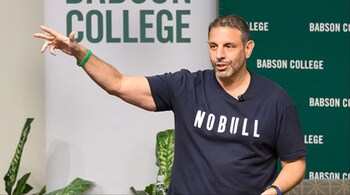
Billionaire beverage entrepreneur Mike Repole — the man behind Glaceau and BodyArmor, both sold to Coca‑Cola in deals worth a combined $9.7 billion — has a blunt message for anyone dreaming of launching a startup: Don’t do it.
In a recent interview with the School of Hard Knocks, a social‑media channel known for conversations with high‑profile founders, Repole offered an unvarnished account of the early years of building a business. “I spend more time talking people out of being an entrepreneur,” he said. Calling the first phase of entrepreneurship “the survival years,” he added that during those years “every single day, you could go bankrupt.”
Repole's caution comes at a time when entrepreneurial success stories dominate online discourse, often glossing over the strain, uncertainty, and financial risk that define most founders’ lives. Although Glaceau and BodyArmor transformed him into one of the most successful beverage entrepreneurs of his generation, he stressed that turbulence, not triumph, defined much of his journey. “There were days that I didn’t think we could make it,” he said, noting that he “failed” multiple times before the breakthroughs that ultimately made him a billionaire.
His comments echo a broader shift among well‑known founders who are increasingly candid about the statistical realities of building a business. More than two‑thirds of startups fail, often within the first few years, and even those that survive face constant pressure to raise capital, hit targets and compete in markets where giants move quickly and ruthlessly, Fortune reported.
Repole also acknowledged the personality traits required to endure the chaos. When the interviewer asked whether he shared the “crazy” streak often attributed to billionaires, Repole didn’t hesitate. “I started crazy,” he said. “Crazy people change the world.”
Discover the latest Business News, Sensex, and Nifty updates. Obtain Personal Finance insights, tax queries, and expert opinions on Moneycontrol or download the Moneycontrol App to stay updated!





