

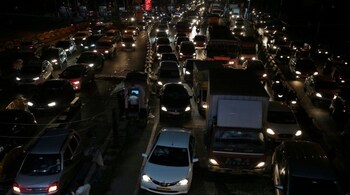
Amid rise in the coronavirus cases, the Delhi government has taken action against 4,434 people on Monday for not wearing masks in public or work places, according to official data.
The data stated that 4,434 people were challaned for violation of masks, 107 for not maintaining social distancing, 17 people for spitting in public places and two for consumption of liquor/pan/gutkha/tobacco etc., in public places in its 11 districts.
The highest violation for mask was recorded in southeast district 780 followed by east 730, north 583 and southwest 559. The lowest was recorded in New Delhi district 156, it said.
Enforcement teams of Revenue Department have formed flying squads to take action against big gatherings, and violations of social-distancing norms at restaurants, hotels, markets and other such places.
Lt Governor Anil Baijal directed the police commissioner and divisional commissioner (revenue) to strictly ensure compliance with Covid-appropriate behaviour in line with the latest guidelines of the Delhi Disaster Management Authority (DDMA), officials had said.
The intervention came in the wake of reports on overcrowding at the city’s marketplaces. Police officers and field functionaries have been directed to immediately ensure strict enforcement of the DDMA order, they had said.
Discover the latest Business News, Sensex, and Nifty updates. Obtain Personal Finance insights, tax queries, and expert opinions on Moneycontrol or download the Moneycontrol App to stay updated!





