

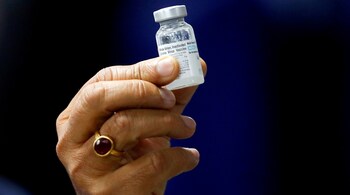
Ocugen Inc, the US partner for Bharat Biotech's COVID-19 vaccine has announced the payment of USD 15 million upfront to the Indian drug maker for extending the vaccine rights to Canada.
Ocugen in a regulatory filing said it has agreed to pay another USD 10 million to Bharat Biotech within a month from the commercial launch of Covaxin in the North American country.
Bharat Biotech on June 3 said it has agreed to expand the agreement with Ocugen Inc to commercialise the jab in Canada also. The Indian biotech company and Ocugen Inc have entered into a definitive agreement to co-develop, supply, and commercialise Covaxin for the US market.
"The Amendment is effective as of May 29, 2021. In consideration of the expansion, pursuant to the Amendment, the Company paid to Bharat (Bharat Biotech) a non-refundable, upfront payment of USD 15 million immediately upon execution of the Amendment. The company further agreed to pay to Bharat a milestone payment of USD 10 million within 30 days of the first commercial sale of Covaxin in Canada," Ocugen said on Monday.
According to Shankar Musunuri, Co-founder of Ocugen, the company which is working towards the submission of the emergency use application in the US, will simultaneously seek authorisation under interim order for emergency use in Canada.
On profit sharing agreement, Bharat Biotech had said similar to the US arrangement, Ocugen will retain 45 per cent of the profit from sales of Covaxin in Canada. Meanwhile, Suchitra Ella, Joint MD of Bharat Biotech said regulatory approvals for Covaxin is in over 60 countries including the US, Brazil and Hungary while Emergency Use Authorisation has been obtained in 13 nations.
"Application for EUL has been submitted to WHO-Geneva & regulatory approvals are expected by July-Sept 2021," she said in a statement on twitter.
Discover the latest Business News, Sensex, and Nifty updates. Obtain Personal Finance insights, tax queries, and expert opinions on Moneycontrol or download the Moneycontrol App to stay updated!





