

Haryana government has extended the COVID-19 curbs till June 21, but has announced wider relaxations to allow economic activities to gain pace. The timings of shops, restaurants and bars have been extended, as per the revised guidelines.
While the 'Mahamari Alert-Surakshit Haryana' campaign has been extended by at least another week, the government decided to ease the norms after considering the dwindling positivity rate and active caseload.
The odd-even regulation system for shops has been scrapped by the government. Unlike the previous order which allowed the odd and even-numbered shops to remain open on odd and even numbered dates, the new guidelines allows all shops to remain open on all days.
Shops, with effect from June 14, would be allowed to operate daily from 9 am to 8 pm, the order stated. "Malls are allowed to open from 10 am to 8 pm," it further added. Earlier, shops and malls were allowed to operate only till 6 pm.
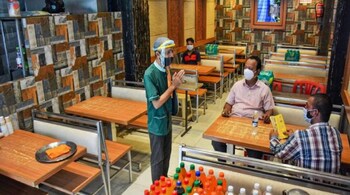
The government has decided to extend the timings for restaurants as well. Instead of 8 pm, the in-dining services would be permitted till 10 pm.
"Restaurants and bars (including in hotels and in malls) are allowed to open from 10:00 am to 10:00 pm with 50 percent of the seating capacity and adopting requisite social distancing norms, regular sanitisation and Covid appropriate behavioural norms," the order said.
Also Read | Delhi unlock: COVID curbs to be eased from June 14: What will open and what won't
The 50 percent attendance cap on private offices, along with the restrictions on religious places, weddings and other gatherings will continue to remain. All colleges, schools and educational institutions will remain shut till further orders.
Haryana, which witnessed a spurt in cases with the onset of second wave, has been reporting a decline in new infections for over a month. As per the last update issued by the health department on June 13, the state reported 339 new cases - the lowest single day count in the past three months. In the corresponding period of past 24 hours, 43 deaths were recorded. The state's active caseload dipped to 4,661.
Discover the latest Business News, Sensex, and Nifty updates. Obtain Personal Finance insights, tax queries, and expert opinions on Moneycontrol or download the Moneycontrol App to stay updated!





