

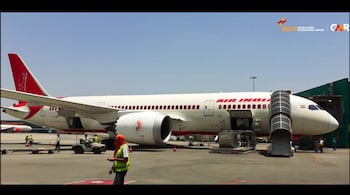
A total of 169 Indians will be brought back to Kolkata from Dhaka in an Air India flight on Monday under the government's mega evacuation mission, official sources said.
West Bengal Minister Partha Chatterjee last week accused the Centre of discrimination, wondering why no repatriation flight has been planned to evacuate people from the state who are stranded abroad.
External Affairs Ministry Spokesperson Anurag Srivastava rejected the charges.
The government is bringing back over 32,000 stranded Indians from 31 countries under the second phase of the mega evacuation mission from May 16 to 22.
The government launched the 'Vande Bharat Mission' on May 7 to evacuate Indians stranded in various countries due to coronavirus-related restrictions.
Under the phase one of the mission, the government has evacuated over 13,000 Indians.
The sources said the passengers on the first flight to Kolkata from Dhaka include 73 students, 16 elderly people, 45 stranded tourists, 16 people having medical emergencies, and one pregnant woman.
"Since a large number of residents from West Bengal are in Bangladesh, special efforts were undertaken by the High Commission of India in Dhaka to identify those who have compelling reasons to return," said a source.
The people returning to Kolkata in the first flight were staying in 18 different districts of Bangladesh, sources said.
In West Bengal, they will have to undergo mandatory quarantine period following which they will travel to their homes spread across more than 20 districts, they said.
Discover the latest Business News, Sensex, and Nifty updates. Obtain Personal Finance insights, tax queries, and expert opinions on Moneycontrol or download the Moneycontrol App to stay updated!





