

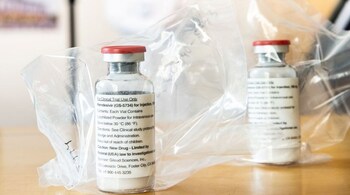
Amid a shortage of Remdesivir, the Supreme Court on April 30 asked whether the Centre has considered invoking section 92 of the Patents Act to boost the availability of COVID-19 medicines.
While hearing a suo-motu case on India's COVID-19 crisis, three-judge Bench of Justices DY Chandrachud, L Nageswara Rao and Ravindra Bhat questioned if the government plans to issue compulsory licences so that drugs can be manufactured while royalties are sorted.
Track this LIVE blog for latest update on coronavirus pandemic
Bangladesh has developed a generic drug for Remdesivir and is exporting the same to other countries, it noted.
The apex court also suggested that India can obtain a licence from Bangladesh to produce a generic version of the drug locally.
"Compulsory licences can be granted with a sunset clause which shows that such licences will be over once the pandemic is over. Doha Declaration of TRIPS show that member states can take such steps to protect the right of public health," Justice Chandrachud said, reported Bar & Bench.
It further asked why the bench should not issue directions under Section 100 and Section 92 of the Patents Act to enable generics to manufacture COVID-19 medicine without the fear of legal action to overcome the shortage.
Read: Supreme Court questions dual COVID-19 vaccine pricing for Centre, states
The court also said that there should be no clampdown on citizens seeking help on the presumption that they are raising false grievances on the internet.
"There should be free flow of information, we should hear voices of citizens," said SC, and asked the Centre, states and all DGPs not to take any action against anyone posting a shortage of oxygen, beds or doctors as spreading a rumour.
Track this LIVE blog for latest updates on coronavirus pandemic
Discover the latest Business News, Sensex, and Nifty updates. Obtain Personal Finance insights, tax queries, and expert opinions on Moneycontrol or download the Moneycontrol App to stay updated!





